
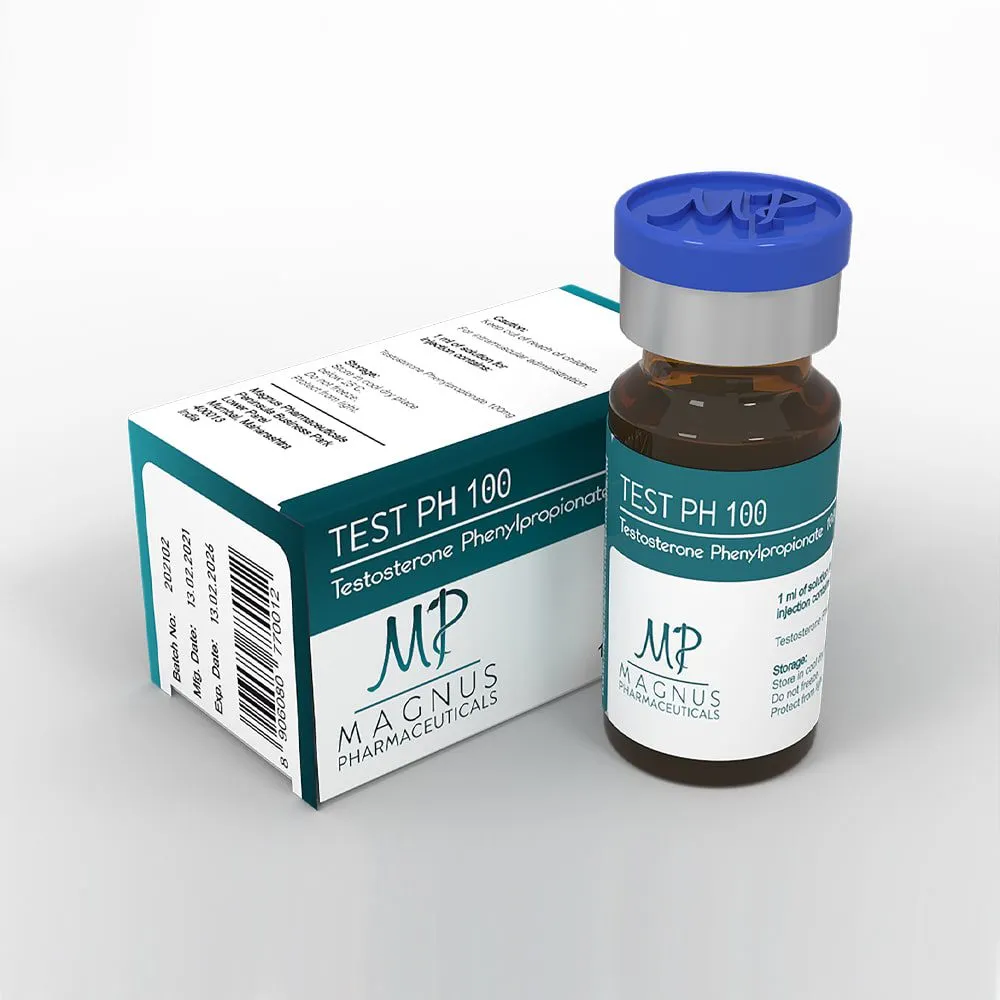
Anabolic Steroid (Injectable)
Testosterone Phenylpropionate
Testosterone Phenylpropionate is a short-ester injectable anabolic steroid derived from testosterone. In research and athletic contexts, it is valued for its rapid onset of action and quick clearance compared to longer esters like enanthate or cypionate. Commonly cited in community protocols, TP allows for precise dosing adjustments and faster feedback on physiological responses. Brands such as Vollmar TP and BioPharma TP are frequently referenced in European research markets. This compound is typically used by advanced users who require flexible cycle structures or wish to minimize the duration of elevated serum levels. As with all exogenous hormones, Testosterone Phenylpropionate requires careful monitoring of blood markers and adherence to safety protocols to mitigate potential health risks associated with androgenic activity.
Drug Class
Anabolic Steroid (Injectable)
All Products
2 products
Legal status
Research compound (not FDA approved)
All Products — Testosterone Phenylpropionate
Oral Steroids
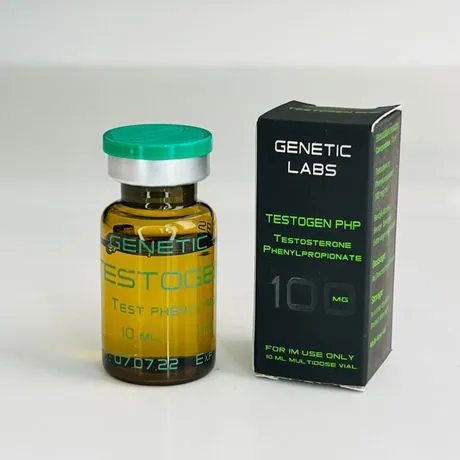
Testogen PHP 10ml/100mg Testosterone Phenylpropionate – Genetic Labs
Genetic Labs
€49.50 €55.00
Save €6.00
How Testosterone Phenylpropionate Works
Testosterone Phenylpropionate acts as a direct analogue of natural testosterone. Once injected, the ester bond is cleaved, releasing free testosterone into the bloodstream. This active hormone binds to androgen receptors in muscle and bone tissue, stimulating protein synthesis and nitrogen retention. The phenylpropionate ester is relatively short, resulting in a half-life of approximately 24 to 48 hours. This pharmacokinetic profile means serum levels can fluctuate significantly between doses if injection frequency is not maintained. Users report that this rapid action allows for quicker detection of side effects or positive responses. Because it does not require conversion to other steroids, its effects are primarily androgenic and anabolic. The short half-life also means that levels drop quickly after the last dose, which influences the necessity of post-cycle therapy. Understanding this mechanism is crucial for managing dosage frequency to maintain stable plasma concentrations without excessive peaks or troughs.
Typical Research Applications
In research settings, Testosterone Phenylpropionate is often utilized for its versatility in cycle design. It is frequently employed in cutting phases where a leaner, harder physique is the objective, as its short ester helps reduce water retention compared to longer esters. Athletes also use it for recomp cycles, aiming to preserve muscle mass while losing fat. Due to its rapid onset, it is sometimes used as a base compound in beginner stacks to gauge individual androgenic sensitivity. However, because it requires frequent injections, it is less convenient for long-term maintenance compared to cypionate or enanthate. TP is also commonly found in post-cycle therapy (PCT) protocols, where a short-acting testosterone ester helps restore natural hormone production more quickly. Users report that it pairs well with other short-ester compounds for consistent energy and strength output. The compound is less common in pure bulking phases due to the high injection frequency required to maintain optimal levels throughout a long cycle.
Dosage Ranges and Cycle Length
Standard research protocols for Testosterone Phenylpropionate typically range from 200 mg to 400 mg per week. Due to its short half-life, this dose is usually split into two or three injections per week to maintain stable blood levels. For example, a 300 mg/week dose might be administered as 100 mg every other day. Intermediate users often start at the lower end of this range to assess tolerance. Cycle lengths vary but typically last between 6 and 12 weeks. Longer cycles are possible but require strict adherence to injection schedules to avoid significant hormone fluctuations. Some researchers use TP for shorter 4-6 week cycles, particularly when combined with other compounds. It is important to note that higher doses do not necessarily yield proportionally greater results and may increase the risk of side effects. Consistency in dosing timing is critical for this ester. Users should monitor their response and adjust frequency if necessary, keeping in mind that missed doses can lead to rapid drops in serum testosterone levels.
Side Effects and Safety Considerations
Like all exogenous testosterone, Testosterone Phenylpropionate carries a specific side effect profile. Common issues include acne, oily skin, and potential hair loss in genetically predisposed individuals. The rapid increase in androgenic activity can also lead to mood changes or aggression. Cardiovascular risks include changes in lipid profiles, specifically a decrease in HDL cholesterol. Users must monitor blood pressure and hematocrit levels, as erythrocytosis (thickened blood) is a known risk. Because TP suppresses natural testosterone production, a proper post-cycle therapy (PCT) is essential to restore endogenous function. PCT typically involves selective estrogen receptor modulators (SERMs) like tamoxifen or clomiphene. Regular blood work is mandatory to track hormone levels, liver enzymes, and lipid markers. Age 21+ is a standard minimum for research use due to the impact on long-term hormonal health. Hepatotoxicity is not a primary concern with injectable testosterone, but overall liver health should still be monitored as part of comprehensive safety protocols.
Mechanism of action
Testosterone Phenylpropionate acts as a direct androgen receptor agonist, binding to nuclear receptors in muscle tissue to stimulate protein synthesis and nitrogen retention, with a short half-life necessitating frequent administration for stable plasma levels.
Questions & answers
How often should I inject Testosterone Phenylpropionate?
Due to its short half-life of roughly 24-48 hours, users typically inject Testosterone Phenylpropionate every other day or three times per week. This frequency helps maintain stable serum levels and prevents the significant peaks and troughs associated with less frequent dosing schedules.
Is Testosterone Phenylpropionate suitable for beginner research?
While some beginners use it, the high injection frequency makes it less convenient than longer esters like cypionate or enanthate. However, its rapid onset allows for quick assessment of individual response. Beginners should start at lower doses and strictly adhere to the injection schedule to avoid hormonal fluctuations.
What is the standard weekly dosage for TP?
Common research protocols range from 200 mg to 400 mg per week. A typical starting point for intermediate users is 300 mg/week, split into two or three injections. Doses above 400 mg/week are generally reserved for advanced users and carry higher side effect risks.
Does Testosterone Phenylpropionate require PCT?
Yes, any exogenous testosterone use suppresses natural production. A post-cycle therapy (PCT) protocol using SERMs like tamoxifen or clomiphene is standard to restore endogenous testosterone levels. The short half-life of TP means PCT can often begin sooner after the last dose compared to longer esters.
How does TP compare to Testosterone Propionate?
Testosterone Phenylpropionate has a slightly longer half-life than Testosterone Propionate, allowing for slightly less frequent injections. However, both are short-ester testesters requiring regular dosing. TP is often preferred over propionate for a balance between stability and injection frequency in research cycles.
Related anabolic steroid (injectable)s
Boldenone
Boldenone is the active compound in 1 product in the SynthesisGear catalogue (also known a…
View →Boldenone undecylenate
Boldenone undecylenate is the active compound in 3 products in the SynthesisGear catalogue…
View →Butyrate
Butyrate is the active compound in 1 product in the SynthesisGear catalogue (also known as…
View →Drostanolone enanthate
Drostanolone enanthate is the active compound in 4 products in the SynthesisGear catalogue…
View →