
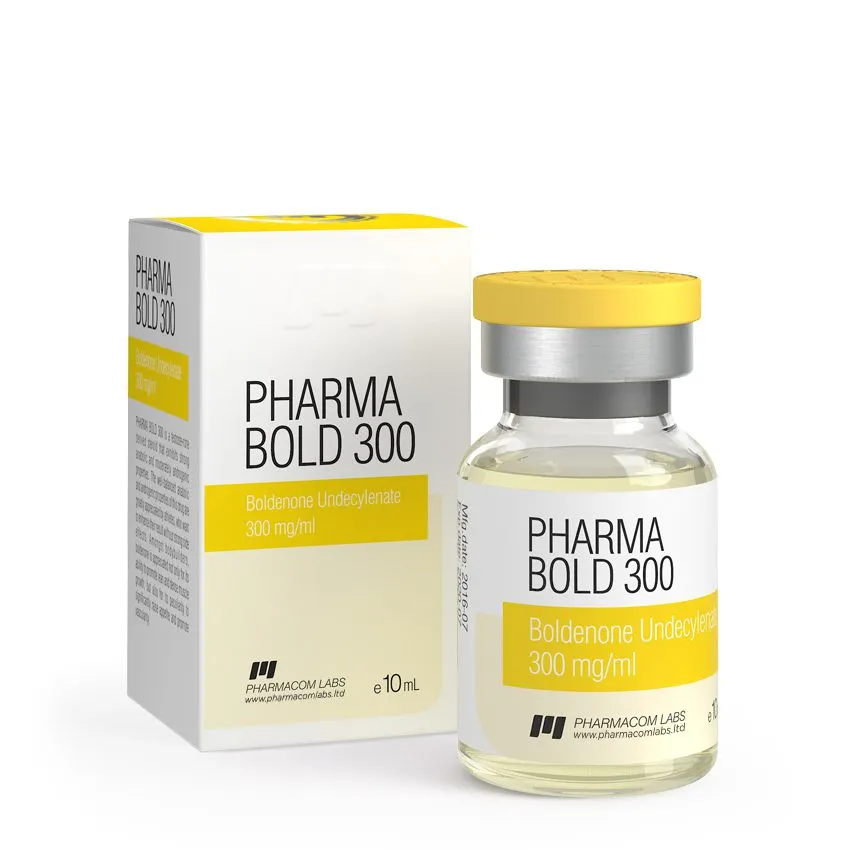
Anabolic Steroid (Injectable)
Boldenone
Boldenone, widely recognized in athletic research circles as Equipoise, is a 19-nortestosterone derivative administered via intramuscular injection. Classified as an Anabolic Steroid (Injectable), it is distinct from oral compounds due to its long-acting undecylenate ester. Researchers and strength athletes typically utilize this compound for its unique balance of anabolic drive and erythropoietic activity. Unlike high-aromatizing esters, Boldenone offers a stable, linear release profile that supports sustained training volume. This compound is frequently studied for its potential to enhance red blood cell count, thereby improving oxygen delivery. Understanding its pharmacokinetics is essential for anyone designing a research protocol involving Boldenone Undecylenate, as its half-life dictates specific administration schedules and post-cycle planning.
Drug Class
Anabolic Steroid (Injectable)
All Products
1 products
Legal status
Prescription-only medicine (Rx)
All Products — Boldenone
How Boldenone Works
Boldenone functions primarily by binding to androgen receptors in skeletal muscle tissue, stimulating protein synthesis and nitrogen retention. As a 19-nor derivative, it exhibits a lower affinity for the aromatase enzyme compared to testosterone, resulting in minimal conversion to estrogen. This pharmacological trait is significant for researchers aiming to avoid water retention while maintaining anabolic effects. Additionally, Boldenone interacts with erythropoietin pathways, stimulating the bone marrow to produce red blood cells. This increase in erythrocyte count enhances the blood's oxygen-carrying capacity, which may contribute to improved endurance and recovery times. The compound is not 17-alpha-alkylated, meaning it does not impose significant hepatotoxic stress on the liver, a common concern with oral steroids. However, its impact on blood viscosity requires careful monitoring. Users report that the effects are gradual, typically becoming noticeable after two to three weeks of consistent administration due to the long half-life of the undecylenate ester.
Typical Research Applications
In performance research, Boldenone is predominantly categorized as a 'bulking' agent, though its mild nature allows for versatility. It is rarely used for cutting due to the potential for mild water retention associated with increased red blood cell volume. Instead, athletes typically employ it in off-season cycles to drive lean mass accretion without excessive estrogenic side effects. The compound is often stacked with testosterone to maintain stable hormone levels, as Boldenone alone may not provide sufficient androgenic coverage for long cycles. Some researchers also explore its utility in recomp phases, leveraging its ability to support training intensity through improved oxygen delivery. The slow onset of action means it is not suitable for short-term performance enhancement but rather for sustained physiological adaptation. Community protocols often highlight its synergy with other non-aromatizing compounds for those sensitive to estrogen. It is important to note that individual responses vary, and the compound's efficacy is highly dependent on nutritional support and training stimulus.
Dosage Ranges + Cycle Length
Standard research protocols for Boldenone Undecylenate typically range from 200 mg to 400 mg per week. Intermediate users often start at the lower end, around 200 mg/week, to assess tolerance and response. Advanced researchers may increase this to 300-400 mg/week, though doses exceeding 400 mg/week do not significantly enhance anabolic effects and increase the risk of hematocrit elevation. Given the long half-life of approximately 14 days, the compound is usually administered once or twice weekly. A typical cycle length is 8 to 12 weeks. Due to the slow onset and offset, the full effects are not realized until the third or fourth week. Therefore, cycles shorter than 8 weeks are generally considered inefficient. When stacking with other compounds, the total weekly volume should be monitored to avoid excessive androgenic load. It is crucial to maintain consistent dosing intervals to avoid fluctuations in blood levels, which can impact training consistency and recovery.
Side Effects + Safety Considerations
While Boldenone is considered mild, it carries specific risks that require monitoring. The most notable side effect is polycythemia, an increase in red blood cell mass that can lead to elevated blood viscosity and hypertension. Regular blood work, including a complete blood count (CBC), is essential to monitor hematocrit levels. If hematocrit rises above 54%, researchers are advised to consider blood donation or reduce dosage. Other potential side effects include mild androgenic effects such as acne or hair loss in predisposed individuals, though these are less common than with 17-alpha-alkylated compounds. Estrogenic side effects are minimal but possible if the compound is stacked with high-aromatizing agents. Post-Cycle Therapy (PCT) is mandatory after any cycle involving Boldenone to restore natural testosterone production. A standard PCT protocol using SERMs like Tamoxifen or Clomiphene is recommended for 4-6 weeks. Users should be at least 21 years old and have no pre-existing cardiovascular or hematological conditions. Consultation with a healthcare professional is advised before beginning any research protocol.
Mechanism of action
Boldenone binds to androgen receptors to stimulate protein synthesis while simultaneously enhancing erythropoiesis, leading to increased red blood cell production and improved oxygen delivery to tissues.
Questions & answers
Does Boldenone convert to estrogen?
Boldenone is a 19-nor derivative and has very low affinity for aromatase. It converts to estrogen at a much lower rate than testosterone, resulting in minimal water retention and estrogenic side effects for most users.
What is the typical cycle length for Equipoise?
Most research protocols recommend a cycle length of 8 to 12 weeks. Shorter cycles are inefficient due to the long half-life of the undecylenate ester, which takes several weeks to reach steady-state blood levels.
Is Boldenone safe for the liver?
Yes, Boldenone is not 17-alpha-alkylated and is administered via injection. It does not impose significant hepatotoxic stress on the liver, unlike oral anabolic steroids. However, it does affect blood viscosity, which requires monitoring.
Can Boldenone be used for cutting?
It is generally not recommended for cutting due to potential mild water retention from increased red blood cell volume. It is better suited for bulking or recomp phases where lean mass accretion is the primary goal.
What blood work is needed during a Boldenone cycle?
A Complete Blood Count (CBC) is essential to monitor hematocrit and red blood cell levels. Lipid panels and liver function tests are also recommended to ensure overall metabolic health remains stable during the research period.
Related anabolic steroid (injectable)s
Boldenone undecylenate
Boldenone undecylenate is the active compound in 3 products in the SynthesisGear catalogue…
View →Butyrate
Butyrate is the active compound in 1 product in the SynthesisGear catalogue (also known as…
View →Drostanolone enanthate
Drostanolone enanthate is the active compound in 4 products in the SynthesisGear catalogue…
View →Drostanolone Propionate
Drostanolone Propionate is the active compound in 5 products in the SynthesisGear catalogu…
View →