Genopharm
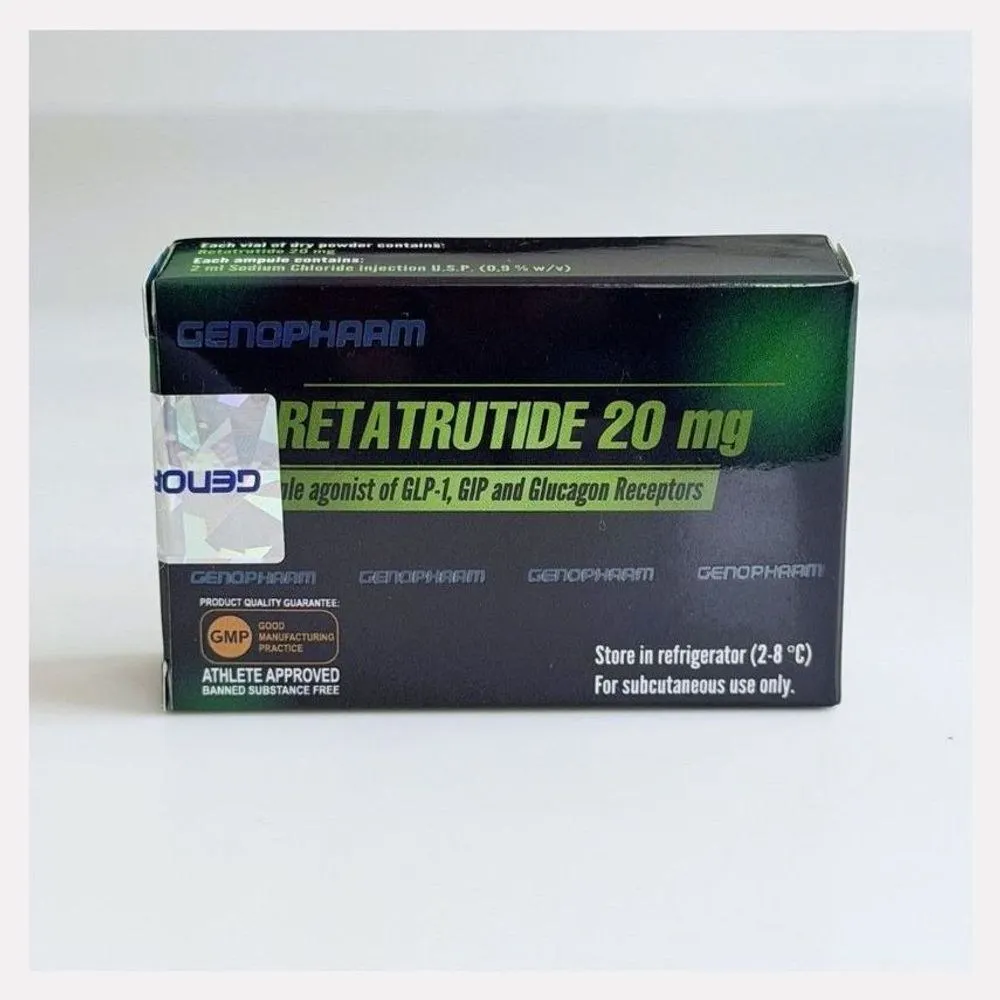
Retatrutide (20 mg) is a synthetic triple agonist targeting GIP, GLP-1, and glucagon receptors. Unlike standard incretins, this research compound aims to combine appetite suppression with increased energy expenditure. It is designed for individuals interested in advanced metabolic research and body composition optimization. The product is supplied as a lyophilized powder requiring reconstitution. Users typically seek this compound for its potential to address stubborn fat stores and regulate satiety signals more aggressively than single-receptor agents. As with all research compounds, proper handling and understanding of the pharmacological profile are essential before initiation.
Mechanism of Action
Retatrutide functions as a triple agonist, simultaneously activating GIP, GLP-1, and glucagon receptors. This multi-target approach distinguishes it from standard peptides that typically target only one or two pathways. By engaging the glucagon receptor, Retatrutide may increase hepatic glucose production and fat oxidation, potentially raising basal metabolic rate. The GLP-1 component slows gastric emptying and enhances insulin secretion, while the GIP component contributes to insulinotropic effects and lipid metabolism. Users report that this combined action results in a more pronounced sense of fullness and sustained energy levels compared to single-target agents. The injectable form allows for precise dosing and consistent plasma levels, which is critical for managing gastrointestinal side effects. Research into this class of compounds focuses on the additive benefits of tri-agonism in metabolic health and body composition.
Key Reported Benefits
Users and researchers highlight several potential advantages of Retatrutide. The primary benefit is significant appetite suppression, which may help reduce caloric intake without strict mental effort. Additionally, the glucagon-mediated pathway suggests a potential increase in energy expenditure, meaning the body may burn more calories at rest. This dual action on intake and output is a key differentiator from traditional fat-burning compounds. Some users report improved satiety signals, leading to reduced snacking and better meal adherence. The long-acting nature of the peptide allows for flexible dosing schedules, typically once or twice weekly. While individual responses vary, the consensus in community protocols is that Retatrutide may offer a more comprehensive metabolic effect than GLP-1 analogues alone. It is important to note that these are reported outcomes and not guaranteed results.
- Enhanced satiety and reduced caloric intake
- Potential increase in basal metabolic rate
- Improved insulin sensitivity and glucose regulation
- Flexible dosing schedule with long half-life
Stacking and Pairing
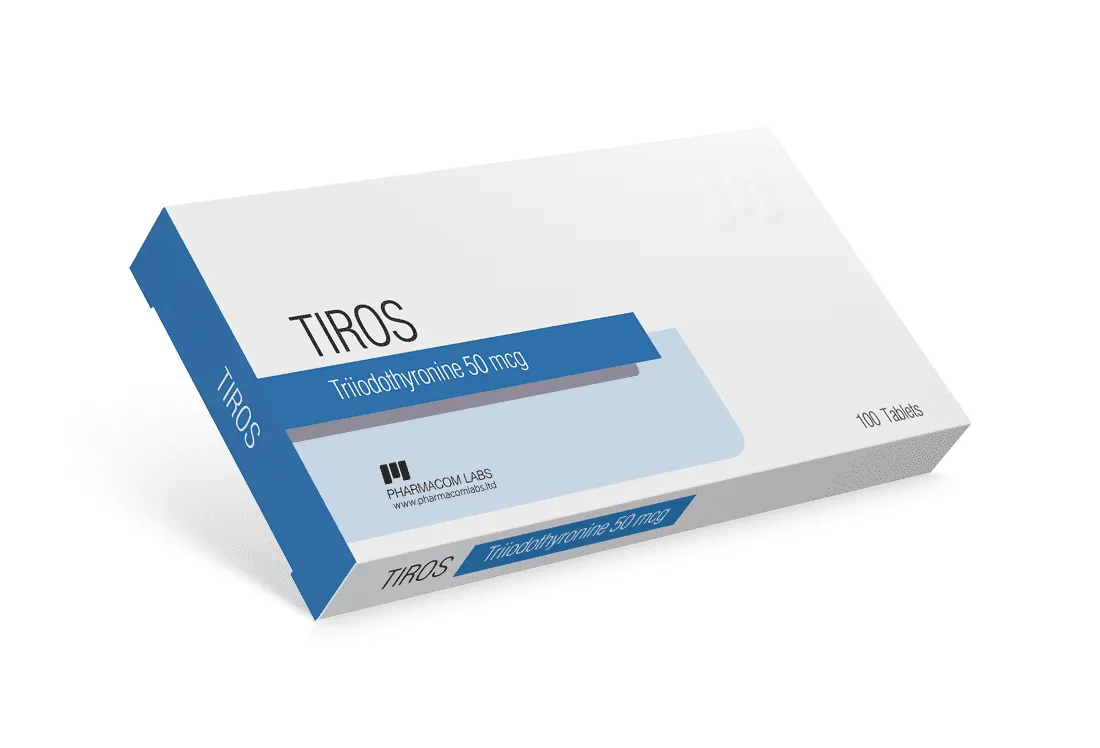
When integrating Retatrutide into a research protocol, users often consider how it interacts with other compounds. It is frequently paired with resistance training to preserve lean mass during caloric deficits. Some protocols include Retatrutide alongside thyroid support agents to further enhance metabolic rate, though this requires careful monitoring. It is generally not stacked with other GLP-1 agonists due to the risk of excessive gastrointestinal distress. For those using anabolic steroids, Retatrutide may help manage the increased appetite often associated with these compounds. However, the interaction between high-dose anabolics and incretin peptides is not fully characterized, so caution is advised. Users typically start with a low dose of Retatrutide to assess tolerance before introducing other variables. Proper hydration and electrolyte balance are crucial when combining multiple metabolic agents.
Safety and Side Effects
Like all peptides, Retatrutide carries potential side effects that users must monitor. Gastrointestinal issues, including nausea, vomiting, and diarrhea, are common, especially during the initial titration phase. These effects often subside as the body adapts to the compound. Users should start with a low dose, such as 1 mg, and gradually increase to minimize discomfort. There is a theoretical risk of pancreatitis, although this is rare in clinical settings; any persistent abdominal pain should prompt immediate cessation of use. Long-term data on Retatrutide is limited, so regular blood work is recommended to monitor liver and kidney function. Individuals with a history of thyroid cancer or medullary thyroid carcinoma should avoid this compound. Always source from reputable suppliers to ensure purity and accurate dosing. Consult with a healthcare professional before beginning any research protocol.
Questions & answers
How is Retatrutide typically dosed?
Users typically start with a low dose of 1 mg per week, increasing by 1 mg every two weeks until a maintenance dose of 8-12 mg/week is reached. Dosing is usually performed once or twice weekly to maintain stable plasma levels.
What are the common side effects?
Common side effects include nausea, vomiting, diarrhea, and constipation. These are generally dose-dependent and often improve with time. Severe abdominal pain or signs of pancreatitis require immediate medical attention and cessation of use.
Can Retatrutide be stacked with steroids?
Some users stack Retatrutide with anabolic steroids to manage appetite, but this combination is not well-studied. Caution is advised due to potential compounded metabolic stress. Start with low doses of both compounds and monitor blood work closely.
How should Retatrutide be stored?
Unreconstituted Retatrutide powder should be stored in a refrigerator at 2-8°C. Once reconstituted with bacteriostatic water, the solution should be kept refrigerated and used within 28 days. Do not freeze the reconstituted solution.