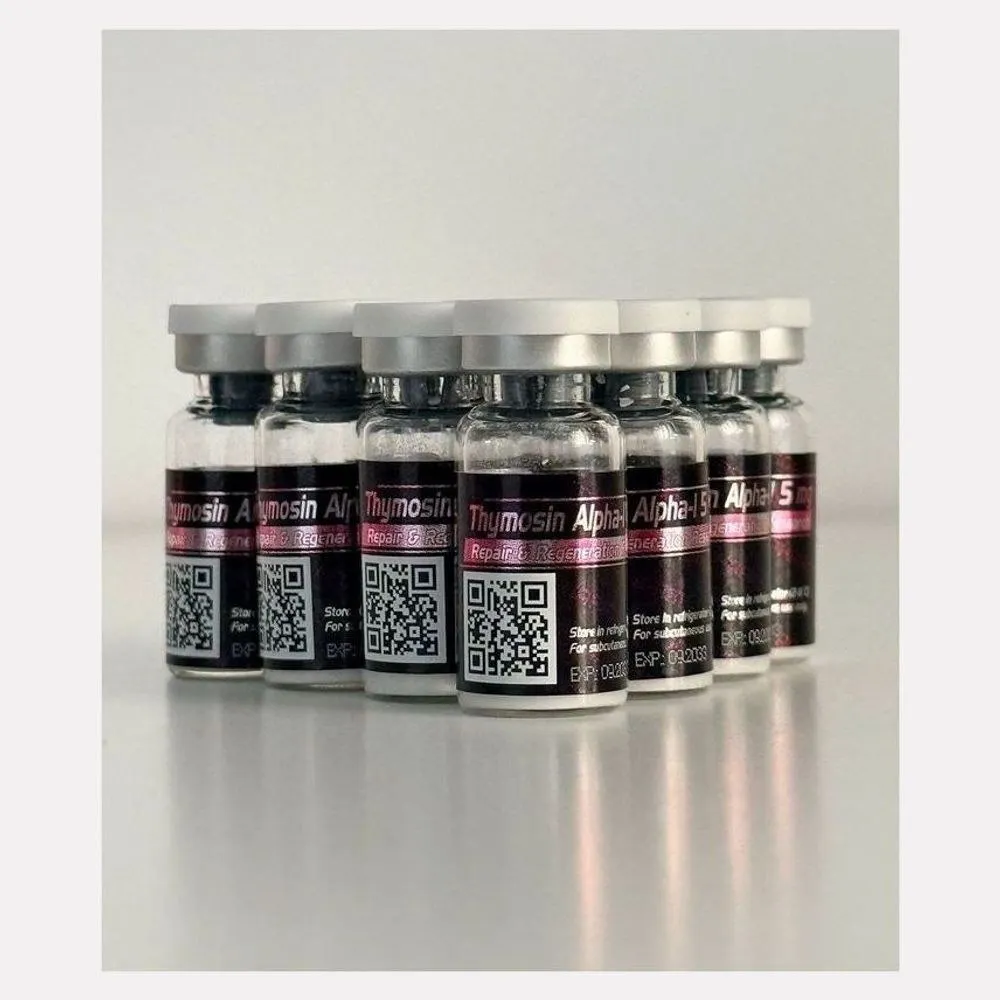
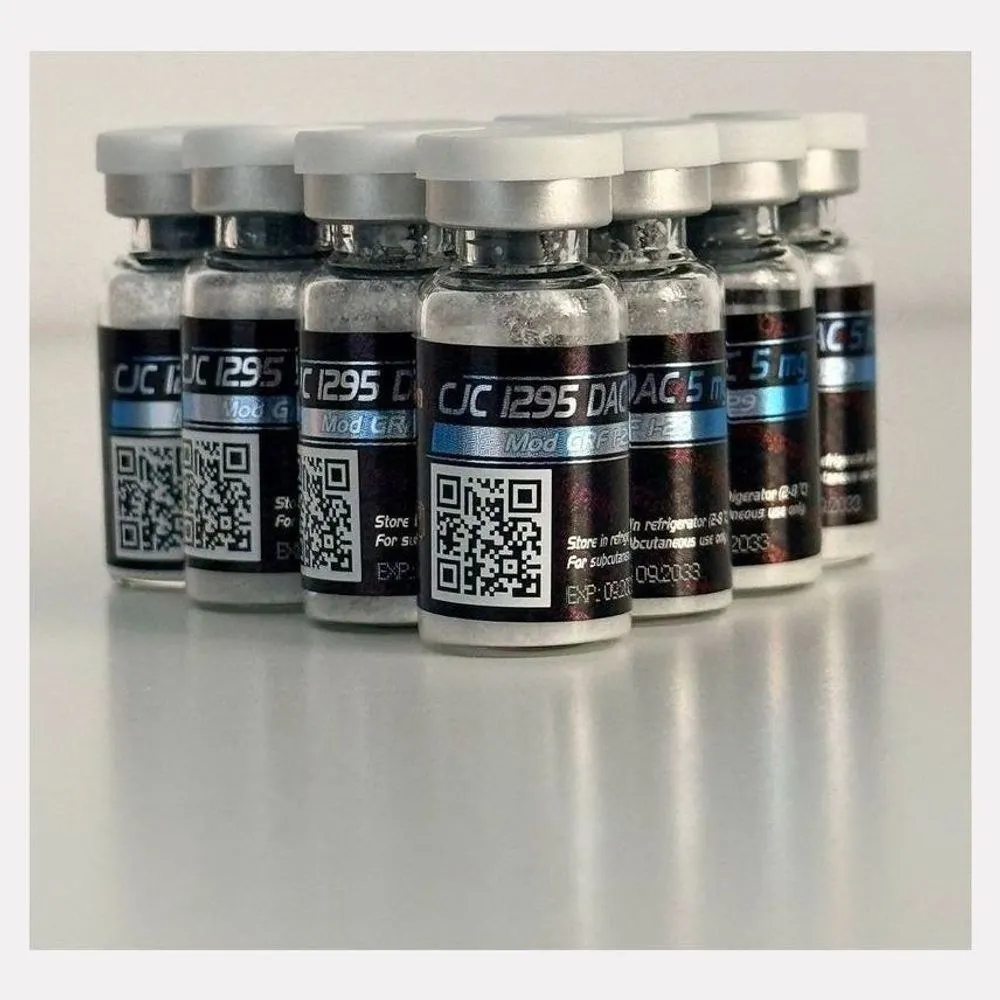
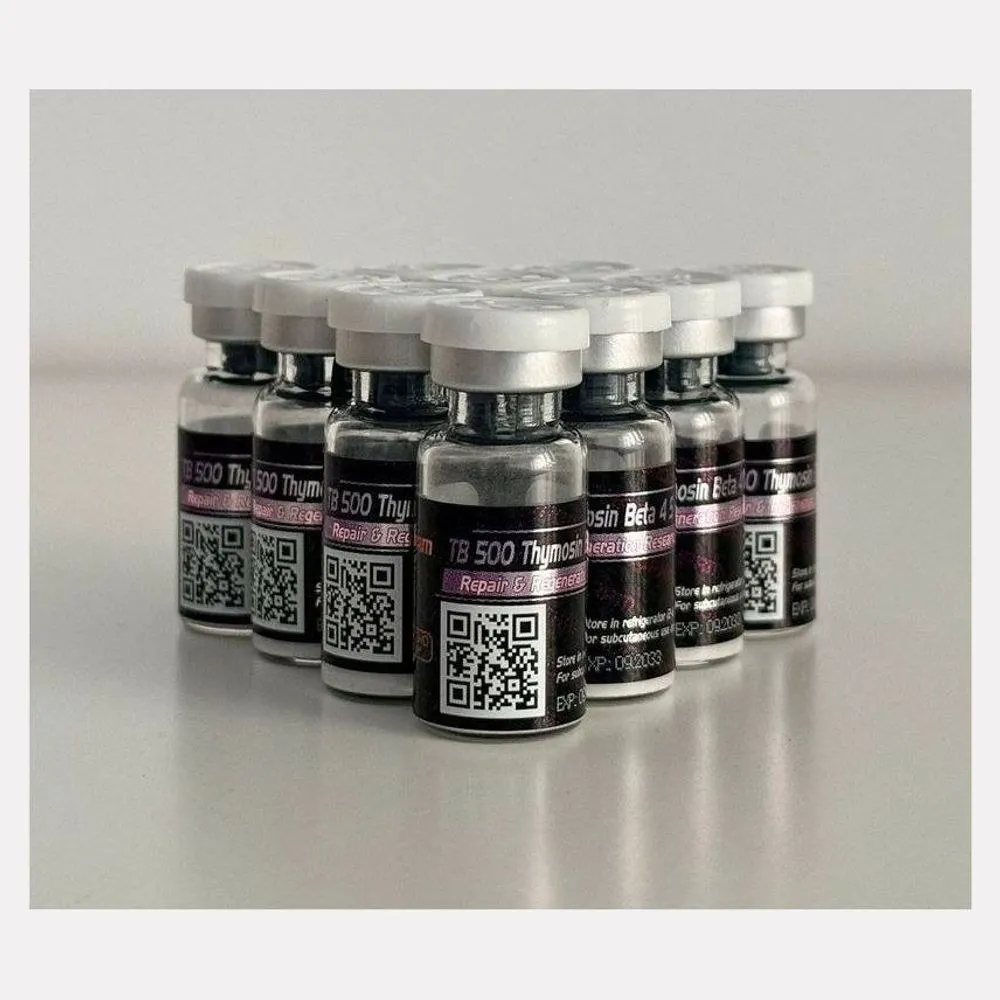
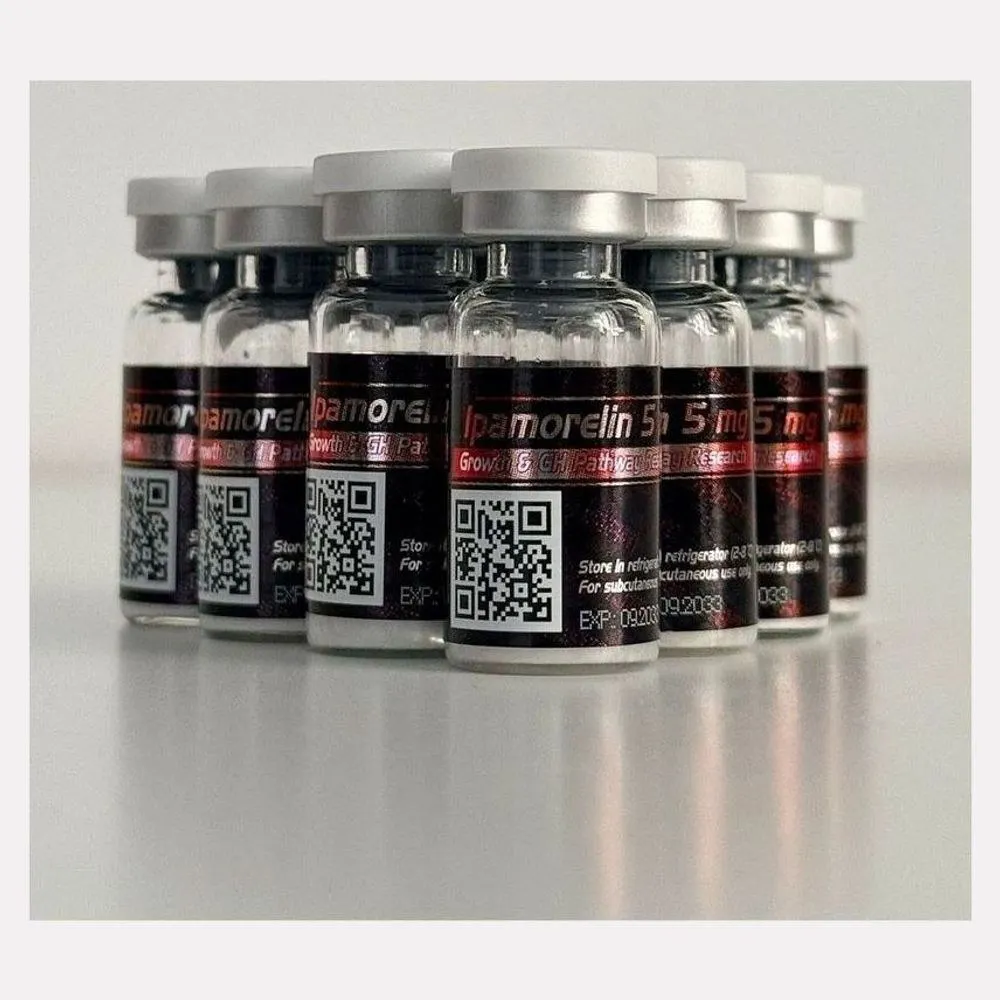
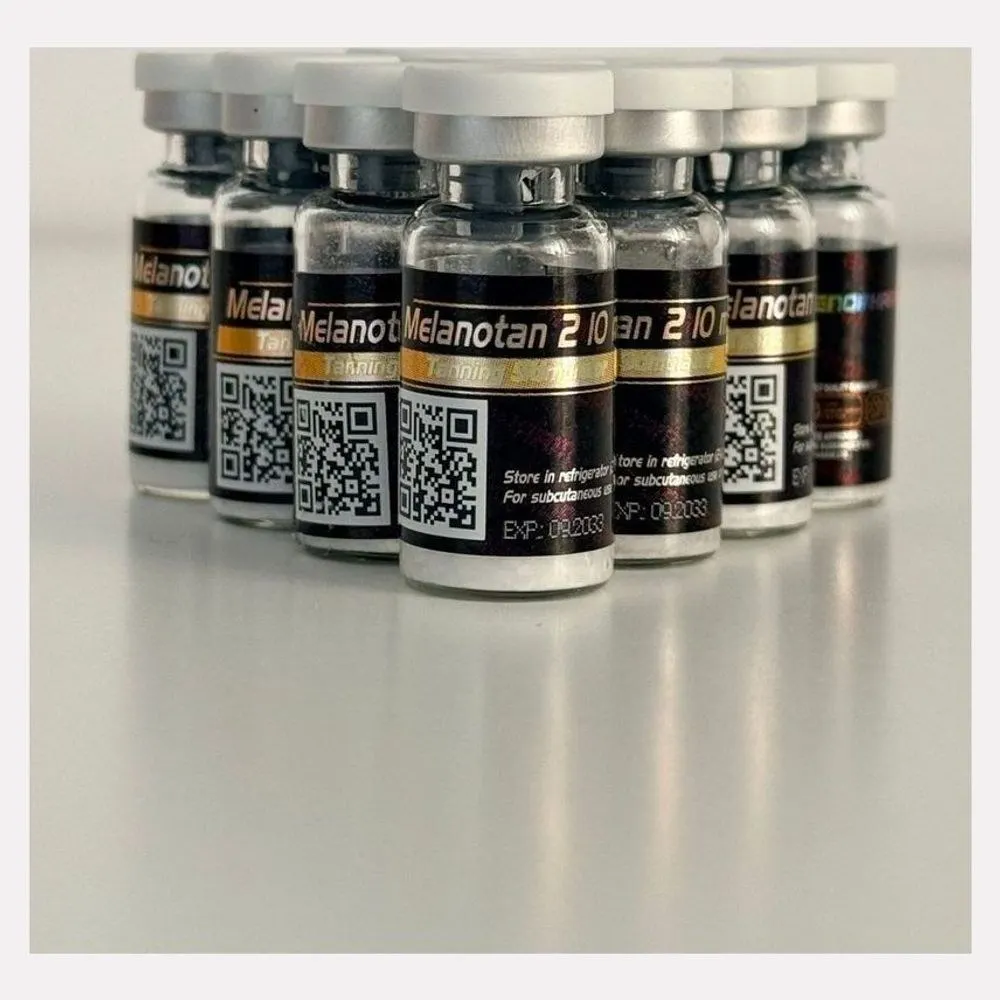
Genopharm CJC-1295 DAC (5 mg) is a modified Growth Hormone-Releasing Hormone (GHRH) peptide designed for research and educational purposes. Unlike standard CJC-1295, this variant includes a Drug Affinity Complex (DAC) that binds to serum albumin, significantly prolonging its half-life from minutes to several days. This modification allows for less frequent dosing schedules, typically once every two to three days, while maintaining steady stimulation of the pituitary gland. The primary goal is to support the natural pulsatile release of Growth Hormone (GH) and subsequent IGF-1 production without the need for exogenous GH injections. It is commonly used by athletes and researchers seeking to optimize recovery, body composition, and metabolic markers through endogenous pathways. Always verify purity and storage conditions, as peptides are sensitive to temperature and light.
Mechanism of Action & Structure
CJC-1295 is a synthetic analog of GHRH-1-29, a peptide that stimulates the anterior pituitary to release growth hormone. The addition of the DAC (Drug Affinity Complex) creates a high-affinity binding site for albumin in the blood. This interaction shields the peptide from rapid enzymatic degradation, extending its biological activity. Users report that this sustained release mechanism leads to a more consistent elevation in growth hormone and IGF-1 levels compared to non-DAC versions, which require multiple daily injections. The compound does not directly act as a steroid but works by amplifying the body's natural hormonal axis. For research purposes, understanding this pharmacokinetic profile is essential for designing appropriate dosing intervals to maintain therapeutic levels without peaks and troughs that may cause transient side effects.
Reported Benefits in Research
Users in bodybuilding and performance research communities typically report several benefits associated with CJC-1295 DAC usage. The most commonly cited advantage is improved recovery time after intense training sessions, attributed to enhanced tissue repair mechanisms driven by GH. Additionally, many users note improvements in sleep quality, particularly deeper REM sleep phases, which are critical for hormonal balance. There are also reports of favorable changes in body composition, specifically a reduction in visceral fat and an increase in lean mass, though these outcomes are often correlated with the use of other compounds in a stack. Because the compound promotes endogenous GH release, it may help maintain natural hormonal function better than exogenous GH injections, which can suppress the pituitary axis. However, individual responses vary based on age, baseline hormone levels, and overall health status.
- Enhanced recovery and reduced muscle soreness
- Improved sleep architecture and depth
- Support for lean mass retention
- Potential reduction in subcutaneous fat
- Maintenance of natural pituitary function
Common Stacking Protocols
In many community protocols, CJC-1295 DAC is not used in isolation but is stacked with other peptides to synergize effects. The most common pairing is with Ipamorelin or Motilin. Ipamorelin is a selective ghrelin receptor agonist that stimulates GH release with fewer side effects like increased appetite or blood sugar spikes compared to GHRP-6. By combining a GHRH (CJC-1295) with a GHRP (Ipamorelin), users aim to maximize the amplitude and frequency of GH pulses. Some advanced protocols include SSRIs or other modulators, but this is less common. It is crucial to note that stacking increases the complexity of the protocol and requires careful monitoring of side effects. Users should start with single-agent trials to assess individual tolerance before introducing additional compounds. Always source peptides from reputable vendors to ensure purity and correct concentration.
Safety Profile & Side Effects
While CJC-1295 DAC is generally considered to have a favorable safety profile compared to anabolic steroids, it is not without potential side effects. Commonly reported issues include water retention, particularly in the extremities, which can lead to a temporary increase in weight. Some users experience joint pain or stiffness, which may be related to changes in fluid balance or inflammatory markers. There is also a risk of insulin resistance if the dose is too high or if the user is predisposed to metabolic issues, as GH has anti-insulin effects. Headaches and nausea are less common but have been reported, especially during the initial phase of use. It is imperative to monitor blood glucose levels and lipid profiles during use. Individuals with a history of tumors or diabetes should exercise extreme caution and consult with a medical professional, as GH can potentially stimulate existing growth pathways. This information is for educational purposes only and does not constitute medical advice.
Questions & answers
How often should CJC-1295 DAC be injected?
Due to the extended half-life provided by the DAC, users typically inject CJC-1295 DAC once every two to three days. This schedule is significantly less frequent than non-DAC CJC-1295, which may require daily or twice-daily dosing. The specific interval may be adjusted based on individual response and the rest of the stack.
Can CJC-1295 DAC be used alone or must it be stacked?
It can be used alone, but many users prefer to stack it with Ipamorelin for synergistic GH release. Using it alone is safer for beginners to assess tolerance. Stacking requires careful dose management to avoid excessive GH spikes and associated side effects like water retention or insulin resistance.
Does CJC-1295 DAC suppress natural testosterone production?
No, CJC-1295 DAC does not suppress natural testosterone production. It is a peptide that stimulates the growth hormone axis, not the androgen axis. However, it may influence other hormonal pathways, so monitoring overall hormonal health is recommended during use.
What is the shelf life of Genopharm CJC-1295 DAC?
Unmixed, the powder form of CJC-1295 DAC should be stored refrigerated and has a shelf life of 12-24 months. Once mixed with bacteriostatic water, the solution should be used within 30 days and kept refrigerated to maintain stability and prevent bacterial growth.