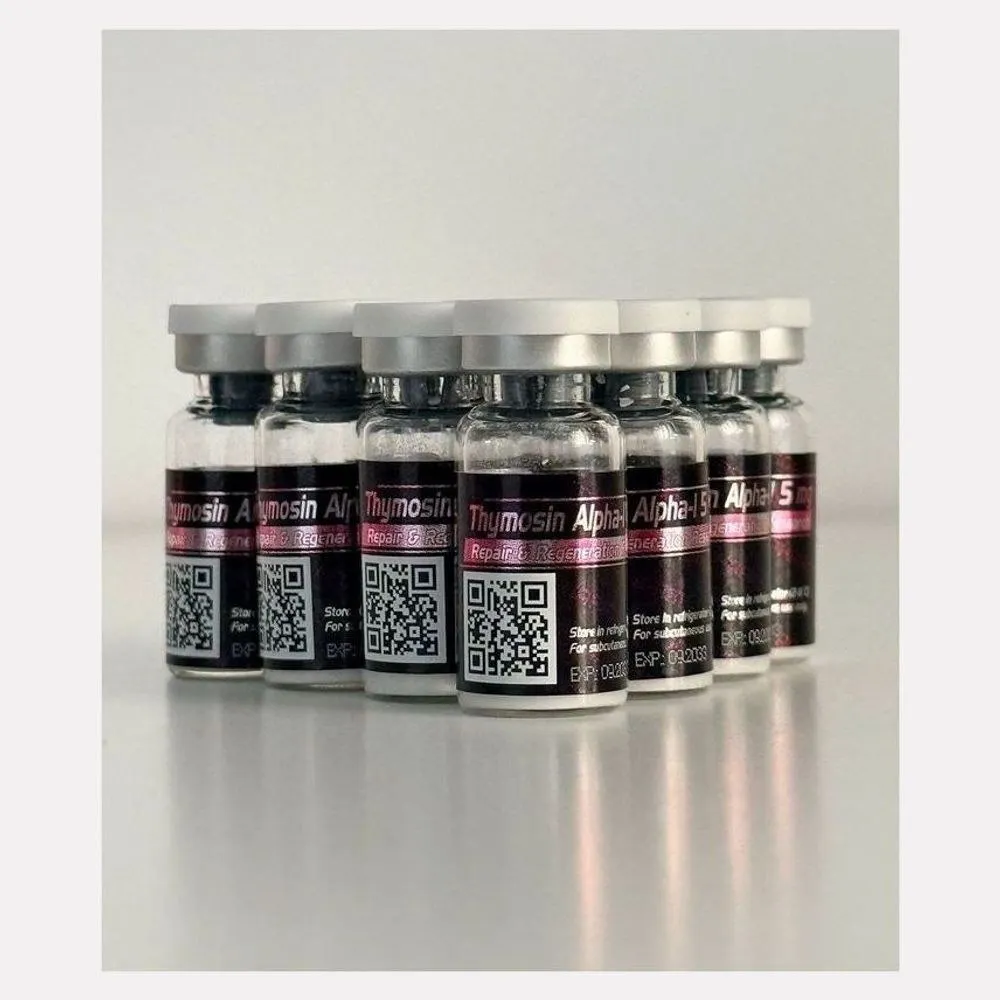
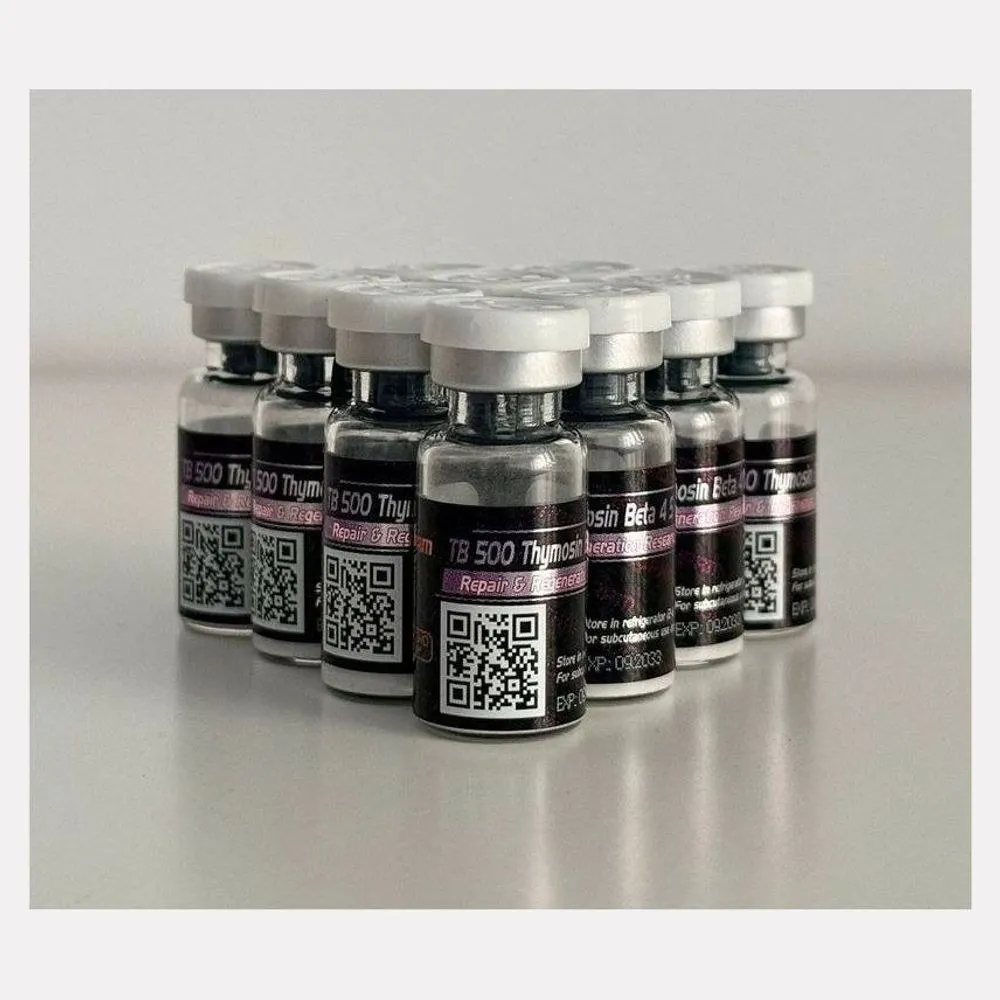
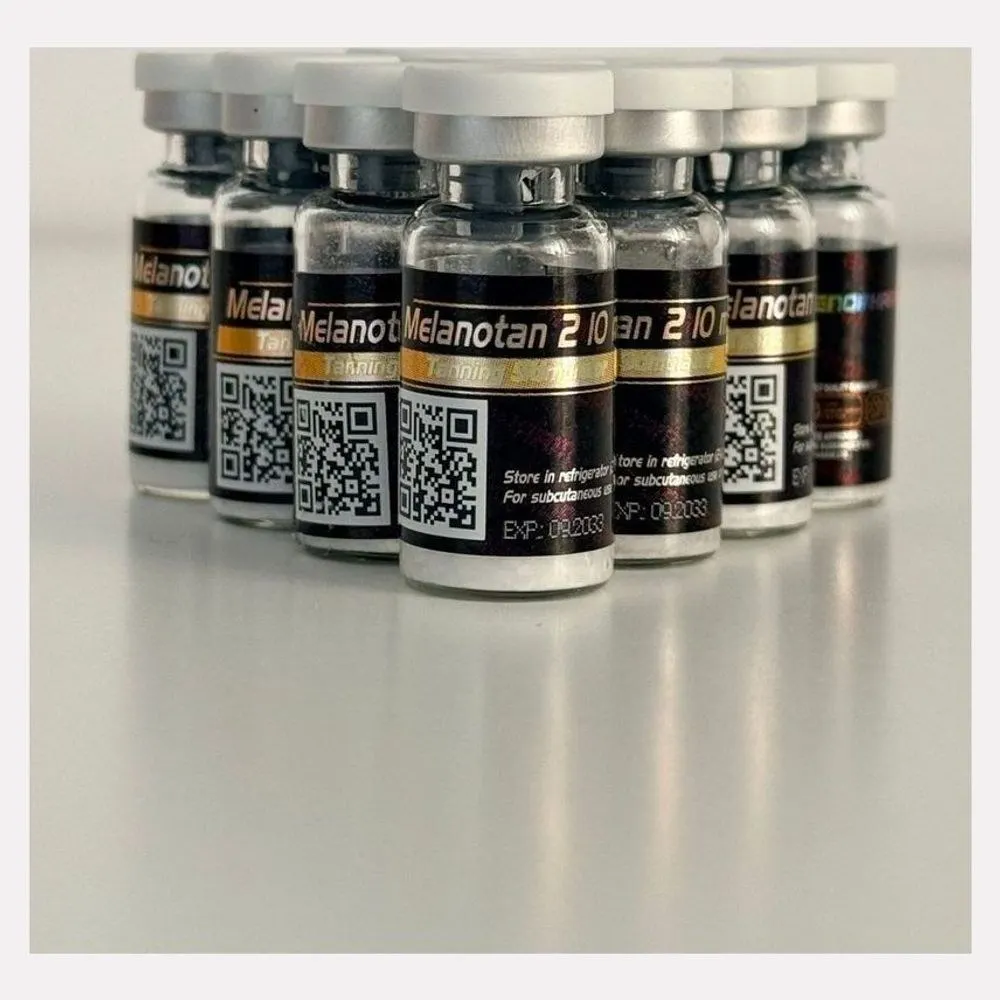
Genopharm TB-500 (5 mg) is a synthetic Thymosin Beta-4 peptide, a key component of the Thymosin fraction alpha-1. While often discussed in the context of growth hormone and performance enhancement, TB-500 is primarily researched for its role in tissue repair, wound healing, and angiogenesis. It is not an anabolic steroid; it does not bind to androgen receptors. Instead, it upregulates actin polymerization, facilitating cell migration and the formation of new blood vessels. Athletes and researchers use this compound to support recovery from musculoskeletal injuries, including tendon, ligament, and muscle tears. The 5 mg lyophilised vial requires reconstitution with bacteriostatic water before subcutaneous injection. This product is intended for research and educational purposes only.
Mechanism of Action
TB-500 functions by activating the actin cytoskeleton, a critical structure for cell shape and movement. By stabilizing actin filaments, the peptide enhances cell migration, allowing cells to travel more efficiently to sites of injury. This mechanism is distinct from anabolic steroids, which work via receptor binding. Instead, TB-500 promotes angiogenesis, the creation of new blood vessels, which improves oxygen and nutrient delivery to damaged tissues. Users report that this process supports the structural integrity of connective tissues. The compound is a synthetic version of a naturally occurring peptide in the Thymosin fraction. It is typically administered subcutaneously to ensure consistent absorption. Research suggests that the half-life of the peptide allows for flexible dosing schedules, though specific pharmacokinetic data in humans is limited. The primary focus remains on cellular repair and vascular health rather than hypertrophy.
Key Benefits
Users commonly cite accelerated healing of soft tissue injuries as the primary benefit of TB-500. The peptide's ability to promote angiogenesis is particularly relevant for areas with poor blood supply, such as tendons and ligaments. Athletes report improved range of motion and reduced recovery times after intense training or injury. The compound may also support skin health and wound closure. Unlike anabolic agents, TB-500 does not carry the same risk of hormonal suppression or significant hepatotoxicity. However, it is not a painkiller; it works on the cellular level to facilitate repair. Some users combine it with other recovery peptides to target different aspects of tissue health. The 5 mg strength from Genopharm is a standard unit for research protocols. It is important to note that individual responses vary, and clinical trials specifically for athletic performance are limited. The benefits are typically observed over weeks of consistent use.
Stacking and Pairing
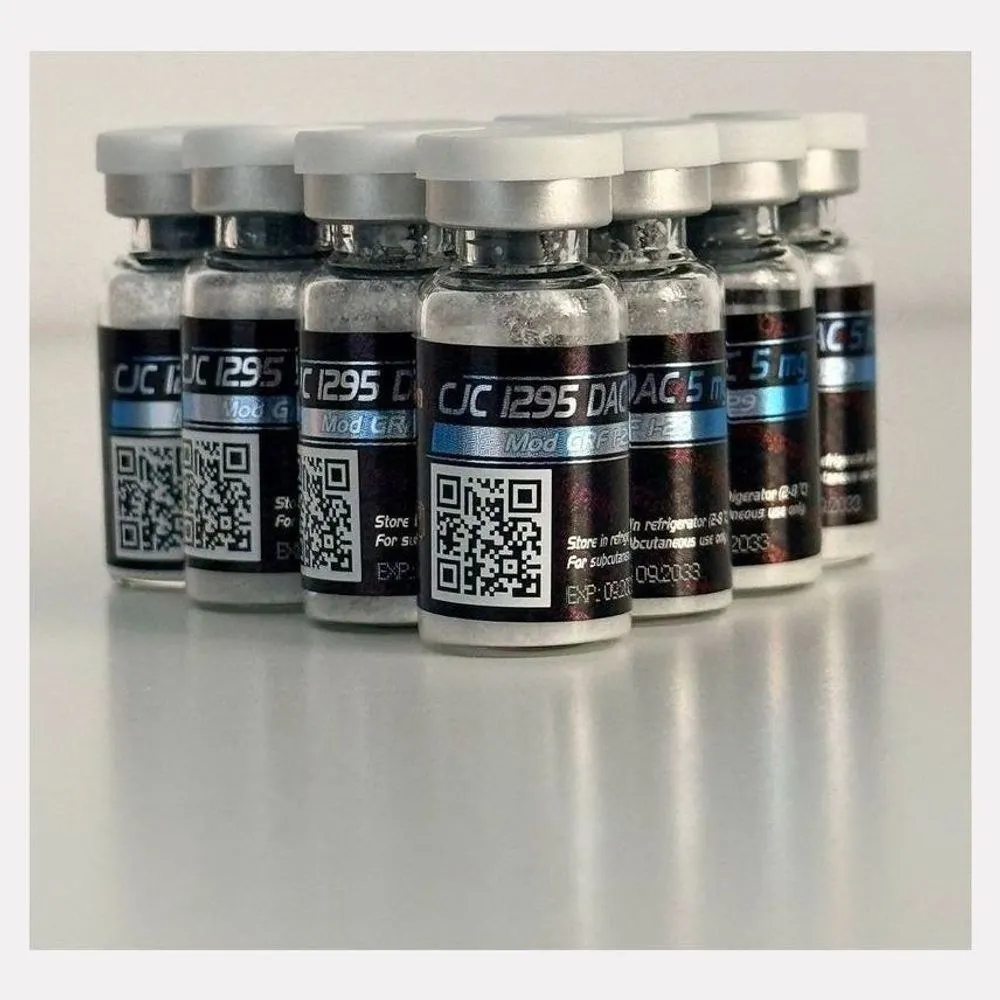
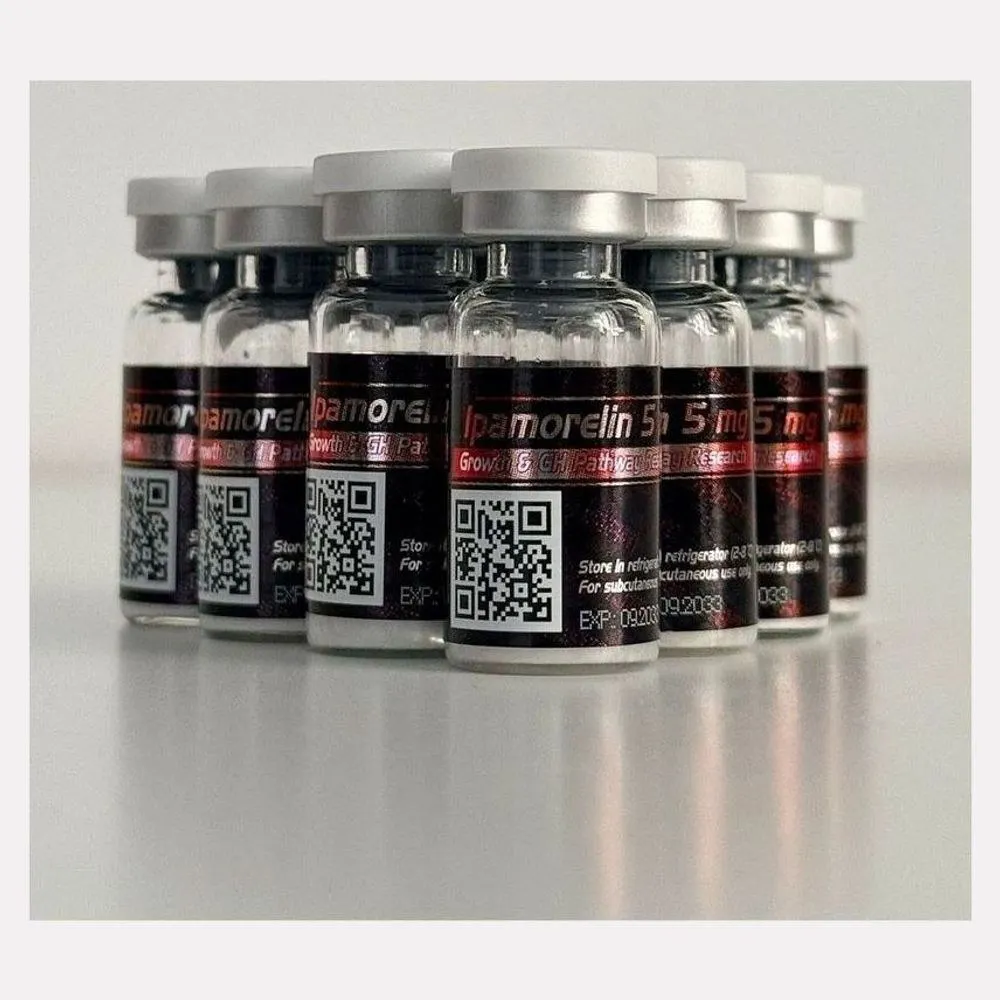
TB-500 is frequently stacked with other peptides to create a comprehensive recovery protocol. A common pairing is with BPC-157, another peptide known for gastrointestinal and musculoskeletal healing. While BPC-157 is often cited for its local effects, TB-500 is theorized to have more systemic effects due to its longer half-life. Some users also pair it with Ipamorelin or CJC-1295 to support natural growth hormone release, potentially synergizing with TB-500's repair mechanisms. It is generally not stacked with anabolic steroids for the purpose of muscle gain, as its primary function is repair, not hypertrophy. However, it may be used during a cycle to support tendon integrity under heavy loading. Always ensure that any stacked compounds are from reputable sources. Mixing peptides requires strict aseptic technique to prevent contamination. The total volume of injections should be monitored to avoid site irritation. Users should track their response to each component individually to isolate effects.
Safety and Side Effects
While TB-500 is generally considered well-tolerated in research settings, safety data is limited. Common side effects reported by users include injection site reactions, such as redness or mild swelling. There is no established evidence of significant hormonal disruption or hepatotoxicity, but this does not mean it is risk-free. The long-term effects of synthetic peptide administration are not fully understood. Users should be aware of the potential for allergic reactions, though these are rare. It is crucial to use sterile equipment and proper storage conditions to avoid bacterial contamination. The peptide should be stored refrigerated after reconstitution. Individuals with existing medical conditions, particularly those involving blood clotting disorders or active cancer, should exercise extreme caution, as angiogenic compounds may theoretically influence these conditions. This product is for research use only and not for human consumption. Consult with a medical professional before starting any peptide protocol.
Questions & answers
How long does a TB-500 cycle typically last?
Users typically run TB-500 for 8 to 12 weeks. The long half-life allows for dosing every 3 to 5 days. Some protocols extend to 16 weeks for chronic injury recovery. Consistency is key for observing potential benefits in tissue repair and healing rates.
Does TB-500 suppress natural testosterone production?
No, TB-500 is a peptide and does not bind to androgen receptors. It does not cause hormonal suppression or require a post-cycle therapy (PCT). It functions through actin polymerization and angiogenesis, not via the endocrine system.
What is the recommended storage for Genopharm TB-500?
Unreconstituted powder should be stored at room temperature or refrigerated. Once reconstituted with bacteriostatic water, the solution must be kept refrigerated (2-8°C) and used within 2 to 4 weeks to maintain stability and prevent bacterial growth.
Can TB-500 be used for muscle growth directly?
TB-500 is not an anabolic steroid and does not directly cause muscle hypertrophy. Its primary role is tissue repair and angiogenesis. Any muscle growth would be indirect, resulting from improved recovery and reduced injury downtime, allowing for more consistent training.