
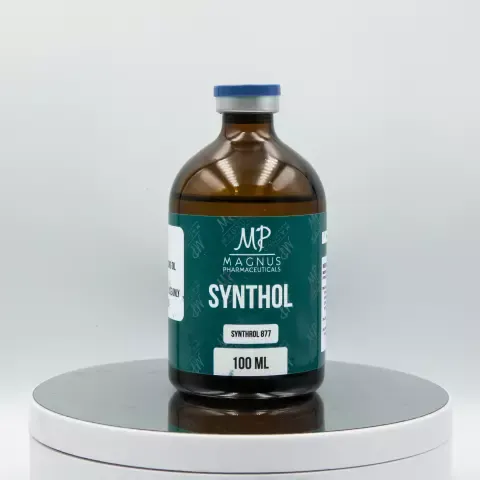
Anabolic Steroid (Injectable)
Butyrate
Butyrate is a short-chain fatty acid (SCFA) primarily produced by gut microbial fermentation of dietary fiber. While often categorized under general supplements, it is distinct from anabolic steroids and does not possess androgenic properties. In the context of performance research, users explore Butyrate for its potential effects on gut integrity, metabolic health, and systemic inflammation rather than direct muscle hypertrophy. Brands like Crown MCT and Nature Made MCT Oil often market products containing precursors or related compounds, though true butyrate supplementation requires specific formulations. This guide examines the pharmacological profile of butyrate, focusing on its role in cellular energy and mucosal health, providing a factual overview for researchers and athletes interested in optimizing gastrointestinal function and metabolic markers.
Drug Class
Anabolic Steroid (Injectable)
All Products
1 products
Legal status
Research compound (not FDA approved)
All Products — Butyrate
How Butyrate works
Butyrate serves as a primary energy source for colonocytes, the cells lining the large intestine. Unlike glucose, which requires insulin for uptake, butyrate is absorbed via passive diffusion and active transport mechanisms in the colon. Once inside the cell, it undergoes beta-oxidation in the mitochondria to produce ATP. This metabolic process supports the structural integrity of the intestinal barrier, reducing permeability often referred to as "leaky gut." Furthermore, butyrate acts as a histone deacetylase (HDAC) inhibitor, influencing gene expression related to anti-inflammatory pathways. By modulating these epigenetic switches, it may help regulate immune responses in the gut-associated lymphoid tissue. Research indicates that adequate butyrate levels are associated with improved insulin sensitivity and reduced systemic inflammation, which can indirectly support recovery and performance metrics in athletes. It is important to note that butyrate is not an anabolic agent and does not bind to androgen receptors.
Typical research applications
In athletic research, butyrate is primarily studied for its impact on gut health and metabolic efficiency rather than direct body composition changes. Athletes often incorporate butyrate sources to manage gastrointestinal distress associated with high-intensity training or high-fiber diets. By enhancing gut barrier function, it may reduce the translocation of endotoxins into the bloodstream, potentially lowering systemic inflammation markers such as C-reactive protein (CRP). Some researchers investigate the link between gut health and nutrient absorption, hypothesizing that a healthier gut environment may improve the uptake of macronutrients and micronutrients. Additionally, butyrate's role in regulating satiety hormones like GLP-1 and PYY is of interest for those managing caloric intake during cutting phases. It is not used for bulking or strength enhancement directly. Instead, it serves as a supportive compound for maintaining metabolic homeostasis, particularly in individuals experiencing digestive issues related to training stress or dietary changes.
Dosage ranges + cycle length
Standard supplemental doses of sodium or calcium butyrate typically range from 100 mg to 500 mg per day, divided into two or three doses to maintain stable plasma levels. Some protocols extend up to 1,000 mg per day under medical supervision, though higher doses may cause gastrointestinal discomfort. Unlike anabolic steroids, butyrate does not require a cycle length or post-cycle therapy (PCT). It is generally taken continuously as part of a daily supplement regimen. For individuals using MCT oil products, which may contain butyrate precursors, dosages vary based on the concentration of the specific fatty acid. It is crucial to start with lower doses to assess tolerance. Since butyrate is rapidly metabolized, timing with meals may help mitigate potential side effects like nausea or bloating. There is no established "cycle" duration; usage is typically indefinite or adjusted based on individual gastrointestinal health goals. Users should consult healthcare providers before initiating high-dose butyrate supplementation, especially if taking other medications that affect gut flora or metabolism.
Side effects + safety considerations
Butyrate is generally considered safe for healthy adults when consumed within recommended dietary limits. Common side effects at higher supplemental doses include mild gastrointestinal distress, such as bloating, gas, or nausea. These symptoms are typically transient and may resolve as the gut microbiome adapts to the increased SCFA load. There is no evidence of hepatotoxicity or hormonal disruption associated with butyrate use, distinguishing it from anabolic steroids. However, individuals with short bowel syndrome or severe malabsorption issues should exercise caution, as rapid transit may reduce efficacy or exacerbate symptoms. Long-term safety data for high-dose supplemental butyrate is limited compared to dietary sources. Users should monitor for any adverse reactions and discontinue use if persistent discomfort occurs. It is advisable to maintain adequate hydration and fiber intake to support the gut microbiome's ability to produce endogenous butyrate. As with any supplement, quality control is essential to ensure the product contains the stated amount of active ingredient without contaminants.
Mechanism of action
Butyrate serves as a primary energy substrate for colonocytes and acts as a histone deacetylase inhibitor, modulating gene expression related to intestinal barrier integrity and systemic anti-inflammatory pathways.
Questions & answers
Is butyrate an anabolic steroid?
No, butyrate is a short-chain fatty acid produced by gut bacteria. It does not have androgenic properties or bind to androgen receptors. It is used for gut health and metabolic support, not muscle growth.
What is the recommended daily dose of butyrate?
Typical supplemental doses range from 100 mg to 500 mg per day, divided into multiple servings. Some protocols go up to 1,000 mg, but starting low is advised to avoid gastrointestinal discomfort.
Does butyrate require post-cycle therapy?
No, butyrate does not suppress natural hormone production or affect the hypothalamic-pituitary-gonadal axis. Therefore, post-cycle therapy is not necessary or applicable for butyrate supplementation.
Can butyrate help with cutting or bulking?
Butyrate does not directly cause fat loss or muscle gain. It may support metabolic health and nutrient absorption, which can indirectly aid in maintaining leanness during cutting or optimizing recovery during bulking.
Are there any serious side effects of butyrate?
Serious side effects are rare. Most users experience mild gastrointestinal issues like bloating or gas at high doses. It is generally safe, but individuals with gut disorders should consult a healthcare provider before use.
Related anabolic steroid (injectable)s
Boldenone
Boldenone is the active compound in 1 product in the SynthesisGear catalogue (also known a…
View →Boldenone undecylenate
Boldenone undecylenate is the active compound in 3 products in the SynthesisGear catalogue…
View →Drostanolone enanthate
Drostanolone enanthate is the active compound in 4 products in the SynthesisGear catalogue…
View →Drostanolone Propionate
Drostanolone Propionate is the active compound in 5 products in the SynthesisGear catalogu…
View →