
Anti-Estrogen / AI
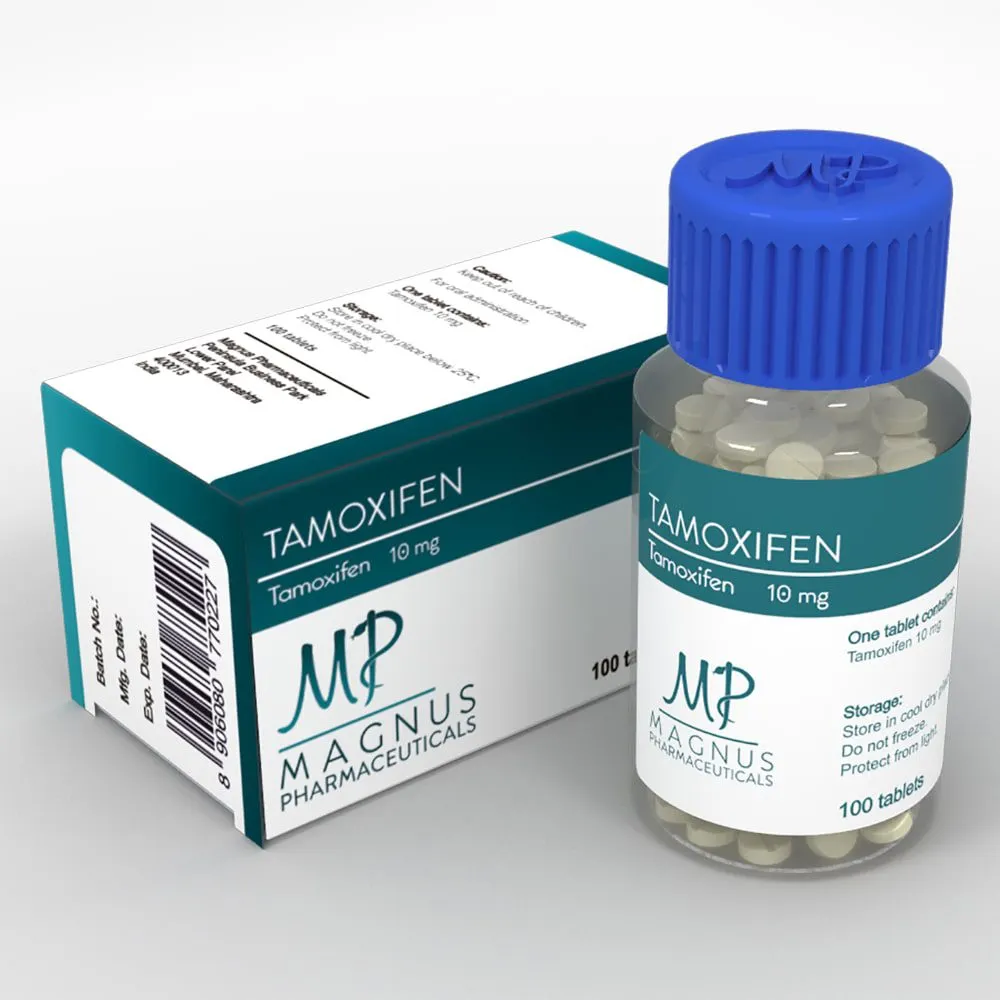
Tamoxifen
Tamoxifen is a selective estrogen receptor modulator (SERM) widely utilized in performance research and post-cycle therapy. Unlike aromatase inhibitors, it does not lower estrogen levels but blocks estrogen from binding to specific tissues. This mechanism makes it a primary tool for managing gynecomastia and supporting hormonal recovery after exogenous steroid use. Common brand names include Nolvadex and Femara, though generic versions are standard in research settings. Athletes typically employ this compound to maintain testosterone production and lipid profiles while mitigating estrogenic side effects. It is crucial to approach Tamoxifen with a clear understanding of its pharmacology, as improper dosing can lead to significant hormonal disruption. This guide outlines the standard protocols, safety considerations, and expected outcomes reported by users in controlled research environments.
Drug Class
Anti-Estrogen / AI
All Products
2 products
Legal status
Prescription-only medicine (Rx)
All Products — Tamoxifen

How Tamoxifen Works Mechanistically
Tamoxifen acts as a competitive antagonist at estrogen receptors in breast tissue and the hypothalamus, while acting as an agonist in bone and liver. In the context of athletic research, its primary function is to prevent estrogen-induced gynecomastia. By blocking estrogen from binding to breast tissue receptors, it inhibits the development of glandular tissue. Simultaneously, its action in the hypothalamus reduces the negative feedback loop, which may help maintain or restore luteinizing hormone secretion. This is distinct from aromatase inhibitors, which reduce estrogen production entirely. Tamoxifen allows for a more balanced hormonal environment, avoiding the severe drop in estrogen that can occur with aggressive AI use. Users report that this balance helps preserve joint health and mood stability. The compound is metabolized in the liver into active metabolites, including endoxifen, which contributes to its overall efficacy. Understanding this dual action is essential for integrating Tamoxifen into a research protocol effectively.
Typical Research Applications
In performance research, Tamoxifen is primarily used for post-cycle therapy and managing estrogenic side effects. Athletes often introduce it during the final weeks of a cycle if early signs of gynecomastia appear. It is also a staple in PCT protocols to stimulate natural testosterone production and prevent estrogen rebound. Some researchers use it for lipid profile management, as it may improve HDL cholesterol levels compared to other SERMs. It is not typically used for cutting or bulking directly, but rather as a supportive agent. In fertility research, Tamoxifen is known to support sperm health and motility. Users report that it provides a safer alternative to complete estrogen suppression, which can be detrimental to long-term health. The compound is often stacked with Clomiphene for enhanced PCT results. Its role is supportive, ensuring that the hormonal axis recovers efficiently after exogenous hormone exposure.
Dosage Ranges and Cycle Length
Standard research dosages for Tamoxifen typically range from 20 mg to 40 mg per day. For managing gynecomastia during a cycle, users often start at 20 mg daily and adjust based on symptoms. In post-cycle therapy, a common protocol involves 20 mg daily for four to six weeks. Some advanced protocols use 40 mg daily for the first two weeks, tapering down to 20 mg for the remainder. It is important to note that higher doses do not necessarily yield better results and may increase the risk of side effects. The total cycle length for PCT is usually four to six weeks, aligning with the suppression period of the preceding anabolic cycle. Users should monitor their response and adjust dosages accordingly. Blood work is recommended to track hormone levels and ensure the protocol is effective. Consistency is key, as erratic dosing can lead to unstable hormonal feedback loops.
Side Effects and Safety Considerations
Common side effects of Tamoxifen include hot flashes, mood changes, and potential vision disturbances. Long-term use may affect lipid profiles, although it generally improves HDL levels. There is a small risk of thromboembolic events, particularly in individuals with pre-existing clotting disorders. Regular blood work is essential to monitor liver enzymes and lipid levels. Users should be aware of any signs of vision changes, such as blurred vision or halos around lights, and discontinue use if these occur. It is not recommended for individuals with a history of stroke or deep vein thrombosis. Tamoxifen should be used with caution in those with liver disease. PCT protocols should be tailored to the individual's health profile. Consulting with a healthcare professional is advisable, especially for those with underlying health conditions. Safety is paramount, and users should prioritize their long-term health over short-term performance gains.
Mechanism of action
Tamoxifen acts as a selective estrogen receptor modulator, blocking estrogen binding in breast tissue while stimulating hypothalamic LH release to support endogenous testosterone production.
Questions & answers
What is the standard dose for PCT?
The standard dose for post-cycle therapy is typically 20 mg daily for four to six weeks. Some protocols start at 40 mg for the first two weeks, tapering down to 20 mg. Adjustments should be made based on individual response and blood work results.
Can Tamoxifen be used during a cycle?
Yes, Tamoxifen is often used during the final weeks of a cycle to prevent gynecomastia. A dose of 20 mg daily is common, but it should be introduced cautiously to avoid over-suppressing estrogen, which can have negative effects on joints and mood.
How does Tamoxifen differ from Clomiphene?
Tamoxifen and Clomiphene are both SERMs, but they have different metabolite profiles and side effect profiles. Clomiphene is often considered more potent for stimulating testosterone production, while Tamoxifen may have a better effect on lipid profiles. They are sometimes stacked for enhanced PCT results.
What are the common side effects?
Common side effects include hot flashes, mood swings, and potential vision changes. Long-term use may affect lipid levels, although it often improves HDL cholesterol. Users should monitor for any signs of thromboembolic events, especially if they have a history of clotting disorders.
Is Tamoxifen safe for long-term use?
Tamoxifen is generally considered safe for short-term use in PCT or cycle management. However, long-term use requires careful monitoring of liver function, lipid profiles, and hormonal balance. It is not recommended for indefinite use without regular medical supervision.
Related anti-estrogen / ais
Anastrazole
Anastrazole is the active compound in 1 product in the SynthesisGear catalogue (also known…
View →Cabergoline
Cabergoline is the active compound in 1 product in the SynthesisGear catalogue (also known…
View →Clomid
Clomid is the active compound in 2 products in the SynthesisGear catalogue (also known as …
View →Clomiphene Citrate
Clomiphene Citrate is the active compound in 5 products in the SynthesisGear catalogue (al…
View →