
Anti-Estrogen / AI
Clomiphene Citrate
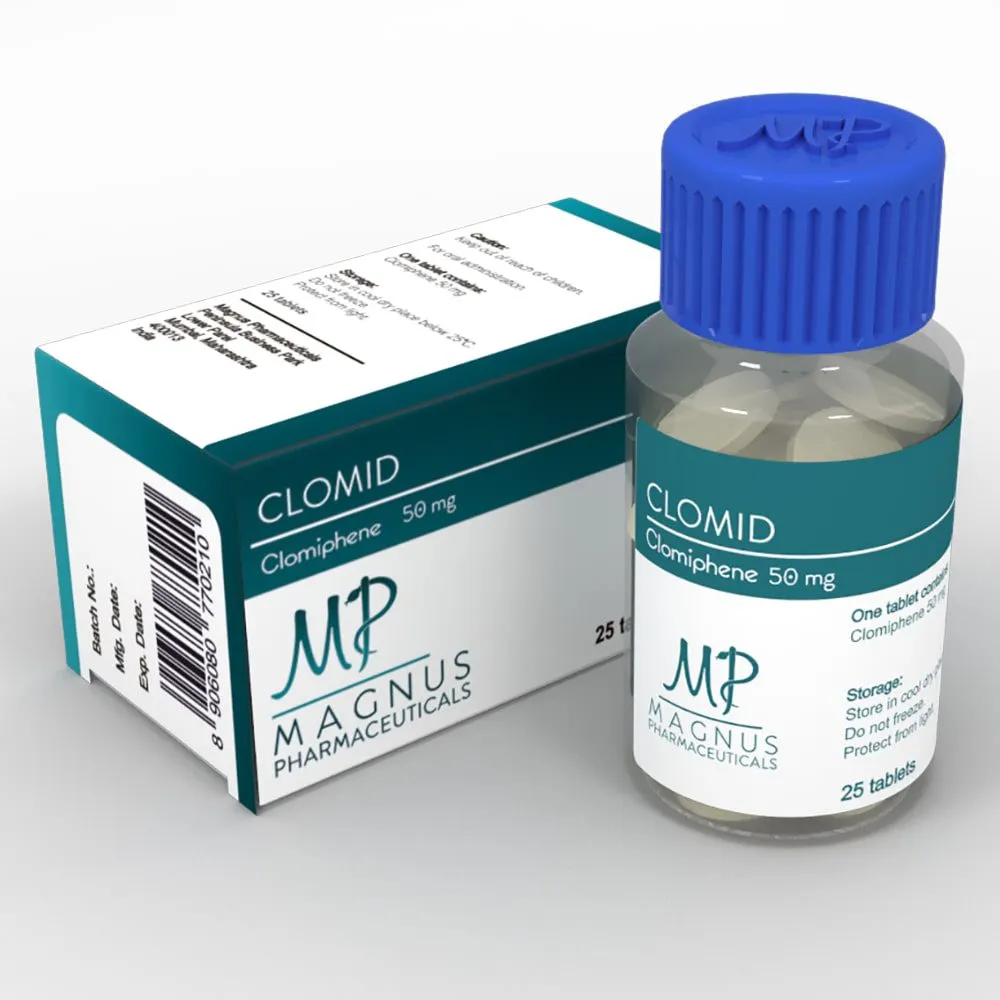
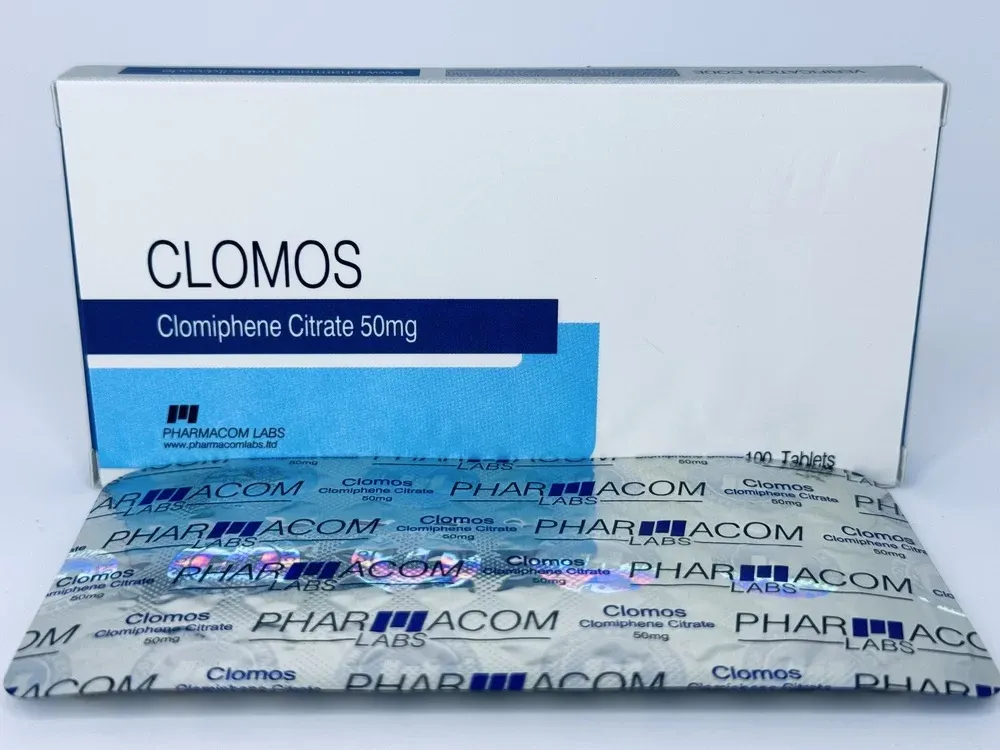
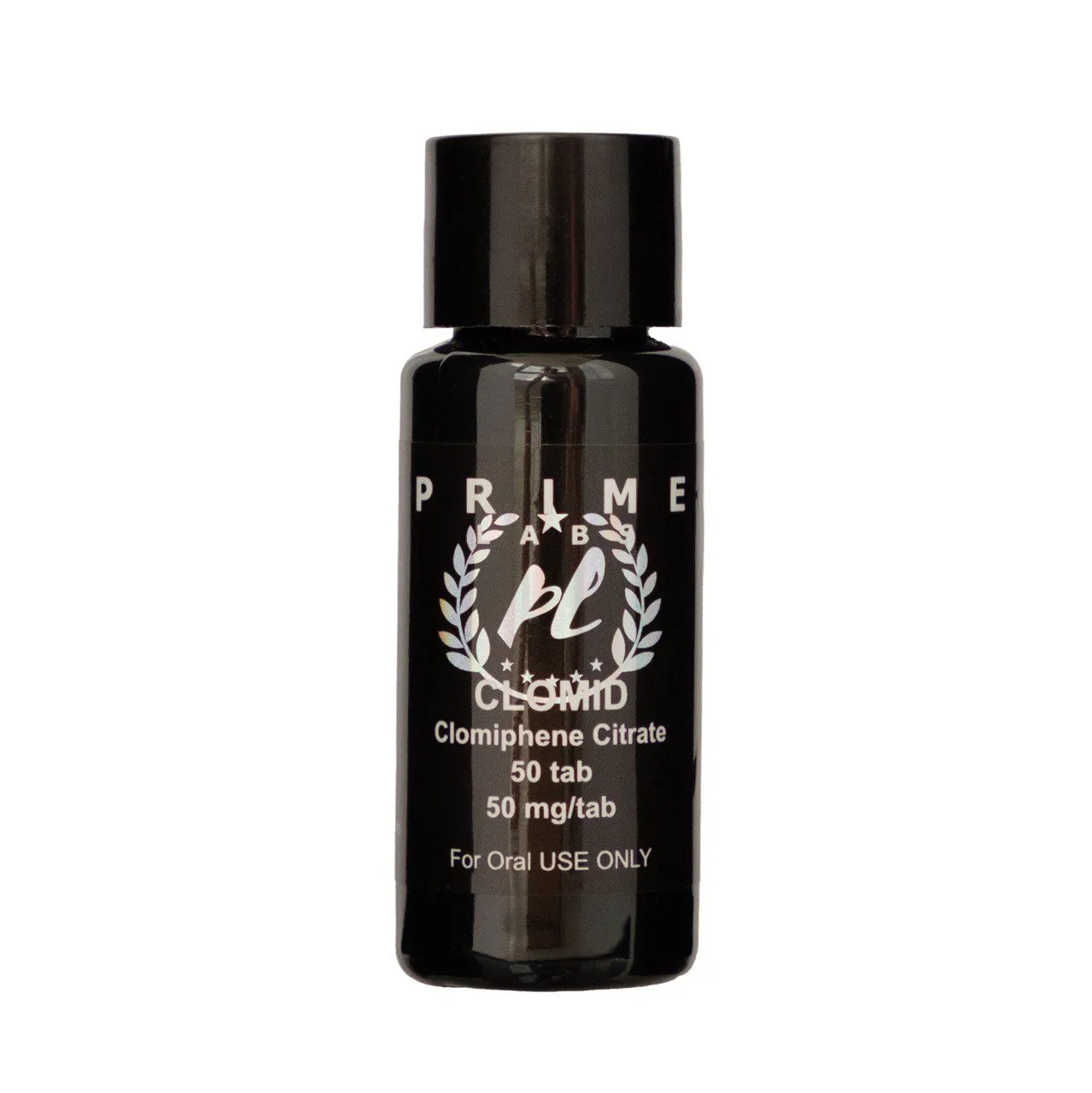
Clomiphene Citrate is a selective estrogen receptor modulator (SERM) widely utilized in post-cycle therapy (PCT) and reproductive research. While originally developed for ovulation induction, athletes and researchers value it for its ability to stimulate the hypothalamic-pituitary-gonadal axis without the androgenic side effects associated with aromatase inhibitors. Commonly sold under brand names like Clomid or Clomifene, this compound acts as a non-steroidal agent that restores natural testosterone production after exogenous hormone use. It is a critical tool for maintaining hormonal balance, supporting libido, and preventing the suppression of endogenous Leydig cell function during the recovery phase of performance-enhancing cycles.
Drug Class
Anti-Estrogen / AI
All Products
5 products
Legal status
Prescription-only medicine (Rx)
All Products — Clomiphene Citrate
How Clomiphene Citrate Works
Clomiphene functions by blocking estrogen receptors in the hypothalamus and pituitary gland. By inhibiting the negative feedback loop of estrogen, it signals the brain to increase the secretion of gonadotropin-releasing hormone (GnRH), luteinizing hormone (LH), and follicle-stimulating hormone (FSH). This hormonal cascade stimulates the Leydig cells in the testes to produce more endogenous testosterone. Unlike aromatase inhibitors, which lower estrogen levels systemically, Clomiphene allows estrogen to remain at physiological levels while preventing it from suppressing gonadotropin release. This mechanism makes it particularly effective for recovering from the suppression caused by anabolic steroids. The compound has a long half-life of approximately 5 to 7 days, which allows for flexible dosing schedules and sustained hormonal stimulation throughout the week. Users report that this non-steroidal approach often results in a more natural recovery of the HPTA axis compared to other SERMs.
Typical Research Applications
In athletic and research contexts, Clomiphene Citrate is primarily employed for post-cycle therapy (PCT) following the use of anabolic-androgenic steroids (AAS). It is frequently stacked with tamoxifen to provide a dual mechanism of action for maximizing testosterone recovery. Researchers also use it for ovulation induction in fertility studies, where it promotes follicular development. In bodybuilding, it is rarely used during active cycles due to its potential to increase estrogen levels, but it is a standard choice for the recovery phase. Some athletes use it for recomposition phases where maintaining high testosterone levels is crucial for muscle retention and fat loss. It is also investigated for its potential to improve bone density and lipid profiles in certain populations. The compound is valued for its oral bioavailability and predictable pharmacokinetic profile, making it a staple in many protocol libraries for hormonal optimization and recovery from exogenous hormone exposure.
Dosage Ranges and Cycle Length
Standard research protocols for PCT typically involve dosages ranging from 50 mg to 100 mg per day. A common beginner schedule is 50 mg daily for four weeks, while advanced users may start at 100 mg for the first two weeks, tapering to 50 mg for the subsequent two weeks. The total cycle length is usually 4 to 6 weeks, depending on the length of the preceding anabolic steroid cycle. For fertility research, lower doses of 50 mg daily for 5 days per cycle are common. It is crucial to monitor blood work, specifically LH, FSH, and testosterone levels, to adjust dosages effectively. Users should avoid exceeding 100 mg daily without medical supervision, as higher doses may increase the risk of visual disturbances. The long half-life of the compound means that missed doses are less critical than with shorter-acting agents, but consistency is key to maintaining stable hormonal levels throughout the recovery period.
- Beginner PCT: 50 mg/day for 4 weeks
- Advanced PCT: 100 mg/day for 2 weeks, then 50 mg/day for 2 weeks
- Fertility Research: 50 mg/day for 5 days per cycle
- Monitoring: Test LH, FSH, and Total Testosterone at week 2 and week 4
Side Effects and Safety Considerations
While generally well-tolerated, Clomiphene Citrate can cause side effects such as mood swings, irritability, and visual disturbances, including blurred vision or flashes of light. Visual symptoms should prompt immediate discontinuation of use. Other reported effects include hot flashes, nausea, and abdominal pain. Because Clomiphene can increase estrogen levels, users may experience gynecomastia or water retention if not monitored properly. It is essential to undergo blood work before and during the cycle to assess hormonal status and liver function. Individuals with a history of liver disease or visual disorders should avoid this compound. PCT protocols should be tailored to the individual's response, and users should be aware that Clomiphene is not a cure for permanent HPTA damage. Consulting with a healthcare professional is recommended for anyone considering long-term use or high-dose protocols.
Mechanism of action
Clomiphene citrate acts as a selective estrogen receptor modulator that blocks estrogen feedback in the hypothalamus, thereby increasing gonadotropin release and stimulating endogenous testosterone production.
Questions & answers
What is the standard PCT dosage for Clomiphene?
The standard PCT dosage is typically 50 mg to 100 mg per day for a duration of 4 to 6 weeks. Advanced users may start at 100 mg for the first two weeks and taper to 50 mg for the remaining two weeks to optimize recovery.
Can Clomiphene be used during an active steroid cycle?
Clomiphene is generally not recommended during active steroid cycles because it can increase estrogen levels, potentially leading to side effects like water retention and gynecomastia. It is primarily used in the post-cycle phase to restore natural testosterone production.
How does Clomiphene differ from Tamoxifen in PCT?
Clomiphene stimulates both LH and FSH, while Tamoxifen primarily stimulates LH. Clomiphene has a longer half-life and may be more effective for severe suppression, whereas Tamoxifen is often used for milder cases or in combination with Clomiphene for a synergistic effect.
What blood work is recommended when using Clomiphene?
Recommended blood work includes testing for Total Testosterone, Free Testosterone, LH, FSH, Estradiol, and liver function markers. These tests help monitor the effectiveness of the PCT and ensure that hormonal levels are returning to baseline safely.
Are there any long-term side effects of Clomiphene?
Long-term use is not well-studied in athletes, but potential risks include visual disturbances and mood changes. Most side effects are reversible upon discontinuation. However, individuals with pre-existing liver or visual conditions should exercise caution and consult a healthcare provider before use.
Related anti-estrogen / ais
Anastrazole
Anastrazole is the active compound in 1 product in the SynthesisGear catalogue (also known…
View →Cabergoline
Cabergoline is the active compound in 1 product in the SynthesisGear catalogue (also known…
View →Clomid
Clomid is the active compound in 2 products in the SynthesisGear catalogue (also known as …
View →Mesterolone
Mesterolone is the active compound in 4 products in the SynthesisGear catalogue (also know…
View →