Anti Estrogens
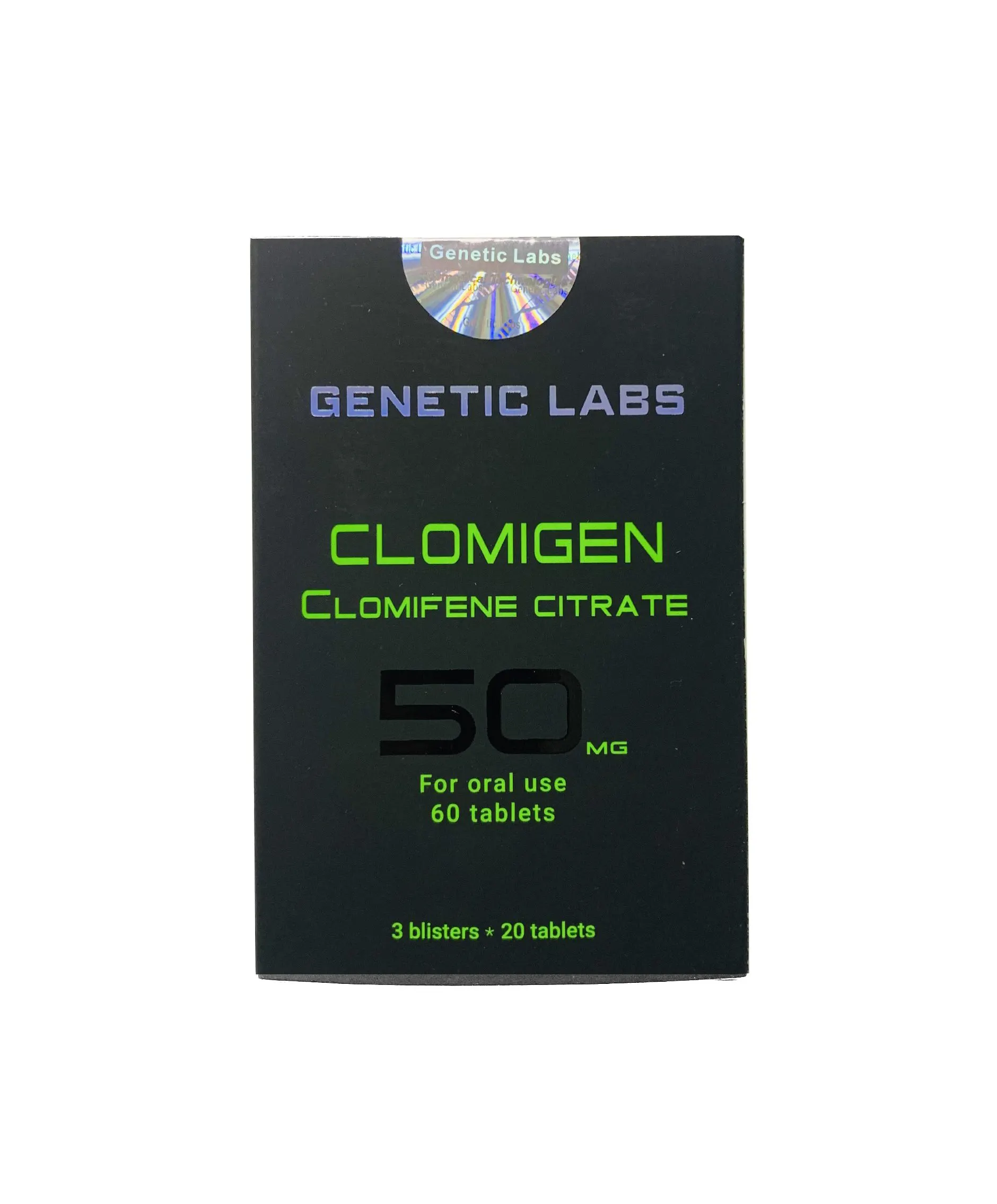
Clomigen 60tab/50mg Clomifene Citrate – Genetic Labs
Genetic Labs
€59.40 €66.00
Save €7.00

Clomid, chemically known as clomifene citrate, is a selective estrogen receptor modulator (SERM) rather than an anabolic agent. In athletic research contexts, it is primarily utilized during post-cycle therapy (PCT) to restore the hypothalamic-pituitary-gonadal (HPG) axis after exogenous steroid use. Unlike aromatase inhibitors, Clomid acts directly on the pituitary gland. Leading brands include Seropharm Clomid and Ferring. It is not a performance enhancer for strength or size but a recovery tool. Users report it helps normalize natural testosterone production. It is distinct from anabolic steroids like Oxandrolone or Testosterone enanthate. This compound is strictly for research and educational purposes. Athletes typically run it for 4 to 6 weeks. It requires careful monitoring of hormonal markers to ensure effective recovery without adverse effects.
Drug Class
Anti-Estrogen / AI
All Products
2 products
Legal status
Prescription-only medicine (Rx)
Anti Estrogens
Genetic Labs
Save €7.00
Clomid functions as an anti-estrogen by binding to estrogen receptors in the hypothalamus and pituitary gland. Under normal conditions, estrogen exerts negative feedback on the production of luteinizing hormone (LH) and follicle-stimulating hormone (FSH). By blocking this feedback loop, Clomid tricks the brain into perceiving low estrogen levels. Consequently, the pituitary increases the secretion of LH and FSH. This hormonal surge stimulates the Leydig cells in the testes to produce more endogenous testosterone. It is crucial to understand that Clomid does not directly build muscle or enhance performance. Instead, it mitigates the suppressive effects of exogenous steroids on the HPG axis. The mechanism is distinct from aromatase inhibitors, which lower estrogen levels systemically. Clomid allows for the restoration of natural hormonal balance, which is vital for long-term health and physiological function after a cycle. Users report that this action helps prevent prolonged hypogonadism.
The primary application of Clomid in athletic research is post-cycle therapy (PCT). After a cycle of anabolic steroids, the body’s natural testosterone production is suppressed. Clomid is used to jumpstart this recovery process. It is typically introduced a few days after the last injection of long-ester steroids. Some protocols use it in conjunction with Nolvadex (tamoxifen) to target different receptor sites. Clomid is not used during active bulking or cutting phases for performance enhancement. It does not have anabolic properties. Its role is purely restorative. Athletes report using it to maintain libido, energy levels, and mood during the recovery period. It is also studied in fertility research to induce ovulation, but this is outside the scope of athletic performance. The focus here is on HPG axis recovery. Users typically run Clomid for a fixed duration to ensure the pituitary gland resumes normal function. It is a critical component of responsible steroid cycling protocols.
Typical research dosages for Clomid range from 50 mg to 100 mg per day. The standard protocol lasts 4 to 6 weeks. A common starting dose is 50 mg daily for the first two weeks. If blood work indicates insufficient LH or testosterone levels, the dose may be increased to 100 mg daily for the subsequent weeks. Some advanced protocols use a tapering method, starting at 100 mg and reducing to 50 mg, then 25 mg. It is essential to monitor blood markers such as LH, FSH, and total testosterone during this period. Clomid should be taken at the same time each day to maintain stable blood levels. The duration is fixed; extending the cycle beyond 6 weeks is rarely recommended due to potential side effects. Users report that adherence to the schedule is critical for effective HPG axis recovery. Dosage should be adjusted based on individual response and lab results. Always consult a medical professional before initiating any protocol involving Clomid.
While Clomid is generally well-tolerated, users report several potential side effects. Visual disturbances, such as blurring or flashes of light, are a known risk and require immediate discontinuation. Mood swings, irritability, and anxiety are also commonly cited. Some individuals experience hot flashes or nausea. Clomid may affect liver function, so baseline and mid-cycle liver enzyme tests are recommended. It is not hepatotoxic in the same manner as 17-alpha-alkylated steroids, but caution is still advised. Clomid should only be used by adults aged 21 and older. It is not suitable for those with a history of liver disease or visual disorders. Blood work is essential to track hormonal recovery and ensure no adverse effects. Users report that stopping Clomid immediately upon noticing visual issues is critical. Always prioritize safety and monitor for any unusual symptoms. This compound is for research purposes only and does not replace medical advice.
Mechanism of action
Clomifene citrate acts as a selective estrogen receptor modulator, blocking estrogen feedback in the pituitary gland to stimulate endogenous luteinizing hormone and follicle-stimulating hormone secretion.
A standard Clomid PCT cycle typically lasts 4 to 6 weeks. The duration may vary based on individual response and blood work results. Most protocols start at 50 mg/day and adjust based on LH and testosterone levels. Extending beyond 6 weeks is rarely recommended due to potential side effects.
No, Clomid is primarily used during post-cycle therapy, not during active steroid cycles. Using it during a cycle may interfere with the intended hormonal effects of the steroids. It is designed to restore the HPG axis after suppression, not to enhance performance during the cycle.
Common side effects include visual disturbances, mood swings, irritability, and hot flashes. Visual issues require immediate discontinuation. Liver function should be monitored. Users report that these side effects are generally manageable but should be taken seriously.
Clomid does not directly lower estrogen levels like an aromatase inhibitor. Instead, it blocks estrogen receptors in the brain, reducing negative feedback on LH and FSH. This indirectly allows estrogen to rise to normal levels while stimulating testosterone production.
Clomid is not intended for long-term use. It is typically used for short-term PCT cycles of 4 to 6 weeks. Long-term use may lead to increased side effects and is not supported by standard research protocols. Always follow a structured schedule and monitor blood work.
Anastrazole is the active compound in 1 product in the SynthesisGear catalogue (also known…
View →Cabergoline is the active compound in 1 product in the SynthesisGear catalogue (also known…
View →Clomiphene Citrate is the active compound in 5 products in the SynthesisGear catalogue (al…
View →Mesterolone is the active compound in 4 products in the SynthesisGear catalogue (also know…
View →Verified Manufacturers
Lab-tested pharmaceutical grade
Fast Dispatch
Orders ship within 24 hours
1,160+ Reviews
4.8 / 5 from verified buyers
Discreet & Secure
Plain packaging, SSL checkout