
Anabolic Steroid (Oral)
Testosterone Enanthate
Testosterone Enanthate is a long-esterified form of the primary male hormone, classified as an injectable anabolic steroid. It is widely used in research settings to study hormonal regulation and athletic performance. Brands like Durateston and Testo-Depot are common references in the market. The compound is valued for its stable blood levels, making it a standard baseline in many protocols. Users typically select it for its predictable pharmacokinetics and ease of administration. This guide outlines the pharmacology, typical applications, and safety data associated with this specific ester. All information is provided for educational and research purposes only. Individual responses may vary significantly based on genetics and health status.
Drug Class
Anabolic Steroid (Oral)
All Products
4 products
Legal status
Prescription-only medicine (Rx)
All Products — Testosterone Enanthate
Injectable Steroids
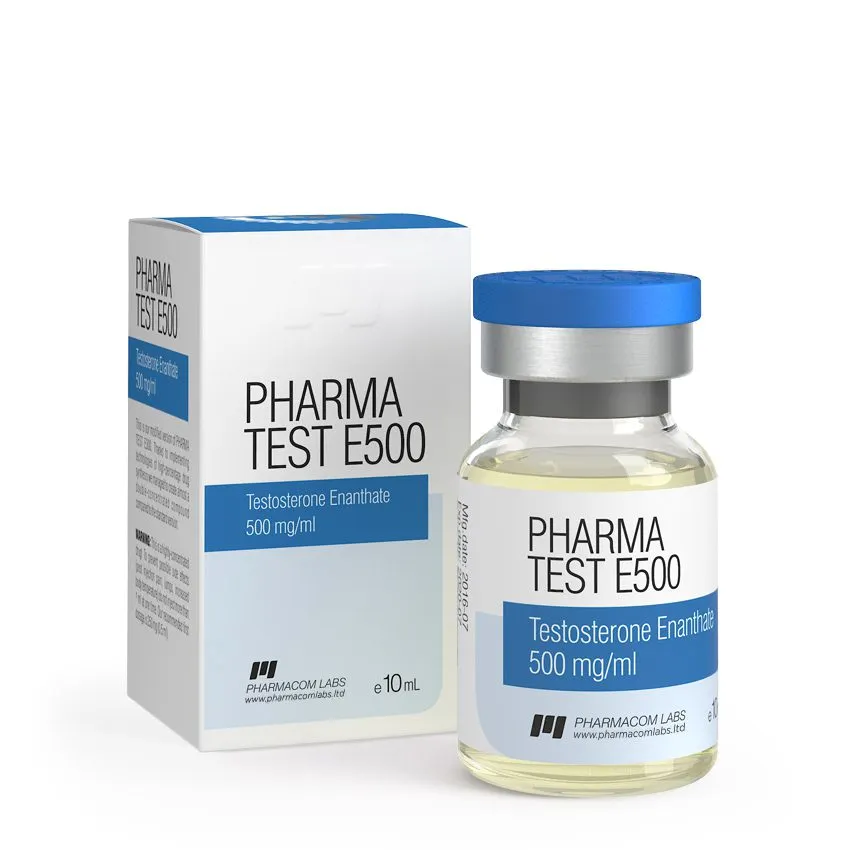
Pharma Test E 500 10ml/500mg Testosterone Enanthate – Pharmacom
Pharmacom
€88.00
Oral Steroids
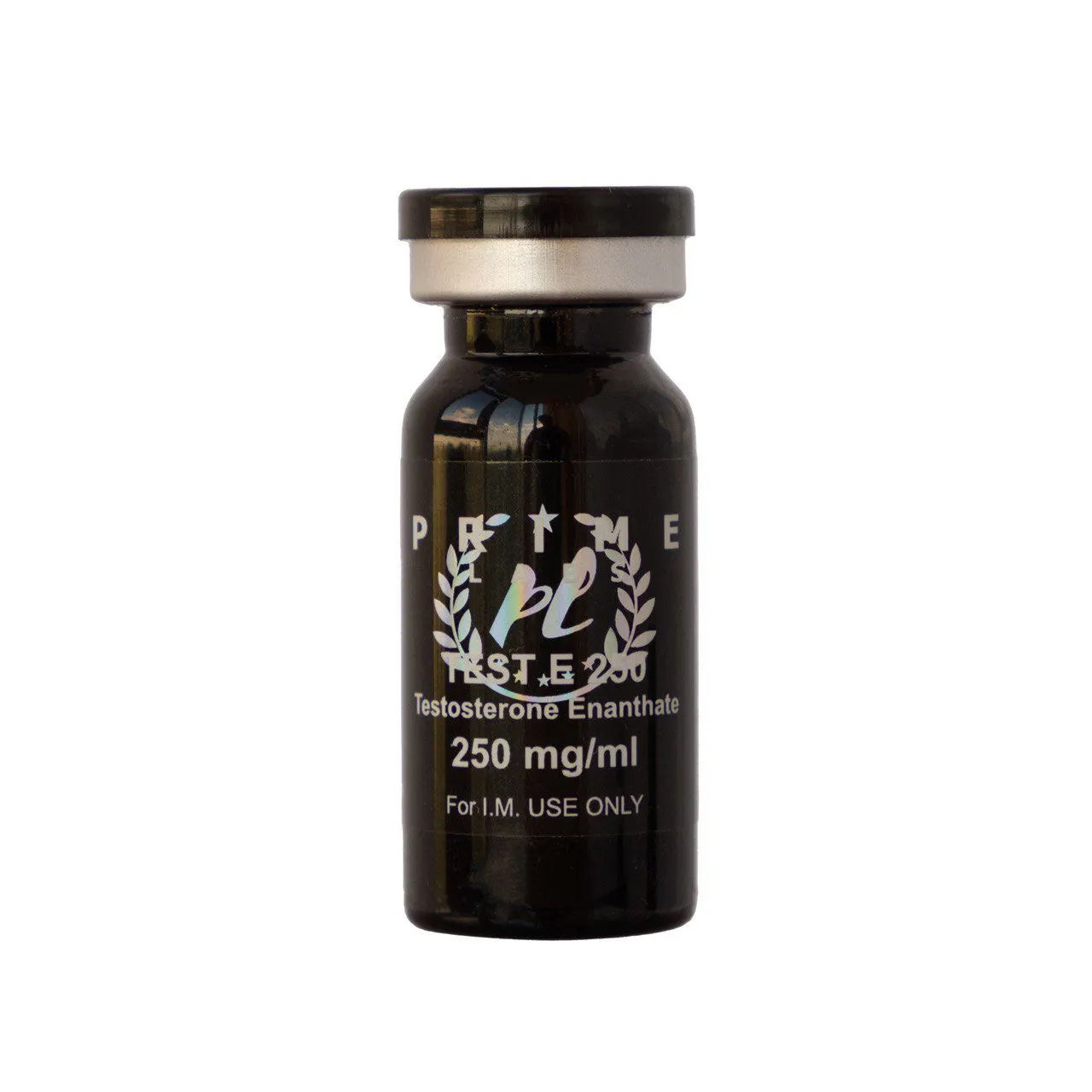
Testosterone Enanthate 10ml/250mg Test Enanthate – Prime
Prime
€46.53 €51.70
Save €5.00
How Testosterone Enanthate Works
Testosterone Enanthate functions by binding to androgen receptors in target tissues, mimicking the action of endogenous testosterone. The enanthate ester slows the release of the active hormone into the bloodstream, extending its half-life to approximately 4.5 to 5 days. This results in a more stable serum concentration compared to shorter esters like propionate. The compound exerts both anabolic effects, promoting protein synthesis and nitrogen retention, and androgenic effects, influencing secondary sexual characteristics. In research contexts, it is often used to observe the dose-response relationship between exogenous androgen administration and physiological markers. The stable release profile allows for less frequent dosing schedules, typically once or twice weekly. This consistency is a key factor in its widespread use in hormonal studies. Understanding the ester's impact on plasma levels is crucial for interpreting experimental data.
Typical Research Applications
In athletic and research contexts, Testosterone Enanthate is frequently employed as a foundational compound. It is commonly used in bulking phases due to its ability to support significant gains in lean mass and strength when combined with a caloric surplus. Athletes also utilize it during cutting cycles to preserve muscle tissue while reducing body fat, often stacking it with other agents to manage hormonal suppression. Recomp protocols may include lower doses to maintain an anabolic environment without excessive water retention. The compound is also a standard component of Post Cycle Therapy (PCT) to restore natural testosterone production after the use of suppressive agents. Its long ester makes it less suitable for rapid on/off cycles but ideal for maintaining baseline levels. Researchers often compare its efficacy against other esters like cypionate to evaluate subtle differences in bioavailability and side effect profiles. The versatility of the compound allows it to serve as a control variable in many performance studies.
Dosage Ranges and Cycle Length
Dosage protocols for Testosterone Enanthate vary based on the specific research objective. For therapeutic replacement or baseline maintenance, doses typically range from 100 mg to 200 mg per week. In performance-oriented research, doses may increase to 300 mg to 500 mg per week, usually administered as two injections per week to maintain stable blood levels. Cycle lengths for performance studies commonly span 8 to 12 weeks. Longer cycles are sometimes observed in research focusing on long-term hormonal adaptation. It is critical to note that higher doses do not linearly increase benefits and may elevate the risk of side effects. Users should monitor blood work regularly to adjust dosages based on individual hormonal responses. The frequency of administration is often adjusted to keep trough levels within a desired range. Consistency in injection timing is essential for accurate data collection in any study involving this compound.
Side Effects and Safety Considerations
Users of Testosterone Enanthate should be aware of potential side effects, including estrogenic effects such as gynecomastia and water retention, which may require the use of aromatase inhibitors. Androgenic side effects can include acne, hair loss, and increased aggression. The compound suppresses the Hypothalamic-Pituitary-Gonadal (HPG) axis, necessitating a structured PCT protocol to restore natural production. Regular blood work is recommended to monitor lipid profiles, liver enzymes, and hematocrit levels. Individuals with a history of cardiovascular issues or prostate conditions should exercise extreme caution. Injection site reactions are possible but generally mild. It is important to source compounds from reputable suppliers to ensure purity and accurate dosing. This information is for educational purposes and does not constitute medical advice. Users must consult with qualified healthcare professionals before initiating any research protocol involving hormonal compounds.
Mechanism of action
Testosterone Enanthate binds to androgen receptors, promoting protein synthesis and nitrogen retention, while its long ester ensures sustained serum levels over several days.
Questions & answers
What is the half-life of Testosterone Enanthate?
The half-life of Testosterone Enanthate is approximately 4.5 to 5 days. This duration allows for stable blood levels with less frequent dosing compared to shorter esters like propionate.
Is Testosterone Enanthate suitable for beginners?
Yes, it is often considered suitable for beginners due to its stable release profile and well-documented side effect profile. However, beginners should start with lower doses and monitor their response carefully.
How does Testosterone Enanthate compare to Cypionate?
Testosterone Enanthate and Cypionate have similar half-lives and effects. The primary difference is the ester chain length, which may result in negligible differences in bioavailability and injection site reactions.
What is a typical cycle length for research?
Typical research cycles for Testosterone Enanthate range from 8 to 12 weeks. Longer cycles may be used to study long-term hormonal adaptations and physiological changes.
Does Testosterone Enanthate require PCT?
Yes, because it suppresses natural testosterone production, a Post Cycle Therapy (PCT) protocol is typically required to help restore the HPG axis and natural hormone levels.
Related anabolic steroid (oral)s
17α‑Methyl‑dihydrotestosterone
17α‑Methyl‑dihydrotestosterone is the active compound in 1 product in the SynthesisGear ca…
View →4‑Chlorodehydromethyl Testosterone
4‑Chlorodehydromethyl Testosterone is the active compound in 2 products in the SynthesisGe…
View →Anadrol
Anadrol is the active compound in 2 products in the SynthesisGear catalogue (also known as…
View →Anavar
Anavar is the active compound in 3 products in the SynthesisGear catalogue (also known as …
View →