

Anabolic Steroid (Oral)
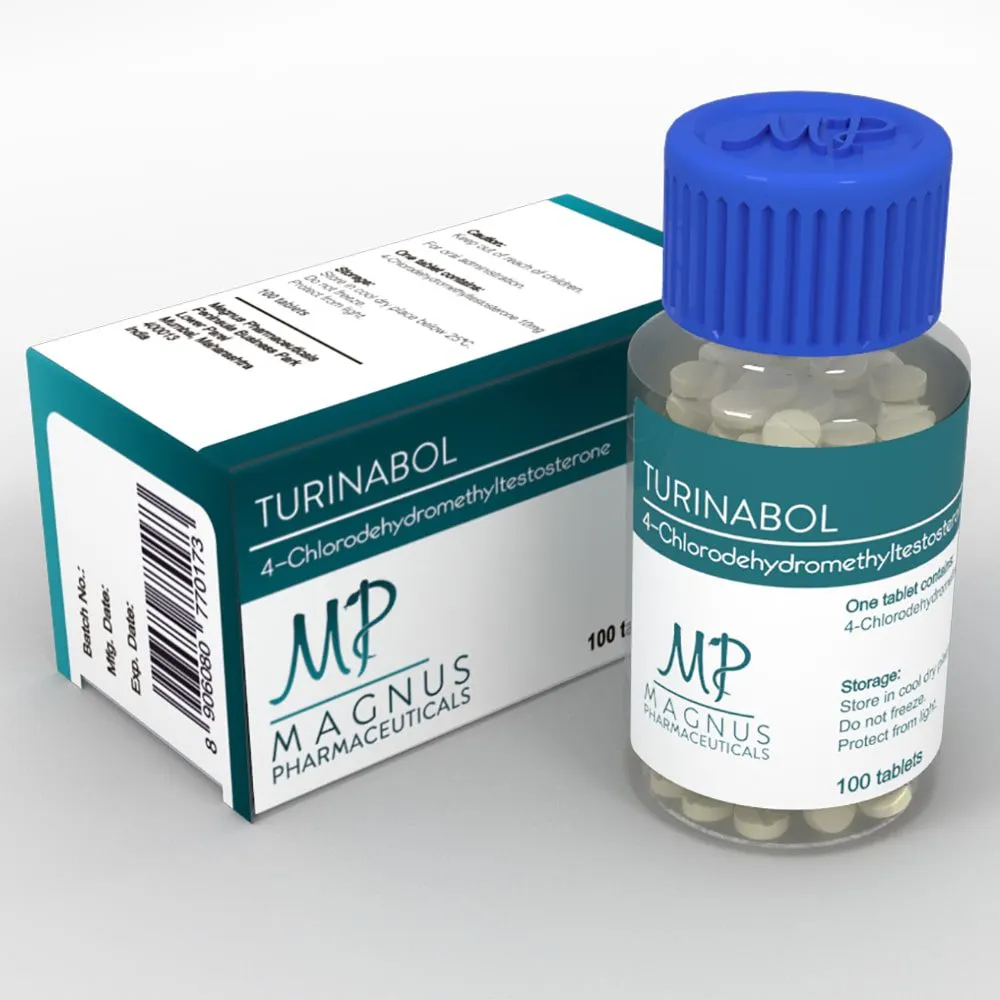
4‑Chlorodehydromethyl Testosterone
4-Chlorodehydromethyl Testosterone, widely recognized in research circles as Clostebol, is a potent oral anabolic steroid derived from testosterone. It belongs to the 17-alpha-alkylated class, allowing it to survive first-pass metabolism in the liver. Athletes and researchers typically utilize Clostebol for its favorable anabolic-to-androgenic ratio, which supports lean mass accretion without excessive water retention. The compound is often compared to Dianabol due to shared structural origins, yet it exhibits distinct pharmacokinetic properties. This profile makes it a subject of interest for those seeking to enhance protein synthesis and nitrogen retention in controlled environments. Understanding the specific mechanisms and safety protocols is essential for anyone studying this agent.
Drug Class
Anabolic Steroid (Oral)
All Products
2 products
Legal status
Controlled substance (Schedule III)
All Products — 4‑Chlorodehydromethyl Testosterone
How Clostebol Works Mechanistically
Clostebol functions by binding to androgen receptors within muscle cells, initiating a cascade that increases protein synthesis. As a 17-alpha-alkylated derivative, it resists rapid degradation by hepatic enzymes, ensuring sufficient bioavailability after oral ingestion. The compound typically exhibits a high anabolic-to-androgenic ratio, often cited in literature as approximately 120:40. This ratio suggests a strong capacity to drive muscle growth while minimizing androgenic side effects relative to its anabolic potential. However, the alkyl group places significant metabolic load on the liver. Researchers note that Clostebol may also influence nitrogen balance, creating an anabolic environment conducive to tissue repair. The mechanism is distinct from injectables, as the oral route requires specific hepatic processing. Users should understand that while the anabolic effect is pronounced, the androgenic impact is not negligible. The compound’s action is dose-dependent, with higher concentrations potentially saturating receptors and increasing the likelihood of androgenic manifestations. Accurate dosing is therefore critical to balance efficacy with safety.
Typical Research Applications
In research and athletic contexts, Clostebol is primarily employed during cutting or recomposition phases. Its ability to promote lean mass while minimizing water retention makes it a popular choice for athletes seeking to maintain muscle definition. The compound is often integrated into protocols aimed at enhancing strength output without the bloating associated with other oral steroids. Researchers frequently study Clostebol for its potential to improve recovery rates and reduce muscle catabolism during caloric deficits. It is also used in strength-focused cycles, where users report improved power output and work capacity. The oral convenience allows for flexible dosing schedules, which can be advantageous in multi-compound stacks. However, it is rarely used as a standalone agent for long-term mass gain due to its hepatotoxic profile. Instead, it serves as a targeted tool for short-term performance enhancement. The compound’s role in research is well-documented, with studies focusing on its effects on muscle fiber hypertrophy and metabolic rate. Understanding these applications helps in designing safe and effective research protocols.
Dosage Ranges and Cycle Length
Typical research protocols for Clostebol range from 20 mg to 40 mg per day. Intermediate users often start at the lower end of this spectrum to assess tolerance, while advanced users may utilize the higher range for more pronounced effects. A standard cycle length is 6 to 8 weeks, as prolonged use significantly increases the risk of liver strain. Dosing is usually split into two equal administrations per day to maintain stable blood levels. For example, a 40 mg daily dose would be split into 20 mg in the morning and 20 mg in the evening. It is crucial to monitor liver enzymes regularly, as Clostebol is a 17-alpha-alkylated compound. Cycle length should not exceed 8 weeks without a break to allow hepatic recovery. Stacking Clostebol with other hepatotoxic compounds is generally discouraged due to cumulative liver stress. Users should also consider the androgenic load when combining it with other steroids. Consistent blood work is essential to detect any adverse changes in liver function or lipid profiles. Adhering to these dosage guidelines helps mitigate risks while maximizing research outcomes.
- 20-40 mg daily for intermediate users
- 40-60 mg daily for advanced users
- 6-8 week maximum cycle length
- Split dosing recommended for stability
Side Effects and Safety Considerations
The primary safety concern with Clostebol is hepatotoxicity, a direct result of its 17-alpha-alkylation. Users must undergo regular liver function tests, particularly focusing on ALT and AST levels. Androgenic side effects, such as acne and hair loss, may occur, especially in individuals predisposed to androgenic sensitivity. Estrogenic side effects are less common due to the compound’s low aromatization potential, but monitoring is still advised. Cardiovascular strain is another consideration, as Clostebol may negatively impact lipid profiles by lowering HDL cholesterol. Blood pressure should be monitored, as the compound can cause fluid retention in some users. Post-cycle therapy (PCT) is essential to restore natural testosterone production, which is suppressed during the cycle. A standard PCT protocol involves the use of SERMs like Tamoxifen or Clomiphene. Users should also be aware of potential mood changes and aggression. Maintaining a healthy lifestyle, including a balanced diet and regular exercise, can help mitigate some side effects. Consulting with a healthcare professional is strongly recommended before starting any research protocol involving Clostebol.
Mechanism of action
4-Chlorodehydromethyl testosterone binds to androgen receptors to enhance protein synthesis and nitrogen retention, with its 17-alpha-alkylation enabling oral bioavailability but increasing hepatotoxic risk.
Questions & answers
Is Clostebol the same as Dianabol?
No, Clostebol and Dianabol are distinct compounds. While both are oral anabolic steroids derived from testosterone, Clostebol is a 4-chloro derivative, whereas Dianabol is a 17-alpha-methyl derivative. They have different pharmacokinetic profiles and side effect potentials.
What is the recommended cycle length for Clostebol?
A typical cycle length for Clostebol is 6 to 8 weeks. Prolonged use increases the risk of hepatotoxicity, so it is important to limit the duration and allow adequate recovery time for the liver between cycles.
Does Clostebol cause water retention?
Clostebol is generally considered to have low water retention properties compared to other oral steroids like Dianabol. This makes it a popular choice for cutting phases where maintaining muscle definition is a priority.
Can Clostebol be stacked with other compounds?
Clostebol can be stacked with other compounds, but caution is advised when combining it with other hepatotoxic agents. Stacking with injectable steroids is common, but liver function must be closely monitored to prevent excessive strain.
What is the legal status of Clostebol?
Clostebol is a controlled substance in many jurisdictions and is not approved for human use by the FDA. It is often classified as a research compound, and its use is restricted to educational and research purposes only.
Related anabolic steroid (oral)s
17α‑Methyl‑dihydrotestosterone
17α‑Methyl‑dihydrotestosterone is the active compound in 1 product in the SynthesisGear ca…
View →Anadrol
Anadrol is the active compound in 2 products in the SynthesisGear catalogue (also known as…
View →Anavar
Anavar is the active compound in 3 products in the SynthesisGear catalogue (also known as …
View →Chlorodehydromethyltestosterone
Chlorodehydromethyltestosterone is the active compound in 2 products in the SynthesisGear …
View →