
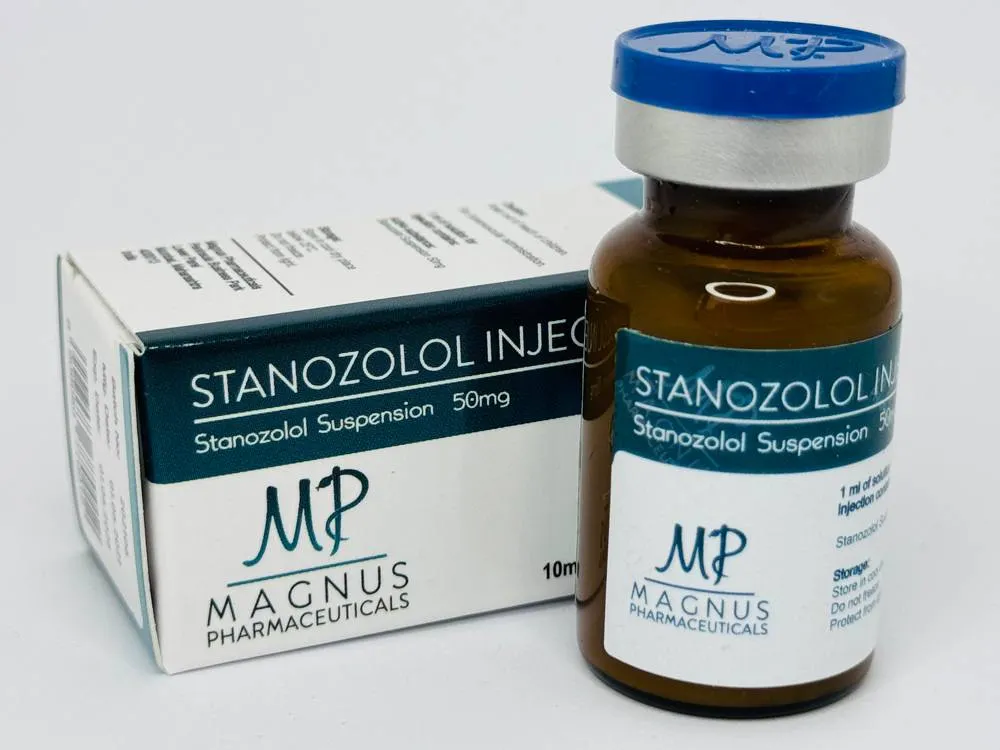
Anabolic Steroid (Oral)
17α‑Methyl‑dihydrotestosterone
17α-Methyl-dihydrotestosterone, widely recognized as Stanozolol or Winstrol, is a potent anabolic-androgenic steroid derived from dihydrotestosterone. Classified as an Anabolic Steroid (Injectable) in this context, it is primarily utilized in research settings for its distinct ability to promote lean muscle accrual without significant water retention. Unlike many bulk-focused compounds, Stanozolol is favored by athletes and performance researchers for its capacity to enhance hardness and vascularity. While oral forms are common, the injectable variant offers a stable delivery system for those seeking precise dosing control. This profile makes it a standard component in cutting cycles and strength-focused protocols, where maintaining a dry physique is a priority. Users typically integrate it into structured research plans to observe its effects on nitrogen retention and protein synthesis.
Drug Class
Anabolic Steroid (Oral)
All Products
1 products
Legal status
Research compound (not FDA approved)
All Products — 17α‑Methyl‑dihydrotestosterone
How Stanozolol Works
Stanozolol functions by binding to androgen receptors in muscle tissue, facilitating increased protein synthesis and nitrogen retention. As a DHT-derived anabolic steroid, it exhibits high anabolic activity relative to its androgenic potential, though it remains significantly androgenic compared to milder compounds. The 17-alpha-alkylation modification allows the molecule to survive first-pass metabolism, a feature shared by both oral and injectable forms. This structural characteristic means that hepatic strain is a relevant consideration regardless of the administration route, as the liver processes the alkylated molecule. In research contexts, the compound is noted for its ability to enhance the efficiency of the body’s anabolic processes without the substantial fluid retention associated with esters like testosterone enanthate. This results in a more defined appearance, often described as a 'dry' look. The mechanism does not involve altering fat metabolism directly but rather optimizing the muscle-building environment, which indirectly supports leanness by preserving lean mass during caloric deficits.
Typical Research Applications
In athletic research, Stanozolol is predominantly associated with cutting phases and strength enhancement. It is rarely used for mass bulking due to its limited capacity to drive significant weight gain, as it does not promote water retention. Instead, researchers and athletes typically employ it to sharpen muscle definition and improve vascularity. The compound is also popular in strength-focused cycles because it may enhance explosive power without the bloating effect of other steroids. A common application is stacking Stanozolol with testosterone to maintain hormonal balance while leveraging its anabolic benefits. Some protocols use it as a standalone agent for short-term research into its effects on lean mass preservation. It is not recommended for recomposition cycles where significant fat loss and muscle gain are simultaneous goals, as its primary utility lies in maintaining muscle while reducing body fat. The injectable form is chosen by those who prefer avoiding daily oral dosing and want a more predictable blood level, although the pharmacokinetic profile remains similar to the oral counterpart regarding androgenic activity.
Dosage Ranges and Cycle Length
Research protocols for Stanozolol typically range from 250 mg to 500 mg per week. For intermediate users, a conservative starting dose of 250 mg/week is commonly cited to assess tolerance and androgenic response. Advanced users may increase this to 400-500 mg/week, though doses exceeding 500 mg/week are generally discouraged due to the heightened risk of side effects. Cycle length is usually short, ranging from 4 to 6 weeks, to minimize cumulative androgenic and hepatic stress. When using the injectable form, dosing is often split into two injections per week to maintain stable plasma levels. It is crucial that any dosage schedule is arithmetically consistent; for example, 50 mg every other day equates to approximately 175 mg/week, which is below the standard therapeutic range. Therefore, most protocols specify total weekly amounts rather than daily splits for simplicity. Prolonged use beyond 6 weeks is not standard in research settings due to the compounding nature of androgenic side effects and the need for post-cycle therapy to restore natural hormone production.
Side Effects and Safety Considerations
The side effect profile of Stanozolol is heavily influenced by its androgenic nature. Commonly reported effects include acne, increased body hair growth, and potential hair loss in genetically predisposed individuals. Because it is a 17-alpha-alkylated compound, hepatotoxicity is a significant safety consideration, even for the injectable form, as the liver must metabolize the alkylated structure. Users should monitor liver enzymes (ALT, AST) via blood work before and during use. Cardiovascular effects, such as decreased HDL cholesterol and increased LDL cholesterol, are also well-documented and may pose long-term health risks. Post-cycle therapy (PCT) is essential after any Stanozolol cycle to stimulate the hypothalamic-pituitary-gonadal axis and restore natural testosterone production. Standard PCT protocols often include selective estrogen receptor modulators (SERMs) like tamoxifen or clomiphene. Individuals under the age of 21 should avoid this compound due to the risk of premature epiphyseal closure and other developmental concerns. Regular blood pressure monitoring is also advised given the potential for fluid retention and cardiovascular strain.
Mechanism of action
Stanozolol binds to androgen receptors to enhance protein synthesis and nitrogen retention, while its 17-alpha-alkylation allows oral bioavailability but necessitates hepatic metabolism.
Questions & answers
Is injectable Stanozolol safer for the liver than oral?
No. Both forms are 17-alpha-alkylated, meaning the liver must metabolize the same structural modification. Injectable Stanozolol does not bypass hepatic processing in a way that eliminates liver strain, so monitoring is required for both routes.
What is the standard cycle length for Stanozolol research?
Most research protocols recommend a cycle length of 4 to 6 weeks. Longer cycles are generally avoided due to the cumulative androgenic effects and the increased risk of cardiovascular and hepatic stress over time.
Can Stanozolol be used for bulking purposes?
It is not ideal for bulking. Stanozolol is primarily used for cutting and strength because it promotes lean mass without water retention. It does not drive significant weight gain or fluid retention like other anabolic steroids.
What post-cycle therapy is recommended after Stanozolol?
PCT is necessary to restore natural testosterone production. Common protocols include SERMs such as tamoxifen or clomiphene, started immediately after the cycle ends. Blood work is recommended to assess hormonal recovery and liver function.
Does Stanozolol cause water retention?
No, Stanozolol is known for its 'dry' effects. It does not promote water retention, which is why it is popular in cutting phases. This lack of fluid retention helps in achieving a more defined and vascular appearance.
Related anabolic steroid (oral)s
4‑Chlorodehydromethyl Testosterone
4‑Chlorodehydromethyl Testosterone is the active compound in 2 products in the SynthesisGe…
View →Anadrol
Anadrol is the active compound in 2 products in the SynthesisGear catalogue (also known as…
View →Anavar
Anavar is the active compound in 3 products in the SynthesisGear catalogue (also known as …
View →Chlorodehydromethyltestosterone
Chlorodehydromethyltestosterone is the active compound in 2 products in the SynthesisGear …
View →