
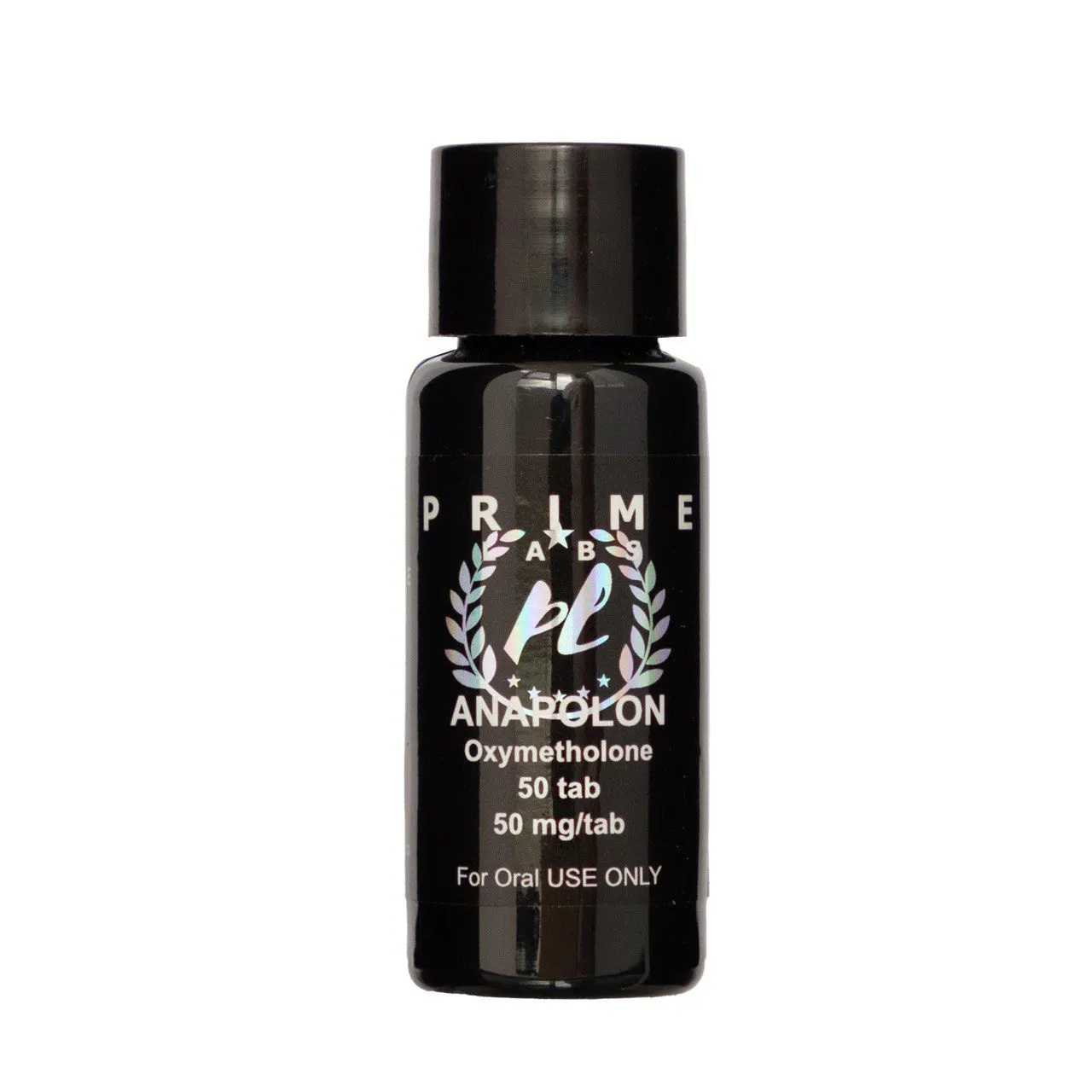
Anabolic Steroid (Oral)
Oxymetholone
Oxymetholone is a potent 17-alpha-alkylated oral anabolic steroid, widely recognized in performance research circles by brand names such as Anadrol and Anapolon. As a derivative of dihydrotestosterone, it is primarily investigated for its significant impact on nitrogen retention and red blood cell production. Athletes and researchers typically utilize this compound during aggressive mass-gaining phases due to its rapid onset of action. However, its potent nature necessitates strict adherence to safety protocols, including comprehensive blood work and post-cycle therapy. This guide outlines the pharmacological profile, typical usage patterns, and critical safety considerations for oxymetholone in controlled research environments.
Drug Class
Anabolic Steroid (Oral)
All Products
2 products
Legal status
Controlled substance (Schedule III)
All Products — Oxymetholone
Oral Steroids
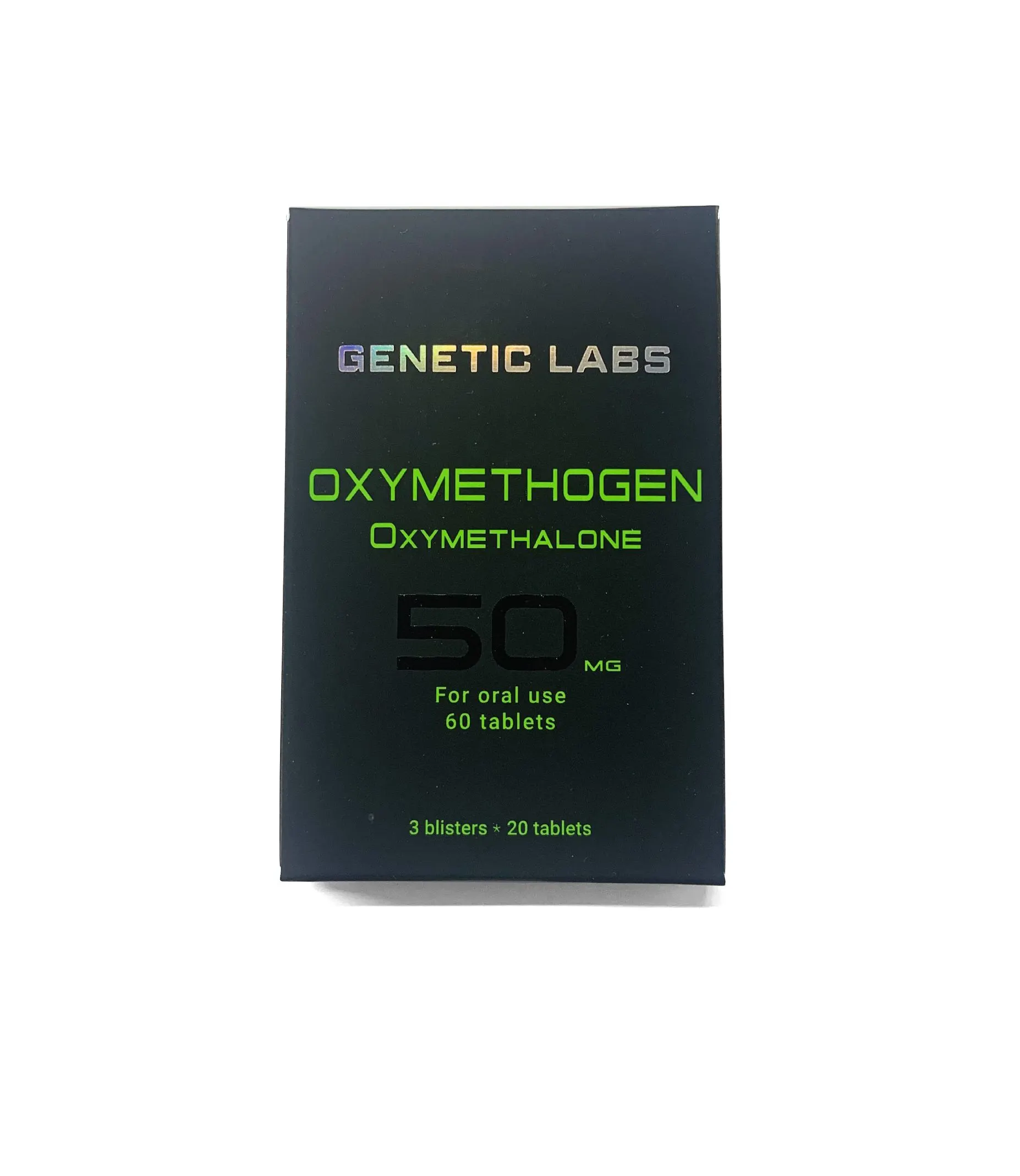
Oxymethogen 60tab/50mg Oxymetholone – Genetic Labs
Genetic Labs
€64.35 €71.50
Save €7.00
How Oxymetholone Works
Oxymetholone functions by binding to androgen receptors in muscle tissue, stimulating protein synthesis and inhibiting protein catabolism. As a 17-alpha-alkylated compound, it is modified to survive first-pass metabolism in the liver, allowing for oral bioavailability. This structural modification, however, places significant metabolic load on hepatic enzymes. The compound also increases erythropoietin production, leading to elevated red blood cell counts and improved oxygen delivery to tissues. Users report a rapid increase in strength and lean mass, often within the first two weeks of administration. The mechanism is distinct from milder steroids due to its high anabolic-to-androgenic ratio, which drives substantial water retention alongside muscle growth. Understanding this dual effect is crucial for managing body composition and cardiovascular strain during research cycles.
Typical Research Applications
In athletic research contexts, oxymetholone is predominantly associated with bulking cycles rather than cutting or recomp phases. Its rapid onset makes it a popular choice for short-term mass gains, often stacked with other anabolic agents to maximize nitrogen retention. Researchers typically employ it in the early stages of a bulk to jumpstart progress. Due to its strong androgenic properties, it is frequently avoided by individuals prone to androgenic side effects. The compound is rarely used in isolation for long periods because of its hepatotoxic potential. Instead, it serves as a potent accelerator in multi-compound protocols. Athletes report significant strength increases, particularly in compound lifts like squats and deadlifts. The application is strictly limited to advanced users who can monitor their health markers closely and manage the associated physiological changes effectively.
Dosage Ranges and Cycle Length
Standard research protocols for oxymetholone typically range from 25 mg to 50 mg per day. Intermediate users often start at the lower end to assess tolerance, while advanced athletes may utilize the higher range for shorter durations. Cycle lengths are generally kept brief, lasting between 4 to 6 weeks, to mitigate liver stress. Extending usage beyond six weeks is uncommon due to the cumulative hepatotoxic risk. Dosage consistency is critical; splitting the daily dose into two administrations may help manage blood pressure spikes and water retention. It is essential to pair this dosage with a robust post-cycle therapy (PCT) protocol to restore natural testosterone production. Researchers emphasize that higher doses do not linearly increase benefits but significantly amplify side effects. Monitoring liver enzymes and blood pressure weekly is mandatory when using this dosage range.
Side Effects and Safety Considerations
The side effect profile of oxymetholone is aggressive and requires vigilant monitoring. Hepatotoxicity is the primary concern, as the 17-alpha-alkylation strains liver function; users must undergo regular liver function tests (LFTs). Cardiovascular risks include elevated blood pressure and increased hematocrit levels, which can thicken the blood and raise clotting risk. Androgenic side effects such as acne, hair loss, and virilization in women are common. Water retention can be substantial, leading to bloating and potential joint discomfort. Post-cycle therapy is non-negotiable, typically involving selective estrogen receptor modulators (SERMs) like tamoxifen or clomiphene to recover hypothalamic-pituitary-gonadal axis function. Users should avoid alcohol and other hepatotoxic substances during the cycle. Discontinuation should be immediate if severe liver distress or uncontrolled hypertension occurs.
Mechanism of action
Oxymetholone binds to androgen receptors to stimulate protein synthesis and erythropoiesis, while its 17-alpha-alkylation enables oral bioavailability at the cost of increased hepatic metabolic load.
Questions & answers
What is the standard cycle length for oxymetholone?
Research protocols typically limit oxymetholone cycles to 4-6 weeks. Longer durations significantly increase the risk of hepatotoxicity and cardiovascular strain. Most athletes use it as a short-term booster within a larger bulking stack rather than as a standalone long-term agent.
Does oxymetholone require post-cycle therapy?
Yes, PCT is essential. Oxymetholone strongly suppresses natural testosterone production. A standard PCT protocol using SERMs like tamoxifen or clomiphene is required to restore the hypothalamic-pituitary-gonadal axis and prevent long-term hormonal imbalance after the cycle ends.
How does oxymetholone affect liver health?
As a 17-alpha-alkylated oral steroid, oxymetholone places significant stress on the liver. Users must monitor liver enzymes (ALT, AST) regularly. Avoiding alcohol and other hepatotoxic compounds is critical to minimize the risk of liver damage during the research cycle.
Can oxymetholone be used for cutting purposes?
No, it is rarely used for cutting. Oxymetholone causes significant water retention and weight gain, which is counterproductive for a lean cut. It is primarily an agent for mass gain and strength increases during bulking phases.
What blood work is recommended during use?
Comprehensive blood work is mandatory. Key markers include liver function tests (ALT, AST, GGT), lipid panels, hematocrit, and blood pressure. Monitoring these metrics weekly or bi-weekly allows researchers to detect adverse reactions early and adjust the protocol or discontinue use if necessary.
Related anabolic steroid (oral)s
17α‑Methyl‑dihydrotestosterone
17α‑Methyl‑dihydrotestosterone is the active compound in 1 product in the SynthesisGear ca…
View →4‑Chlorodehydromethyl Testosterone
4‑Chlorodehydromethyl Testosterone is the active compound in 2 products in the SynthesisGe…
View →Anadrol
Anadrol is the active compound in 2 products in the SynthesisGear catalogue (also known as…
View →Anavar
Anavar is the active compound in 3 products in the SynthesisGear catalogue (also known as …
View →