
Fat Burner / Thermogenic
Triiodothyronine
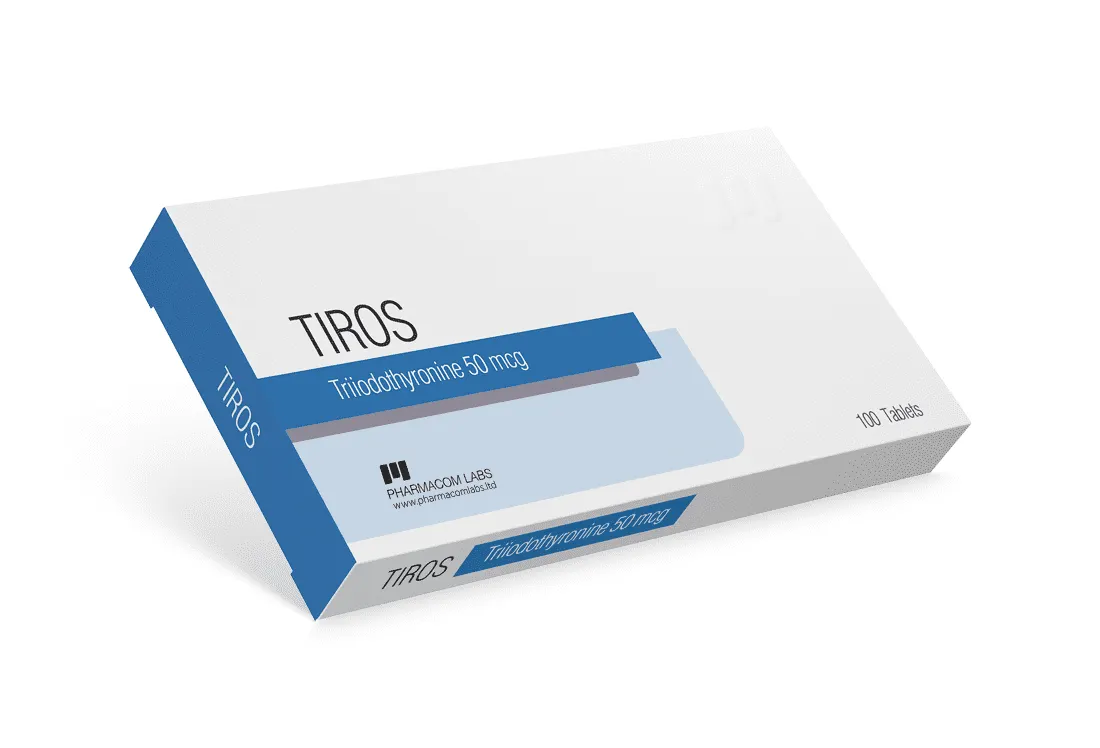
Triiodothyronine, commonly known as T3 or sold under brand names like Cytomel, is a potent thyroid hormone rather than a traditional anabolic steroid. In the context of performance research, it is classified as a thermogenic agent used to modulate metabolic rate and body composition. Unlike synthetic compounds that alter hormonal balance directly, T3 acts on existing physiological pathways to increase basal metabolic rate (BMR). Users typically employ it during cutting phases to accelerate fat loss, though its potency requires careful management. This compound is not a fat burner in the stimulant sense; it is a hormone that dictates cellular energy expenditure. Due to its narrow therapeutic window, precise dosing is critical to avoid systemic toxicity. Research interest in T3 focuses on its ability to enhance metabolic efficiency without the water retention often associated with other performance-enhancing agents.
Drug Class
Fat Burner / Thermogenic
All Products
1 products
Legal status
Prescription-only medicine (Rx)
All Products — Triiodothyronine
How Triiodothyronine Works
Triiodothyronine is the biologically active form of thyroid hormone, binding directly to nuclear thyroid receptors in nearly every tissue. This binding alters gene expression, leading to increased production of mitochondrial proteins and enzymes involved in oxidative phosphorylation. The result is a measurable rise in basal metabolic rate, meaning the body burns more calories at rest. Unlike stimulants that affect the sympathetic nervous system, T3 works at the cellular level to increase oxygen consumption and heat production (thermogenesis). It also influences protein turnover, often promoting a catabolic state if not paired with adequate protein intake. Because it is the active hormone, it has a faster onset and shorter half-life than T4 (levothyroxine). Users report that T3 affects not just fat loss but also energy levels, body temperature, and heart rate. The mechanism is direct and physiological, making it highly responsive to dosage changes. Misunderstanding this mechanism often leads to over-dosing, as the body cannot easily downregulate exogenous T3 levels without significant time.
Typical Research Applications
In athletic research contexts, Triiodothyronine is primarily utilized during cutting phases to enhance fat loss when caloric deficits plateau. It is rarely used during bulking cycles due to its catabolic potential and the risk of muscle protein breakdown. Some advanced users incorporate low-dose T3 during recomposition phases to maintain metabolic rate while in a slight deficit. It is not a strength enhancer; in fact, excessive use may impair recovery and strength output due to increased catabolism. The compound is often stacked with other agents, but its unique role is metabolic modulation. Athletes typically use it to break through stubborn fat stores, particularly in areas resistant to diet and training. It is not recommended for beginners due to the complexity of monitoring thyroid function. The application is strictly metabolic, focusing on energy expenditure rather than direct muscle growth or fat storage inhibition. Users must understand that T3 does not suppress appetite; it increases energy burn, which can lead to increased hunger if not managed.
Dosage Ranges + Cycle Length
Dosing Triiodothyronine requires extreme precision, as the therapeutic window is narrow. Typical research protocols range from 12.5 mcg to 25 mcg per day for intermediate users, while advanced users may go up to 37.5 mcg. Starting lower is essential to assess individual sensitivity. The standard cycle length is 4 to 8 weeks, though some users run shorter 2-3 week pulses. Dosing is usually taken in the morning on an empty stomach to maximize absorption and mimic natural circadian peaks. Splitting the dose (e.g., 12.5 mcg morning, 12.5 mcg afternoon) can help manage side effects like jitteriness or heart rate elevation. It is crucial to taper off rather than stop abruptly, as sudden cessation can lead to a significant drop in metabolic rate. Blood work is mandatory to monitor TSH, Free T3, and Free T4 levels. Exceeding 25 mcg daily is considered high-risk and is generally reserved for those with established tolerance and medical supervision. Consistency in timing is more important than slight dose variations.
Side Effects + Safety Considerations
The side effect profile of Triiodothyronine is directly related to its potency and the risk of inducing hyperthyroidism. Common effects include increased heart rate, elevated body temperature, insomnia, anxiety, and tremors. More severe risks include cardiac arrhythmias, muscle wasting, and bone density loss with prolonged use. Because T3 suppresses TSH, it can interfere with the natural feedback loop of the hypothalamic-pituitary-thyroid axis. Post-cycle therapy (PCT) is not standard for T3, but monitoring thyroid recovery is essential. Users should undergo blood work before, during, and after the cycle to ensure hormone levels return to baseline. Contraindications include pre-existing cardiac conditions, uncontrolled hypertension, and anxiety disorders. It is not recommended for individuals under 21 or those with a history of thyroid disorders. Hydration and electrolyte balance are also important, as increased metabolic rate can lead to faster fluid loss. Always consult with a healthcare professional before using thyroid hormones, as they are potent prescription medications with significant systemic effects.
Mechanism of action
Triiodothyronine binds to nuclear thyroid receptors, altering gene expression to increase mitochondrial activity and basal metabolic rate, thereby enhancing thermogenesis and energy expenditure.
Questions & answers
Is Triiodothyronine the same as Levothyroxine?
No, Triiodothyronine (T3) is the active form of thyroid hormone, while Levothyroxine (T4) is the inactive precursor that the body converts to T3. T3 acts faster and is more potent, making it more difficult to dose safely without monitoring.
Can T3 be used for bulking purposes?
Generally, no. T3 is catabolic and increases metabolic rate, which can hinder muscle gain. It is primarily used for cutting or recomposition. Using it during a bulking phase may lead to muscle loss and increased hunger, making progress difficult.
How long does it take for T3 to work?
Effects can be felt within 24 to 48 hours due to its short half-life. Full metabolic adaptation may take several days. Users typically notice changes in energy levels, body temperature, and appetite within the first week of consistent use.
What blood work is required when using T3?
Essential tests include TSH, Free T3, Free T4, and a complete metabolic panel. Monitoring these levels ensures the dose is effective without causing hyperthyroidism. Testing should occur before starting, mid-cycle, and after discontinuation to confirm recovery.
Does T3 suppress natural thyroid production?
Yes, exogenous T3 suppresses TSH production via negative feedback. This can lead to a temporary suppression of natural thyroid function. Tapering off slowly and monitoring TSH levels post-cycle is critical to ensure the body resumes normal hormone production.
Related fat burner / thermogenics
Cardarine
Cardarine is the active compound in 1 product in the SynthesisGear catalogue (also known a…
View →Clenbuterol
Clenbuterol is the active compound in 5 products in the SynthesisGear catalogue (also know…
View →Clenbuterol Hydrochloride
Clenbuterol Hydrochloride is the active compound in 1 product in the SynthesisGear catalog…
View →drostanolone
drostanolone is the active compound in 1 product in the SynthesisGear catalogue (also know…
View →