
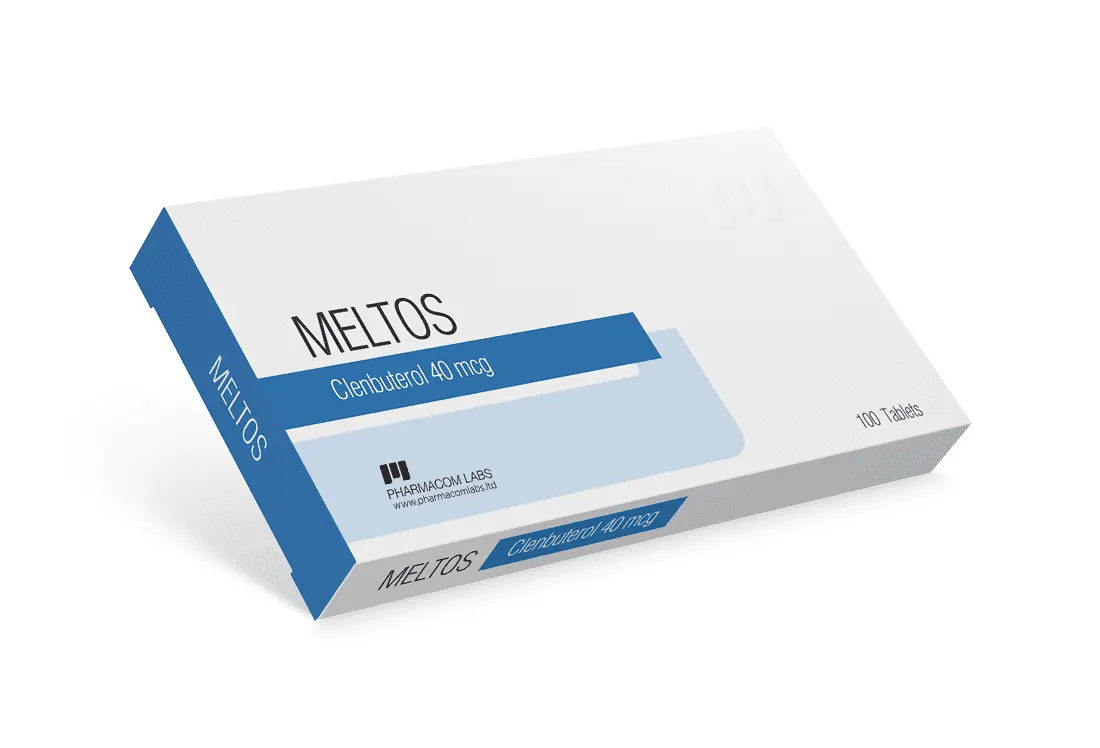
Fat Burner / Thermogenic
Clenbuterol Hydrochloride
Clenbuterol Hydrochloride is a beta-2 adrenergic agonist classified as a thermogenic agent, distinct from anabolic steroids due to its lack of androgenic activity. In research and athletic contexts, it is primarily utilized for fat loss and metabolic enhancement during cutting phases. While often marketed under names like Clen-Act or Clenbutol, users typically employ it to accelerate lipolysis and preserve lean mass in a caloric deficit. This compound acts as a sympathomimetic amine, stimulating thermogenesis without directly altering hormonal axes, making it a popular adjunct in performance research protocols for body composition manipulation.
Drug Class
Fat Burner / Thermogenic
All Products
1 products
Legal status
Research compound (not FDA approved)
All Products — Clenbuterol Hydrochloride
How Clenbuterol Hydrochloride Works
Clenbuterol Hydrochloride functions by binding to beta-2 adrenergic receptors in adipose tissue and skeletal muscle. This interaction triggers a cascade of intracellular signaling that increases cyclic AMP levels, ultimately stimulating lipolysis and thermogenesis. Unlike anabolic steroids, it does not bind to androgen receptors, meaning it has no direct effect on muscle protein synthesis or nitrogen retention. Instead, it elevates the basal metabolic rate, causing the body to burn more calories at rest. Users report that this mechanism helps mobilize stored fat for energy, particularly in stubborn areas. The compound also exhibits mild bronchodilatory effects, which is why it is sometimes prescribed for respiratory conditions in veterinary medicine. However, in performance research, the primary focus remains on its ability to enhance metabolic output and fat oxidation without the water retention commonly associated with hormonal agents.
Typical Research Applications
In the context of bodybuilding and strength athletics, Clenbuterol Hydrochloride is predominantly used during cutting cycles to maximize fat loss while preserving lean tissue. It is rarely used during bulking phases due to its catabolic potential in the absence of a caloric surplus. Athletes typically introduce it after 4-6 weeks of a standard cutting diet to break through plateaus. Some researchers combine it with thyroid hormones or stimulants, though this increases the risk profile. It is not a substitute for dietary discipline or training intensity. Users report that it can help maintain energy levels and focus during caloric restriction, although individual tolerance varies significantly. The compound is often cycled to mitigate receptor downregulation, a phenomenon where the body becomes less responsive to the drug over time. This cycling protocol is crucial for maintaining efficacy and minimizing side effects.
Dosage Ranges and Cycle Length
Research protocols for Clenbuterol Hydrochloride typically start at low doses to assess tolerance. Intermediate users often begin with 20-40 mcg per day, gradually increasing to 80-120 mcg over several weeks. Advanced users may reach 140-160 mcg, though doses above this range offer diminishing returns and significantly increased side effects. A common cycling strategy involves 2 weeks on and 2 weeks off to prevent beta-receptor desensitization. Some protocols use a 2-on/1-off schedule. The total cycle length is usually 8-12 weeks, after which a break is recommended. It is essential to start low and titrate slowly, as individual sensitivity to sympathomimetics varies. Users should monitor heart rate and blood pressure regularly, as these metrics can indicate excessive dosing. Consistency in dosing timing, typically in the morning, helps manage sleep disturbances.
Side Effects and Safety Considerations
The side effect profile of Clenbuterol Hydrochloride is primarily cardiovascular and neurological. Common effects include tremors, increased heart rate, and insomnia, which often diminish with tolerance. More serious risks include cardiac hypertrophy and arrhythmias, particularly in individuals with pre-existing heart conditions. Electrolyte imbalances, specifically hypokalemia, can occur, necessitating potassium supplementation. Users should monitor blood pressure and heart rate regularly. While it does not require PCT like anabolic steroids, its impact on the cardiovascular system warrants caution. Individuals over 40 or with a history of heart disease should avoid use. Blood work should include electrolyte panels and cardiac markers. Discontinuation is recommended if severe palpitations or chest pain occur. This compound is not approved for human use in many jurisdictions, and users assume all associated risks.
Mechanism of action
Clenbuterol Hydrochloride acts as a beta-2 adrenergic receptor agonist, stimulating thermogenesis and lipolysis by increasing intracellular cyclic AMP levels, thereby elevating basal metabolic rate and fat oxidation without androgenic activity.
Questions & answers
Is Clenbuterol Hydrochloride an anabolic steroid?
No, it is a beta-2 adrenergic agonist, not an anabolic steroid. It does not bind to androgen receptors or directly increase muscle protein synthesis. Its primary mechanism involves stimulating thermogenesis and lipolysis, making it a thermogenic agent rather than a hormonal anabolic compound.
What is the recommended starting dose for beginners?
Beginners should start with 20-40 mcg per day to assess tolerance. This low dose allows users to gauge their sensitivity to side effects like tremors and increased heart rate before gradually increasing the dosage over subsequent weeks.
Does Clenbuterol cause water retention?
No, Clenbuterol does not cause water retention. In fact, it is often used to reduce subcutaneous water, contributing to a more defined appearance. This lack of water retention is a key reason for its popularity in cutting cycles.
How long should a Clenbuterol cycle last?
Typical cycles last 8-12 weeks, often structured with breaks to prevent receptor downregulation. A common protocol is 2 weeks on and 2 weeks off. Extending use beyond 12 weeks without a break significantly increases the risk of cardiac side effects.
Can Clenbuterol be used during a bulking phase?
It is generally not recommended during bulking phases due to its catabolic potential. In a caloric surplus, the thermogenic effect may not outweigh the risk of muscle tissue breakdown. It is most effective during caloric deficits for fat loss.
Related fat burner / thermogenics
Cardarine
Cardarine is the active compound in 1 product in the SynthesisGear catalogue (also known a…
View →Clenbuterol
Clenbuterol is the active compound in 5 products in the SynthesisGear catalogue (also know…
View →drostanolone
drostanolone is the active compound in 1 product in the SynthesisGear catalogue (also know…
View →GTx‑024
GTx‑024 is the active compound in 1 product in the SynthesisGear catalogue (also known as …
View →