
Fat Burner / Thermogenic
Cardarine
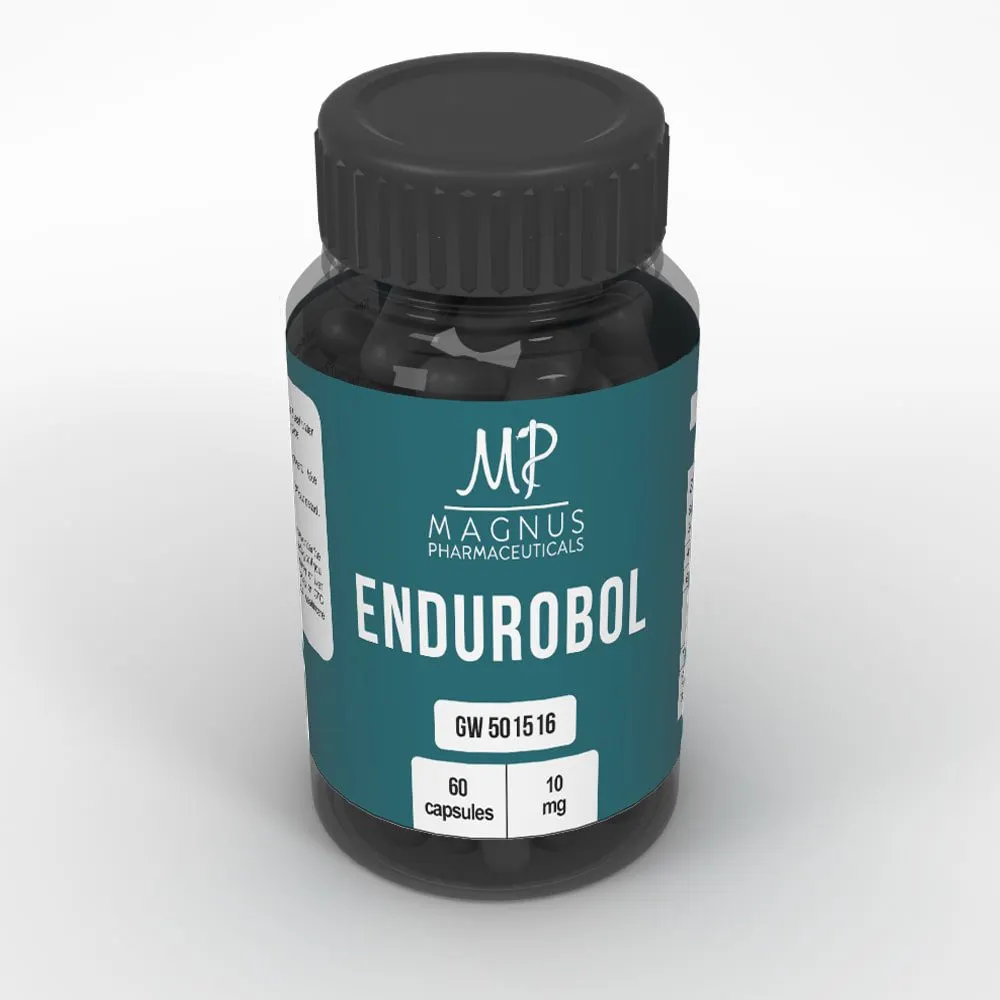
Cardarine, chemically designated as GW-501516, is a synthetic compound frequently categorized under the SARM umbrella, though it is technically a PPAR-delta agonist. Unlike traditional anabolic steroids, it does not bind to androgen receptors. In research and athletic contexts, Cardarine is primarily investigated for its metabolic effects, specifically fat oxidation and endurance capacity. Brands such as Endurabol and Endurabol Elite market it as a standalone performance enhancer. Users typically employ it during cutting phases or to improve recovery without the suppressive effects associated with steroidal agents. This profile makes it a distinct tool for researchers exploring non-steroidal performance optimization.
Drug Class
Fat Burner / Thermogenic
All Products
1 products
Legal status
Research compound (not FDA approved)
All Products — Cardarine
How Cardarine works
The primary mechanism of Cardarine involves the activation of peroxisome proliferator-activated receptor delta (PPAR-δ). This nuclear receptor regulates gene expression related to fatty acid oxidation and mitochondrial biogenesis. By stimulating PPAR-δ, GW-501516 enhances the body's ability to utilize fat as a primary fuel source. This shift in metabolic preference allows for increased endurance and reduced reliance on glycogen stores during prolonged activity. Unlike SARMs that mimic testosterone, Cardarine operates through a completely different signaling pathway. It does not increase muscle protein synthesis directly but supports the metabolic environment that facilitates fat loss. This unique pharmacology explains why it is often stacked with traditional anabolic agents rather than used as a standalone muscle builder. The compound's ability to upregulate AMP-activated protein kinase (AMPK) further contributes to its metabolic profile, promoting energy expenditure and oxidative stress resistance in muscle tissue.
Typical research applications
In performance research, Cardarine is predominantly utilized for cutting and recomposition goals. Athletes often incorporate it to enhance fat loss while preserving lean mass, particularly when caloric intake is restricted. It is rarely used for pure bulking phases, as its anabolic properties are negligible compared to steroidal compounds. Instead, it serves as a metabolic adjunct. Many users report improved cardiovascular endurance and faster recovery times when Cardarine is included in their protocol. It is frequently stacked with SARMs like LGD-4033 or Ostarine to combine muscle-preserving effects with enhanced fat oxidation. The compound is also investigated for its potential to improve insulin sensitivity and lipid profiles. Because it does not suppress natural testosterone production, it is not followed by a Post Cycle Therapy (PCT) regimen. This makes it a popular choice for those seeking metabolic benefits without the hormonal disruption associated with other performance-enhancing compounds.
Dosage ranges + cycle length
Research protocols for Cardarine typically range from 10 mg to 20 mg per day. Most users report optimal results at the higher end of this spectrum, specifically 20 mg daily. The compound is generally taken orally, often split into two doses to maintain stable blood levels. Cycle length for GW-501516 usually spans 8 to 12 weeks. There is no established need for a break after a 12-week cycle, though some researchers extend usage up to 16 weeks. Stacking with other compounds does not alter the recommended Cardarine dosage. It is important to note that higher doses, such as 30 mg or more, have not been extensively studied in human trials and may increase the risk of side effects. Consistency is key, as the metabolic effects of Cardarine build over time. Users should monitor their response and adjust within the 10-20 mg range based on individual tolerance and goals. Always source from reputable vendors to ensure purity and accurate labeling.
Side effects + safety considerations
While Cardarine is generally considered well-tolerated, safety data remains limited in human subjects. Preclinical studies in rodent models raised concerns regarding potential carcinogenicity, specifically in the liver, colon, and thyroid. These findings have led to the discontinuation of its development for human therapeutic use. However, no definitive link to cancer has been established in human users. Commonly reported side effects include gastrointestinal discomfort, such as nausea or diarrhea, particularly at higher doses. Some users report mild headaches or fatigue. Because Cardarine does not affect the hypothalamic-pituitary-gonadal axis, it does not require PCT. Nevertheless, regular blood work is advisable to monitor liver enzymes and lipid profiles. Individuals with pre-existing liver conditions or a history of cancer should exercise extreme caution. As with all research compounds, long-term safety data is lacking, and users should proceed with informed consent and careful monitoring.
Mechanism of action
Cardarine activates PPAR-delta receptors, upregulating AMPK and C/EBPα to enhance fatty acid oxidation and mitochondrial biogenesis, thereby increasing metabolic rate and endurance capacity without androgenic activity.
Questions & answers
Is Cardarine a true SARM or a PPAR agonist?
Cardarine is technically a PPAR-delta agonist, not a Selective Androgen Receptor Modulator. It does not bind to androgen receptors. It is marketed as a SARM due to its non-steroidal nature and performance-enhancing potential, but its mechanism of action is fundamentally different from traditional SARMs.
Does Cardarine suppress natural testosterone production?
No, Cardarine does not suppress natural testosterone production. It operates through the PPAR-delta pathway, which is independent of the androgen receptor. Therefore, users do not require a Post Cycle Therapy (PCT) after completing a Cardarine cycle.
What is the recommended daily dosage for Cardarine?
The typical research dosage for Cardarine is 10 to 20 mg per day. Most users report optimal results at 20 mg daily. The dose can be taken all at once or split into two 10 mg doses to maintain stable blood levels.
Can Cardarine be stacked with other SARMs?
Yes, Cardarine is frequently stacked with SARMs like LGD-4033 or Ostarine. This combination allows users to benefit from the muscle-preserving effects of SARMs while leveraging the fat-oxidation and endurance benefits of Cardarine. The standard Cardarine dosage remains unchanged when stacked.
Are there significant safety concerns with Cardarine?
Preclinical studies in rodents showed potential carcinogenic effects, leading to the halt of its development for human use. Human data is limited, but users generally report good tolerability. Regular blood work to monitor liver enzymes is recommended, and individuals with pre-existing health conditions should consult a healthcare professional.
Related fat burner / thermogenics
Clenbuterol
Clenbuterol is the active compound in 5 products in the SynthesisGear catalogue (also know…
View →Clenbuterol Hydrochloride
Clenbuterol Hydrochloride is the active compound in 1 product in the SynthesisGear catalog…
View →drostanolone
drostanolone is the active compound in 1 product in the SynthesisGear catalogue (also know…
View →GTx‑024
GTx‑024 is the active compound in 1 product in the SynthesisGear catalogue (also known as …
View →