
Peptide / Growth Hormone
LGD‑4033
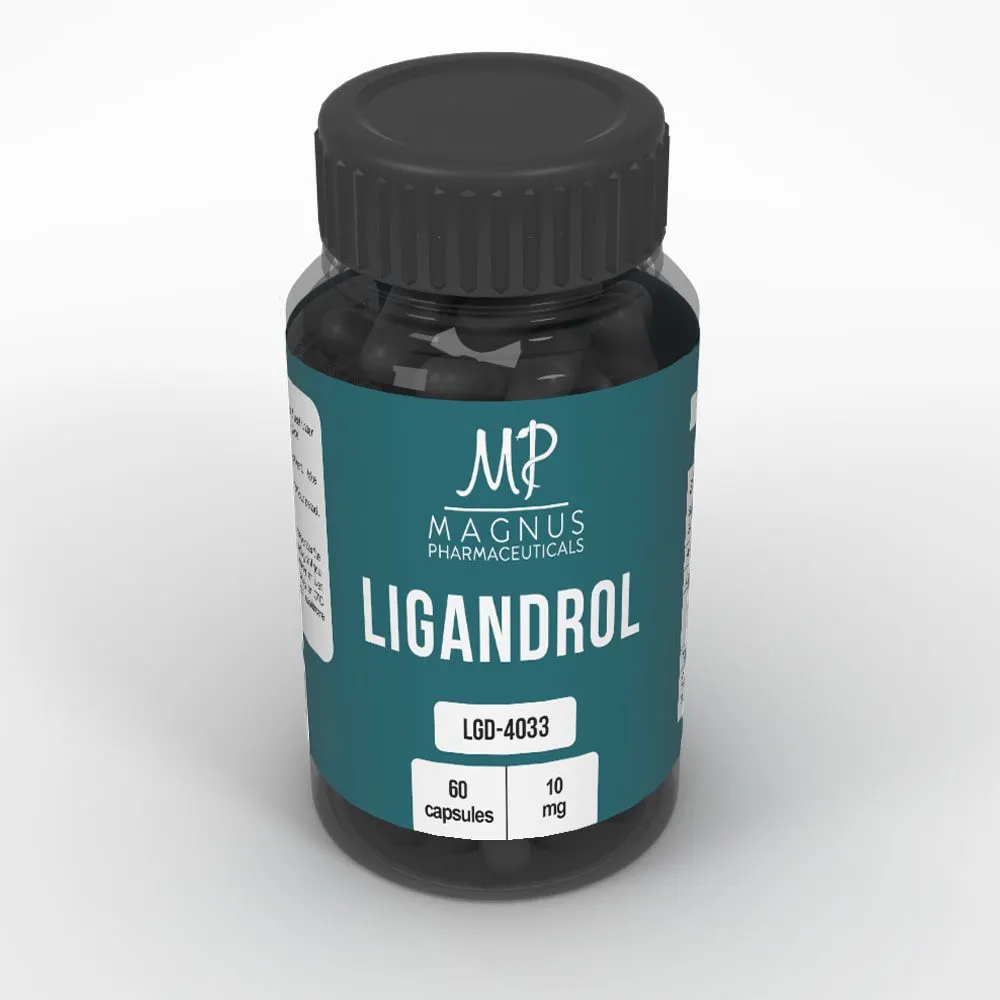
LGD-4033, frequently referred to as Ligandrol in performance research circles, is a selective androgen receptor modulator (SARM) developed for the study of muscle wasting conditions. Unlike traditional anabolic steroids, this compound targets androgen receptors in muscle and bone tissue with high selectivity, minimizing systemic androgenic effects. Athletes and researchers primarily investigate LGD-4033 for its potential to enhance lean mass accretion and strength without significant water retention. Brands such as LIGANDEL often market this specific ligand for controlled experimental use. This profile serves as an educational resource for understanding the pharmacological properties, typical dosing protocols, and safety considerations associated with this research compound, strictly for non-clinical, informational purposes.
Drug Class
Peptide / Growth Hormone
All Products
1 products
Legal status
Research compound (not FDA approved)
All Products — LGD‑4033
How LGD-4033 Works
LGD-4033 functions as a selective androgen receptor modulator, binding to androgen receptors with high affinity. Its primary mechanism involves stimulating protein synthesis and inhibiting muscle protein breakdown, leading to net muscle accretion. Research indicates it has a favorable anabolic-to-androgenic ratio, meaning it promotes muscle growth while exhibiting lower androgenic side effects compared to classic steroids. The compound also demonstrates significant osteogenic activity, enhancing bone mineral density and strength. Users report that LGD-4033 interacts with the hypothalamic-pituitary-testicular axis, suppressing natural testosterone production, although typically less severely than 17-alpha-alkylated oral steroids. The half-life is approximately 24 hours, supporting once-daily dosing regimens in research protocols. Its selectivity makes it a subject of intense interest in studying the dissociation of anabolic and androgenic effects in human physiology.
Typical Research Applications
In performance research, LGD-4033 is predominantly utilized during cutting phases due to its ability to preserve lean mass while in a caloric deficit. Athletes often select this compound for its minimal impact on water retention, allowing for a more defined physique. It is also employed in recomp protocols where the goal is to increase strength and muscle density without significant weight gain. Some researchers use it as a milder alternative to traditional anabolic steroids for beginners entering the field of performance enhancement. Due to its strong osteogenic properties, LGD-4033 is sometimes investigated for its potential to support joint health and bone integrity during high-impact training. It is rarely used for pure bulking cycles because its anabolic potency is considered moderate compared to compounds like RAD-140 or Testosterone. The compound is often stacked with other SARMs or mild steroids to enhance overall anabolic signaling while managing side effect profiles.
Dosage Ranges and Cycle Length
Standard research protocols for LGD-4033 typically range from 5 mg to 10 mg per day. Intermediate users often start at 5 mg to assess individual tolerance and baseline hormonal response. Advanced athletes may increase the dose to 10 mg daily to maximize anabolic effects, though diminishing returns are observed at higher levels. Cycle lengths generally span 8 to 12 weeks, aligning with the compound's half-life and the time required for significant muscle adaptation. Longer cycles exceeding 12 weeks are uncommon in research settings due to increased suppression of the HPT axis. It is crucial to note that dosages above 10 mg per day are not well-documented in human studies and may increase the risk of side effects. Users should strictly adhere to these ranges to maintain a balance between efficacy and safety. Consistency in dosing is key, as LGD-4033 requires sustained exposure to achieve optimal receptor saturation.
Side Effects and Safety Considerations
While LGD-4033 is considered milder than traditional anabolic steroids, it is not side-effect free. The most significant concern is the suppression of natural testosterone production, which can lead to low libido, fatigue, and mood changes if not managed. Post-cycle therapy (PCT) is strongly recommended after any cycle exceeding 4 weeks to restore hormonal balance. Users should monitor blood work regularly, particularly lipid profiles, as LGD-4033 may adversely affect cholesterol levels, lowering HDL and raising LDL. Hepatic strain is generally low compared to oral steroids, but liver enzymes should still be tracked. Other reported side effects include mild acne, hair loss in predisposed individuals, and potential mood swings. Individuals with pre-existing cardiovascular or hepatic conditions should avoid using this compound. Always consult with a healthcare professional before beginning any research protocol involving LGD-4033 or any SARM.
Mechanism of action
LGD-4033 acts as a selective androgen receptor modulator, binding with high affinity to stimulate muscle protein synthesis and inhibit catabolism while exhibiting favorable anabolic-to-androgenic selectivity.
Questions & answers
Is LGD-4033 suitable for first-time SARM users?
Yes, LGD-4033 is often considered a beginner-friendly SARM due to its mild side effect profile and manageable testosterone suppression. However, users must still follow proper dosing protocols and consider post-cycle therapy to mitigate hormonal impacts effectively.
What is the recommended cycle length for Ligandrol?
Most research protocols suggest a cycle length of 8 to 12 weeks for LGD-4033. This duration allows for significant anabolic adaptations while minimizing the risk of severe hormonal suppression and other potential side effects.
Does LGD-4033 cause water retention like steroids?
No, LGD-4033 is known for its dry gains. It does not cause significant water retention, making it a popular choice for cutting cycles where a lean and defined physique is the primary goal.
Can LGD-4033 be stacked with other compounds?
Yes, LGD-4033 is frequently stacked with other SARMs like RAD-140 or mild anabolic steroids to enhance overall performance. However, stacking increases the complexity of side effect management and requires careful monitoring of hormonal health.
Is post-cycle therapy necessary after using LGD-4033?
Post-cycle therapy is highly recommended after any LGD-4033 cycle longer than 4 weeks. It helps restore natural testosterone production and mitigates potential side effects such as low libido and fatigue associated with hormonal suppression.
Related peptide / growth hormones
Andarine
Andarine is the active compound in 1 product in the SynthesisGear catalogue (also known as…
View →CJC-1295 with DAC
CJC-1295 with DAC is the active compound in 1 product in the SynthesisGear catalogue.…
View →Human Growth Hormone
Human Growth Hormone is the active compound in 2 products in the SynthesisGear catalogue (…
View →Ipamorelin
Ipamorelin is the active compound in 1 product in the SynthesisGear catalogue.…
View →