
Peptide / Growth Hormone
Human Growth Hormone
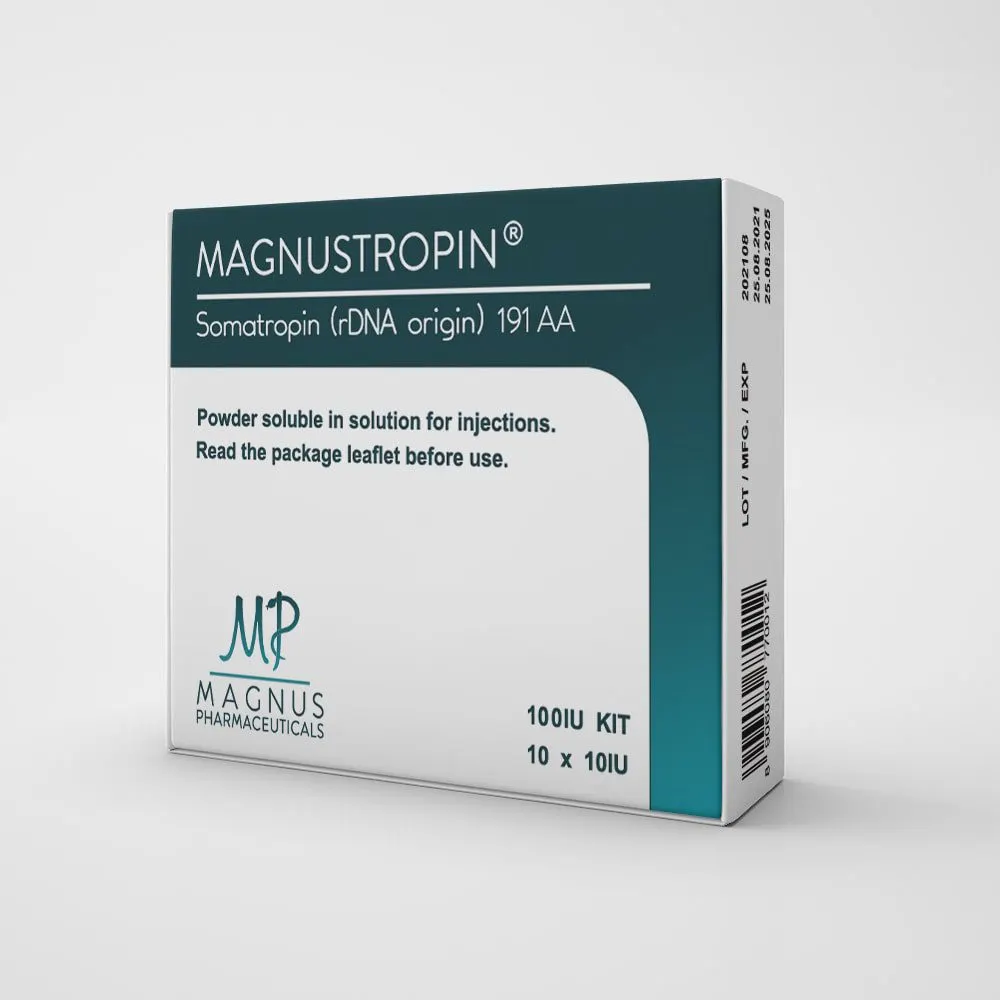
Human Growth Hormone, known scientifically as Somatropin, is a peptide hormone produced by the pituitary gland. In research and athletic contexts, it is primarily studied for its role in body composition optimization, tissue repair, and metabolic regulation. Unlike anabolic steroids, HGH does not bind to androgen receptors but acts through the IGF-1 pathway. Leading pharmaceutical brands such as Genotropin and Norditropin are commonly referenced in literature. This compound is typically administered via subcutaneous injection. Users report significant changes in skin quality, sleep depth, and lean mass retention. It is crucial to note that HGH is a potent peptide with specific regulatory and safety considerations. The following information is for educational purposes only and does not constitute medical advice.
Drug Class
Peptide / Growth Hormone
All Products
2 products
Legal status
Prescription-only medicine (Rx)
All Products — Human Growth Hormone
How HGH Works Mechanistically
Human Growth Hormone functions by binding to specific receptors on target cells, primarily in the liver, muscle, and adipose tissue. This binding triggers the JAK-STAT signaling pathway, leading to the production of Insulin-like Growth Factor 1, or IGF-1. IGF-1 mediates most of the anabolic effects of HGH, including protein synthesis and cell growth. Additionally, HGH directly influences lipolysis, the process of breaking down stored fat for energy. It also promotes glycogen sparing, which helps maintain stable blood sugar levels. The interaction between HGH and IGF-1 is complex and dose-dependent. At lower doses, the hormonal effects are more pronounced, while higher doses may shift the balance towards direct metabolic actions. Understanding this dual-action mechanism is essential for interpreting research outcomes. The half-life of injected HGH is short, typically around 20 to 30 minutes, necessitating frequent administration for sustained plasma levels.
Typical Research Applications
In research settings, HGH is often investigated for its potential to enhance recovery and body composition. Athletes and researchers frequently explore its use during cutting phases to preserve lean mass while reducing fat stores. The compound is also studied for its effects on joint health and skin elasticity, which are critical for long-term physical performance. Some protocols combine HGH with other peptides to assess synergistic effects on tissue repair. It is important to note that HGH is not a bulking agent in the traditional sense; it does not cause significant water retention or muscle hypertrophy on its own. Instead, it supports a cleaner, denser look. Research also focuses on the compound's impact on sleep quality and cognitive function. Users report improved sleep depth and faster recovery times. However, the efficacy of HGH can vary based on individual age, baseline levels, and training status. The compound is often used as a long-term support tool rather than a short-term cycle.
Dosage Ranges and Cycle Length
Dosage protocols for HGH vary significantly based on the research objective. For anti-aging and general wellness studies, doses typically range from 1 to 2 IU per day. In athletic research contexts, doses may range from 2 to 4 IU per day, often split into two injections to maintain stable blood levels. Higher doses exceeding 5 IU per day are generally considered supraphysiological and are associated with increased side effects. Cycle length for HGH is distinct from anabolic steroids; it is often used continuously for several months. A common research protocol involves a 12 to 24-week cycle. Some researchers use a pulse approach, taking HGH for 8 weeks followed by a 4-week break. It is crucial to monitor IGF-1 levels to ensure the dosage remains within a safe and effective range. Starting with the lowest effective dose is recommended to assess individual tolerance. The frequency of administration is usually once or twice daily, with morning and bedtime being common times.
Side Effects and Safety Considerations
While HGH is a natural hormone, exogenous administration can lead to several side effects. Commonly reported issues include water retention, joint pain, and carpal tunnel syndrome. These symptoms are often dose-dependent and may resolve upon reducing the dosage or discontinuing use. More serious concerns include insulin resistance, which can lead to elevated blood glucose levels. Regular blood work is essential to monitor glucose, lipids, and IGF-1 levels. There is also a theoretical risk of promoting the growth of existing benign tumors, such as fibroids or polyps. Individuals with a history of cancer or pre-existing conditions should exercise extreme caution. Unlike anabolic steroids, HGH does not require a Post Cycle Therapy (PCT) protocol. However, the body's natural production may be suppressed during use, though it typically recovers after cessation. It is advised to use HGH only under strict medical supervision or within a controlled research environment.
Mechanism of action
Human Growth Hormone binds to pituitary receptors, activating the JAK-STAT pathway to stimulate hepatic IGF-1 production, thereby promoting protein synthesis, lipolysis, and cellular growth.
Questions & answers
What is the difference between HGH and IGF-1?
HGH is a peptide hormone produced by the pituitary gland, while IGF-1 is a growth factor produced primarily by the liver in response to HGH. IGF-1 mediates many of the anabolic effects of HGH, making them closely linked in physiological function.
How long does a typical HGH research cycle last?
Research cycles for HGH often range from 12 to 24 weeks. Some protocols involve continuous use, while others use a pulse approach with breaks. The duration depends on the specific research goals and individual response.
Does HGH cause water retention like steroids?
HGH can cause some water retention, particularly at higher doses, but it is generally less pronounced than with anabolic steroids. This retention is often temporary and may subside as the body adjusts to the hormone.
Can HGH be used for joint pain relief?
Some users report that HGH may help with joint pain and tissue repair, potentially due to its effects on collagen synthesis and inflammation. However, more rigorous research is needed to confirm these benefits consistently.
Is blood work necessary when using HGH?
Yes, regular blood work is crucial when using HGH. Monitoring IGF-1, glucose, and lipid levels helps ensure the dosage is safe and effective, and allows for early detection of potential metabolic issues.
Related peptide / growth hormones
Andarine
Andarine is the active compound in 1 product in the SynthesisGear catalogue (also known as…
View →CJC-1295 with DAC
CJC-1295 with DAC is the active compound in 1 product in the SynthesisGear catalogue.…
View →Ipamorelin
Ipamorelin is the active compound in 1 product in the SynthesisGear catalogue.…
View →LGD‑4033
LGD‑4033 is the active compound in 1 product in the SynthesisGear catalogue (also known as…
View →