
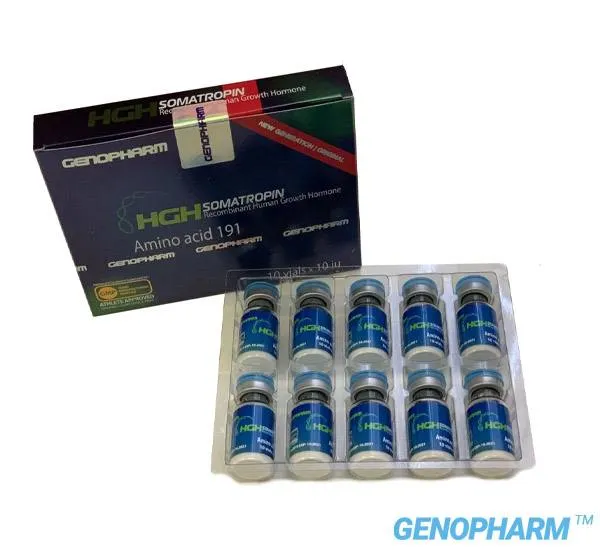
Peptide / Growth Hormone
Somatropin
Somatropin is a synthetic form of human growth hormone, classified as a peptide hormone that mimics the endogenous GH produced by the pituitary gland. In research and athletic contexts, it is primarily investigated for its role in body composition, tissue repair, and metabolic regulation. Unlike anabolic steroids, Somatropin does not bind to androgen receptors but acts through the IGF-1 pathway. Leading pharmaceutical brands such as Genotropin and Norditropin are commonly referenced in literature regarding its pharmacokinetics. Users typically integrate this compound into protocols aimed at enhancing recovery and lean mass preservation, though its administration requires careful dosing to avoid significant metabolic side effects. This overview provides factual data for educational purposes only.
Drug Class
Peptide / Growth Hormone
All Products
1 products
Legal status
Prescription-only medicine (Rx)
All Products — Somatropin
How Somatropin Works
Somatropin functions by binding to specific growth hormone receptors on target tissues, primarily the liver and muscle. This interaction stimulates the production of Insulin-like Growth Factor 1 (IGF-1), which mediates most of the anabolic effects of the hormone. The increase in IGF-1 promotes protein synthesis, lipolysis, and cell division. Unlike oral steroids, Somatropin is a peptide that must be administered via subcutaneous injection to survive gastrointestinal degradation. Its half-life is short, typically lasting only a few hours, which necessitates multiple daily injections or the use of long-acting analogues for consistent blood levels. The compound also influences blood glucose regulation by increasing insulin resistance, a critical factor for users managing metabolic health. Understanding this mechanism is vital for predicting how the body will respond to exogenous GH supplementation, particularly regarding water retention and glycemic control during a cycle.
Typical Research Applications
In performance research, Somatropin is frequently studied for its ability to enhance recovery and tissue repair without the androgenic side effects associated with steroids. Athletes often use it during cutting phases to preserve lean muscle mass while in a caloric deficit, leveraging its lipolytic properties to reduce subcutaneous fat. It is also investigated for its potential to improve sleep quality and joint health, which can support higher training volumes. Some protocols stack Somatropin with insulin to amplify IGF-1 production, although this increases the risk of hypoglycemia. For strength athletes, the focus is often on accelerating recovery from intense resistance training sessions. It is important to note that Somatropin is not a primary driver of raw strength gains but rather a support compound that optimizes the body's anabolic environment. Research contexts typically exclude its use for rapid weight gain, as its effects are gradual and subtle compared to other performance-enhancing compounds.
Dosage Ranges and Cycle Length
Standard research protocols for Somatropin typically range from 2 to 4 IU per day for intermediate users, while advanced athletes may use up to 6-8 IU daily. Doses above 10 IU are generally considered excessive and significantly increase the risk of insulin resistance and fluid retention. The compound is usually administered in two to three divided doses throughout the day to maintain stable plasma levels, with one dose often taken before bed to align with natural GH pulses. Cycle lengths for Somatropin are often longer than those for anabolic steroids, commonly ranging from 3 to 6 months. Shorter cycles are less effective due to the slow onset of IGF-1 mediated changes. Users must monitor blood glucose levels closely, as higher doses can impair insulin sensitivity. Tapering is not strictly required for Somatropin, but abrupt cessation may lead to a temporary decline in energy levels as endogenous production adjusts.
Side Effects and Safety
The primary safety concern with Somatropin is insulin resistance, which can lead to elevated blood sugar levels and, in severe cases, type 2 diabetes. Users must monitor fasting glucose and HbA1c regularly. Other common side effects include fluid retention, carpal tunnel syndrome, and joint pain, which are often dose-dependent. Acromegaly, characterized by the enlargement of hands, feet, and facial features, is a long-term risk associated with chronic overuse. Since Somatropin does not suppress the hypothalamic-pituitary-gonadal axis, Post Cycle Therapy (PCT) is not necessary. However, blood work is essential to track lipid profiles, liver enzymes, and glucose metabolism. Individuals with a history of diabetes, insulin resistance, or acromegaly should avoid this compound. Age is also a factor, as older users may experience more pronounced side effects due to decreased metabolic flexibility. Always consult a healthcare professional before initiating any peptide protocol.
Mechanism of action
Somatropin binds to growth hormone receptors, stimulating hepatic IGF-1 production to mediate anabolic effects, lipolysis, and cell proliferation in target tissues.
Questions & answers
What is the typical daily dosage for Somatropin?
Most research protocols suggest a daily intake of 2 to 4 IU for intermediate users. Advanced athletes may increase this to 6-8 IU, but doses exceeding 10 IU significantly raise the risk of insulin resistance and fluid retention without proportional benefits.
Does Somatropin suppress natural hormone production?
No, Somatropin does not suppress the hypothalamic-pituitary-gonadal axis. Therefore, Post Cycle Therapy (PCT) is not required. However, it can suppress endogenous growth hormone secretion through negative feedback, which typically recovers after discontinuation.
How long should a Somatropin cycle last?
Cycles typically range from 3 to 6 months. Shorter durations are less effective because the anabolic and lipolytic effects of IGF-1 are gradual. Users should monitor blood glucose levels regularly throughout the cycle to manage metabolic risks.
Can Somatropin be stacked with anabolic steroids?
Yes, Somatropin is often stacked with anabolic steroids to enhance recovery and preserve lean mass. However, users must be cautious of increased insulin resistance, especially if stacking with insulin. Regular blood work is essential to monitor metabolic health.
What are the most common side effects of Somatropin?
Common side effects include fluid retention, joint pain, carpal tunnel syndrome, and insulin resistance. Long-term overuse can lead to acromegaly. Monitoring blood glucose and lipid profiles is critical to mitigate these risks and ensure safe usage.
Related peptide / growth hormones
Andarine
Andarine is the active compound in 1 product in the SynthesisGear catalogue (also known as…
View →CJC-1295 with DAC
CJC-1295 with DAC is the active compound in 1 product in the SynthesisGear catalogue.…
View →Human Growth Hormone
Human Growth Hormone is the active compound in 2 products in the SynthesisGear catalogue (…
View →Ipamorelin
Ipamorelin is the active compound in 1 product in the SynthesisGear catalogue.…
View →