
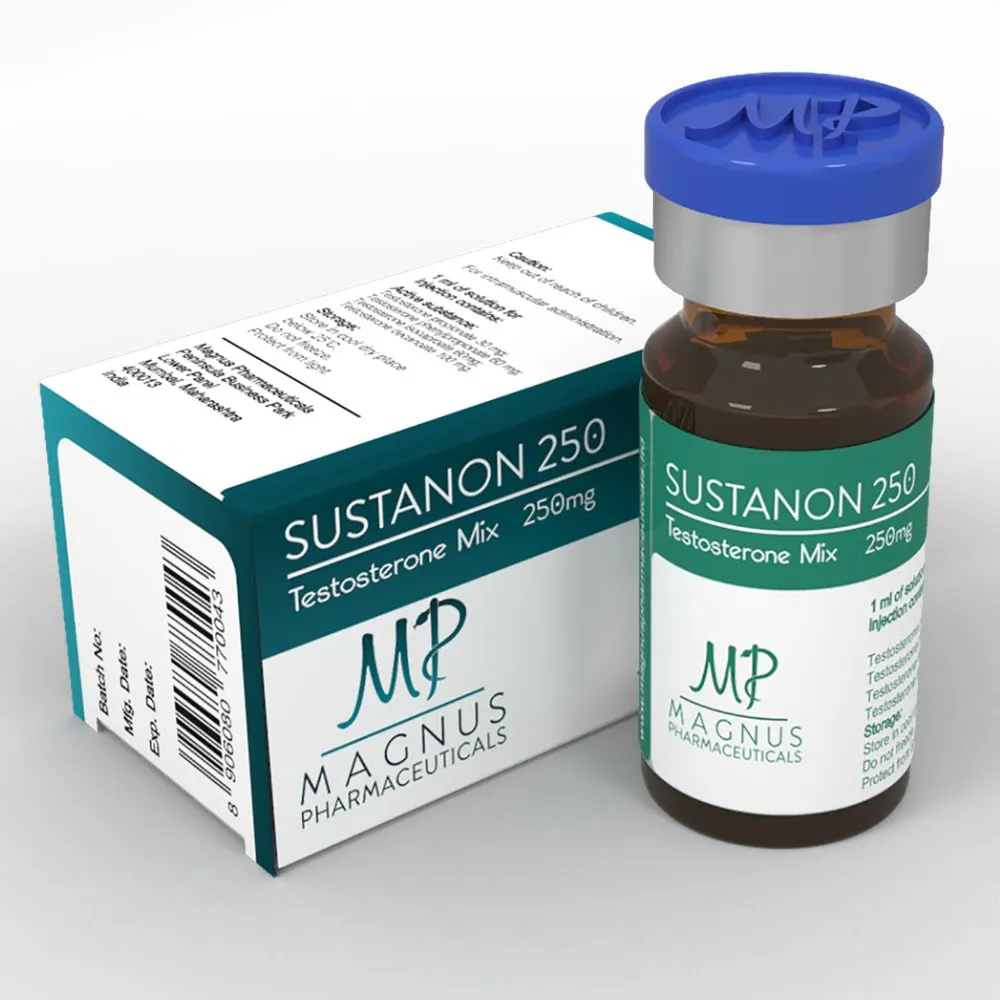
Anabolic Steroid (Oral)
Testosterone Decanoate
Testosterone Decanoate is a long-esterified form of testosterone, classified as an injectable anabolic steroid. It is primarily researched for its ability to provide sustained androgenic activity over extended periods, typically requiring dosing intervals of 2 to 4 weeks. In athletic and performance research contexts, it is often used as a foundational compound to establish a baseline of androgenic support. The compound is frequently associated with commercial blends like Sustanon, which combine it with shorter-acting esters to smooth out serum levels. Users report that the long half-life allows for less frequent administration compared to shorter esters like propionate, making it a popular choice in multi-week research protocols where consistency is prioritized over rapid onset of action.
Drug Class
Anabolic Steroid (Oral)
All Products
7 products
Legal status
Prescription-only medicine (Rx)
All Products — Testosterone Decanoate
Injectable Steroids
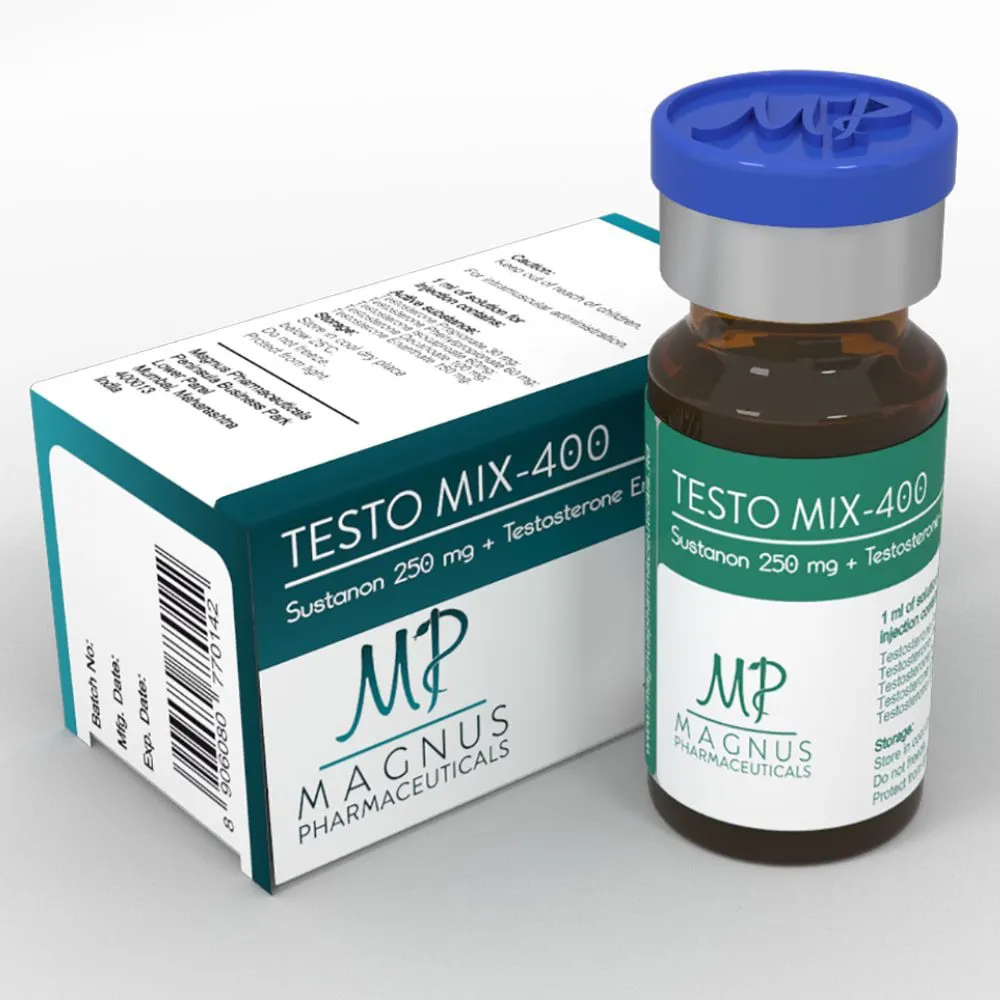
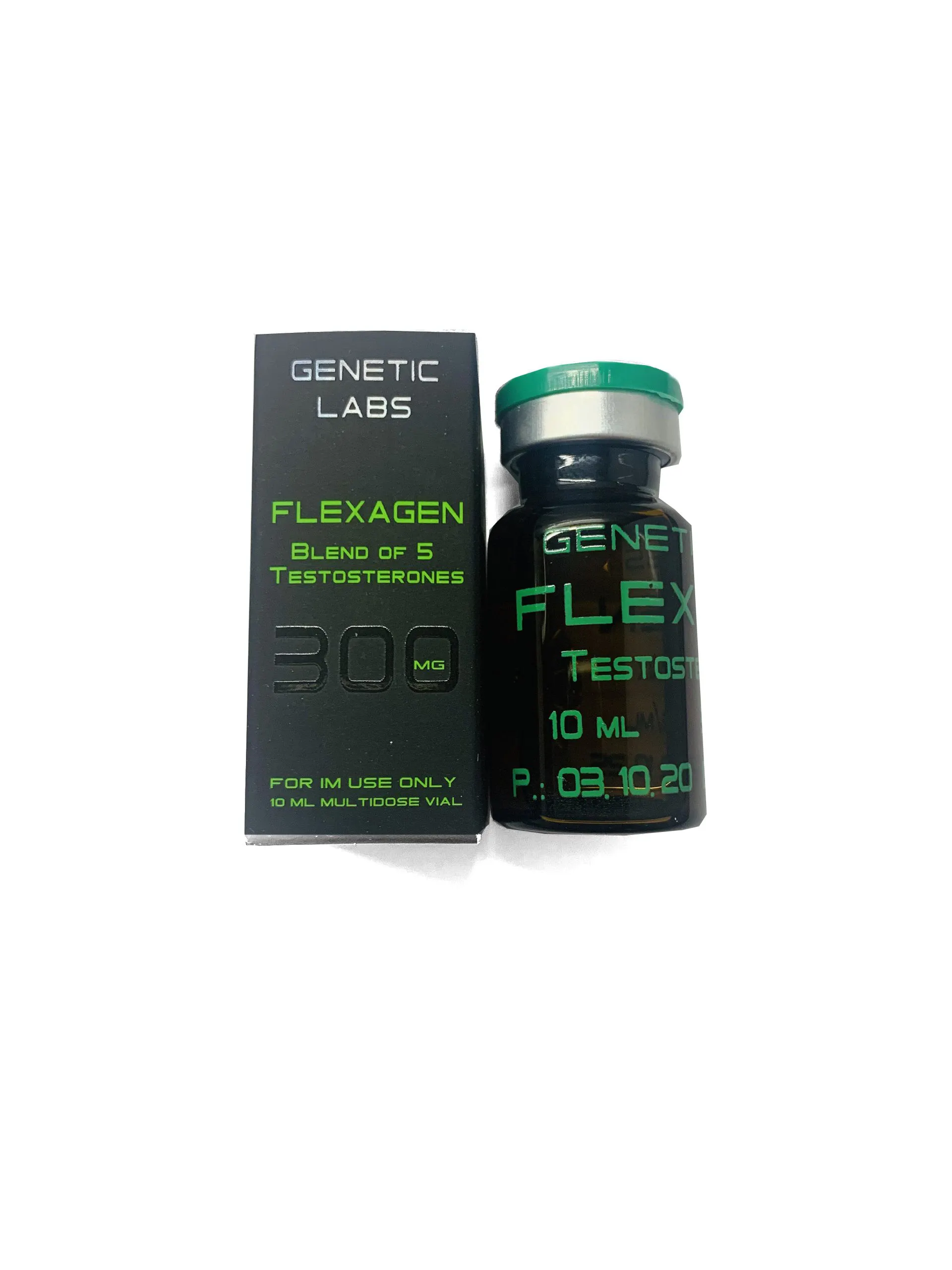
Flexagen 10ml/300mg Blend of 5 Testosterone – Genetic Labs
Genetic Labs
€64.35 €71.50
Save €7.00
Oral Steroids
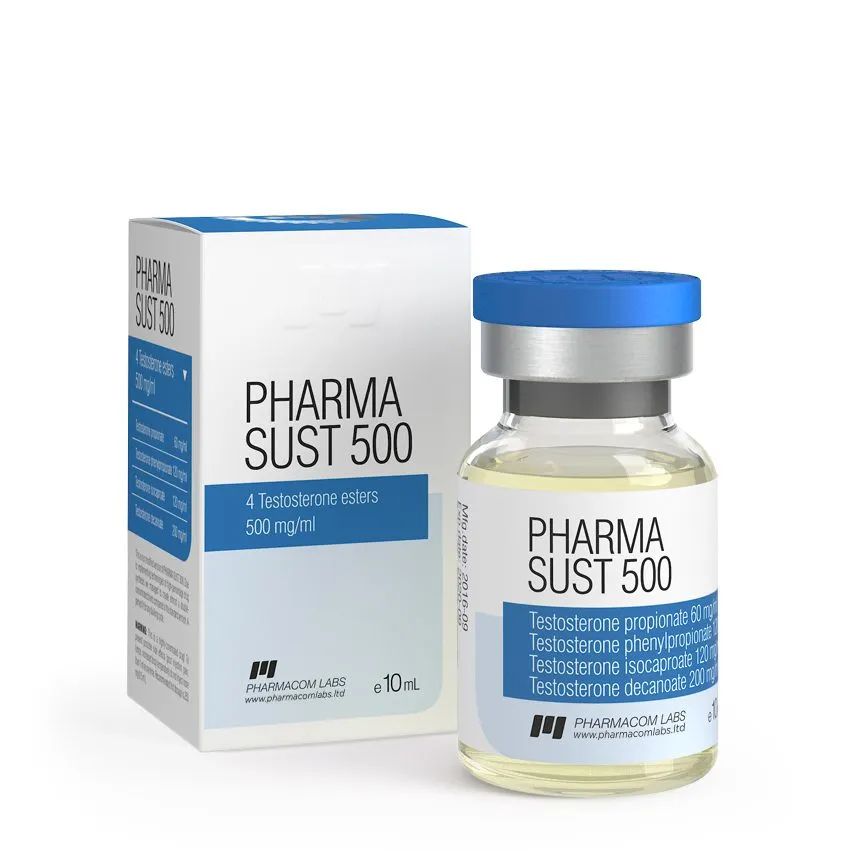
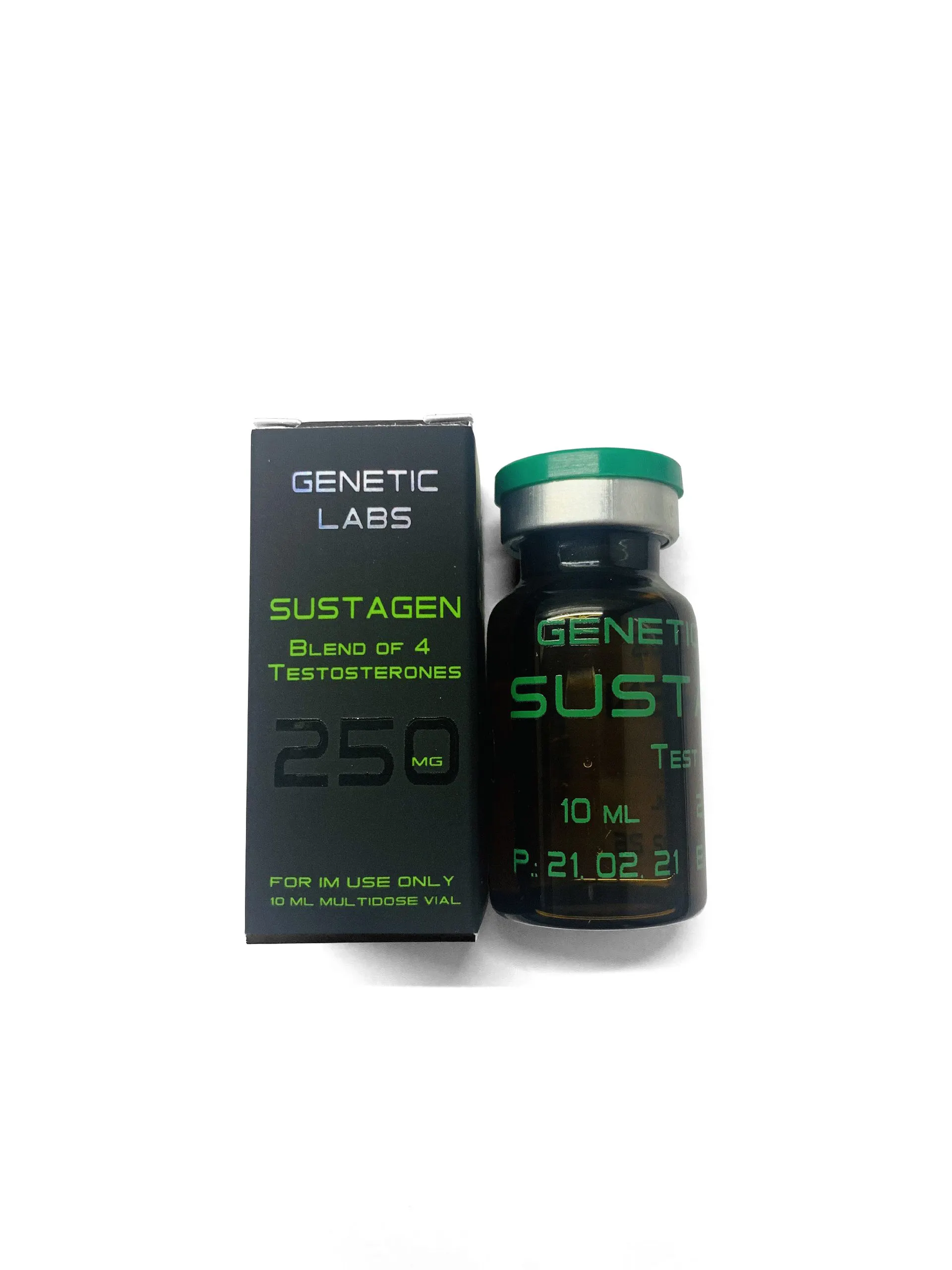
Sustagen 10ml/250mg Testosterone Blend – Genetic Labs
Genetic Labs
€59.40 €66.00
Save €7.00
How Testosterone Decanoate Works
Testosterone Decanoate functions by binding to androgen receptors in target tissues, mimicking the action of endogenous testosterone. The decanoate ester is a long-chain fatty acid attached to the testosterone molecule, which significantly delays the release of the active hormone into the bloodstream after intramuscular injection. This pharmacokinetic profile results in a slow, steady release of testosterone over several weeks rather than days. Because the ester is hydrolyzed by esterases in the blood, the rate of release is determined by the length of the ester chain. This mechanism leads to a prolonged half-life, estimated at approximately 25 days for the decanoate form. Consequently, serum testosterone levels remain elevated for a longer duration, reducing the peaks and troughs associated with shorter-acting esters. This stability is often cited in research literature as a factor in maintaining consistent androgenic signaling throughout the cycle.
Typical Research Applications
In research settings, Testosterone Decanoate is commonly utilized as a base compound in both bulking and recomposition protocols. Its long half-life makes it suitable for cycles where frequent injections are impractical or undesirable. Athletes typically run this compound as a monotherapy or as part of a stack with other anabolic agents to enhance overall performance. It is frequently used in the context of Testosterone Replacement Therapy (TRT) research to evaluate long-term androgenic effects. Due to its slow onset, it is less often used for rapid, short-term performance spikes but is valued for its ability to maintain a stable anabolic environment over months. Users report that it pairs well with compounds that have shorter half-lives to create a balanced release profile. It is also studied for its effects on nitrogen retention and protein synthesis in controlled environments.
Dosage Ranges + Cycle Length
Dosage protocols for Testosterone Decanoate vary significantly based on the research objective. For TRT-level research, doses typically range from 100 mg to 200 mg every 2 to 4 weeks. In performance-enhancing contexts, athletes commonly use doses between 300 mg and 600 mg per week, often split into multiple injections to manage peaks. A standard cycle length for research purposes is 12 to 16 weeks. Due to the long half-life, it is critical to account for the residual hormone after the last injection, which can persist for several weeks. Users report that dosing every 7 to 10 days is common in higher-dose protocols to maintain stable serum levels. It is important to note that mixing esters, as seen in blends like Sustanon, can complicate dosage calculations. Always verify the concentration of the specific product being used, as concentrations can vary between manufacturers.
Side Effects + Safety Considerations
Like all exogenous testosterone, Testosterone Decanoate carries a risk of androgenic side effects, including acne, hair loss, and increased aggression. One significant safety consideration is the long half-life, which means that side effects or adverse reactions can persist for weeks after the last injection. This makes it difficult to rapidly clear the compound from the system in case of an emergency. Hepatotoxicity is generally low for injectable steroids, but users should still monitor liver enzymes. Cardiovascular risks, including changes in lipid profiles and red blood cell count, are also documented. Post-Cycle Therapy (PCT) is essential after any cycle exceeding 8-10 weeks to restore natural testosterone production. Regular blood work is recommended to monitor hematocrit, lipid panels, and liver function. Individuals under 21 or with pre-existing cardiovascular conditions are typically advised against using this compound for research purposes.
Mechanism of action
Testosterone Decanoate binds to androgen receptors, with its long ester chain slowing hydrolysis to extend the half-life and provide sustained androgenic activity over weeks.
Questions & answers
How does Testosterone Decanoate compare to Cypionate?
Testosterone Decanoate has a slightly longer half-life than Cypionate, requiring less frequent injections. While Cypionate is often dosed every 10-14 days, Decanoate can be dosed every 2-4 weeks in TRT contexts. Both are long-acting esters with similar androgenic profiles, but Decanoate is less commonly available in pure form, often found in blends.
What is the optimal injection frequency for Decanoate?
For TRT research, injections every 2 to 4 weeks are common. In performance protocols, users often inject every 7 to 10 days to maintain stable serum levels. The long half-life allows for flexibility, but consistent timing is crucial to avoid significant peaks and troughs in testosterone levels.
Can Testosterone Decanoate be used for cutting?
Testosterone Decanoate is not typically the first choice for cutting due to its long half-life and potential for water retention. However, it can be used in cutting cycles when combined with other compounds. Its primary role is to maintain anabolic support and prevent muscle loss during caloric deficits, rather than providing rapid fat loss.
Is PCT necessary after a Decanoate cycle?
Yes, Post-Cycle Therapy is essential after any cycle of exogenous testosterone, including Decanoate. The long half-life means that natural production may be suppressed for several weeks after the last injection. PCT helps restore the hypothalamic-pituitary-gonadal axis and prevents long-term hormonal imbalance.
What blood work is recommended during use?
Regular blood work is recommended to monitor hematocrit, lipid profiles, liver enzymes, and testosterone levels. Hematocrit can rise significantly with testosterone use, increasing the risk of blood clots. Lipid changes, particularly decreased HDL, are also common. Monitoring these markers helps manage cardiovascular and metabolic risks associated with the compound.
Related anabolic steroid (oral)s
17α‑Methyl‑dihydrotestosterone
17α‑Methyl‑dihydrotestosterone is the active compound in 1 product in the SynthesisGear ca…
View →4‑Chlorodehydromethyl Testosterone
4‑Chlorodehydromethyl Testosterone is the active compound in 2 products in the SynthesisGe…
View →Anadrol
Anadrol is the active compound in 2 products in the SynthesisGear catalogue (also known as…
View →Anavar
Anavar is the active compound in 3 products in the SynthesisGear catalogue (also known as …
View →