
Anabolic Steroid (Oral)
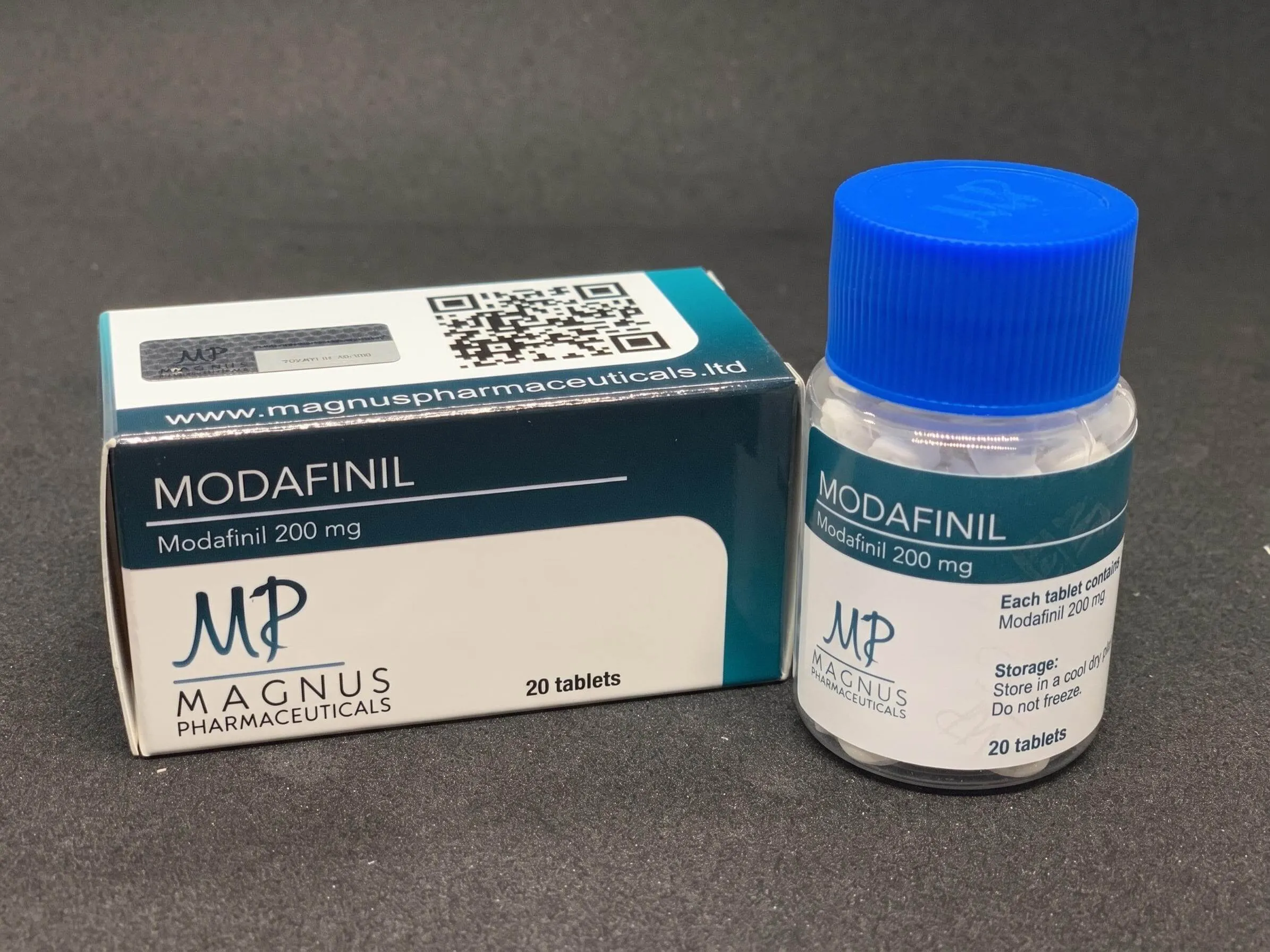
Modafinil
Modafinil is a wakefulness-promoting agent primarily utilized in research contexts for cognitive enhancement and fatigue management. While often miscategorized in broad supplement databases as an Anabolic Steroid (Oral), it is pharmacologically distinct, acting as a histamine and dopamine reuptake inhibitor rather than a steroid hormone. In athletic and performance research, users typically employ Modafinil to mitigate sleep deprivation effects, enhance focus during training, or manage the cognitive fog associated with high-volume lifting schedules. Leading brand names include Provigil and Nuvigil. This compound is not an anabolic agent and does not influence muscle protein synthesis or androgen receptor activity. It is strictly for research and educational purposes, serving as a tool for studying alertness and cognitive endurance in high-performance environments.
Drug Class
Anabolic Steroid (Oral)
All Products
1 products
Legal status
Research compound (not FDA approved)
All Products — Modafinil
Pharmacological Mechanism of Action
Modafinil functions primarily by inhibiting the dopamine transporter (DAT), thereby increasing extracellular dopamine levels in the prefrontal cortex. Unlike traditional stimulants, it exhibits a lower affinity for the DAT compared to amphetamines, resulting in a more subtle dopaminergic effect. Additionally, it acts as a weak inhibitor of the serotonin transporter and influences orexin (hypocretin) neurons in the hypothalamus, which regulate the sleep-wake cycle. This dual mechanism promotes wakefulness without the pronounced sympathetic nervous system activation seen with amphetamines. The result is a state of alertness that users report as 'clean' or 'focused', rather than jittery. It does not bind to androgen or estrogen receptors, confirming its non-steroidal nature. The half-life is approximately 12-15 hours, allowing for sustained effects throughout the day. Understanding this mechanism is crucial for researchers to distinguish it from true anabolic compounds, as it provides no direct physiological advantage in muscle hypertrophy or strength gains, but rather supports the cognitive aspects of training consistency and recovery management.
Research Applications in Athletics
In performance research, Modafinil is not used for bulking or cutting directly, as it lacks anabolic properties. Instead, it is applied in contexts where cognitive fatigue is a limiting factor. Athletes and researchers may use it to maintain high levels of focus during extended training sessions or to counteract the cognitive dulling effects of other substances. It is frequently cited in protocols involving sleep restriction studies, where the goal is to assess performance under fatigue. Users report improved mental clarity and reduced perception of effort, which can indirectly support training consistency. It is not a post-cycle therapy (PCT) compound, nor does it interact with steroid metabolism. Its primary role is as a cognitive aid, helping researchers and athletes maintain the mental discipline required for strict adherence to training and nutrition protocols. It is particularly relevant in studies examining the intersection of sleep debt and physical performance, providing a pharmacological tool to isolate cognitive variables from physical fatigue.
Dosage Ranges and Cycle Length
Standard research dosages for Modafinil typically range from 100 mg to 200 mg per day. Doses above 200 mg are generally not recommended due to diminishing returns and increased side effect risk. The compound is usually taken in the morning to align with the circadian rhythm and avoid sleep disruption. A common protocol involves a single daily dose, with no need for cycling in the traditional anabolic sense, although some users take breaks every few weeks to assess baseline cognitive function. There is no established 'cycle length' for performance enhancement; usage is often intermittent or continuous depending on the specific research question. Intermediate users may start at 100 mg to assess tolerance, while advanced users may utilize 200 mg for maximum wakefulness. It is important to note that Modafinil is not a controlled substance in many jurisdictions, but its use in sports is governed by specific anti-doping regulations. Always verify local legal status and competition rules before use.
Side Effects and Safety Notes
Common side effects of Modafinil include headache, nausea, nervousness, and insomnia. These effects are generally dose-dependent and may subside with continued use or dose adjustment. More serious, though rare, adverse events include skin reactions, cardiovascular issues, and psychiatric symptoms such as anxiety or mood changes. Users should monitor blood pressure and heart rate, as the compound can cause mild elevations. It is not hepatotoxic and does not require the same blood work monitoring as anabolic steroids, but baseline cardiovascular health should be established. There is no need for PCT, as it does not suppress the hypothalamic-pituitary-gonadal axis. However, it can interact with other medications, particularly those metabolized by CYP3A4. Users should be aware of potential interactions with oral contraceptives and other stimulants. As with all research compounds, individual responses vary, and safety data is largely derived from clinical trials for narcolepsy and sleep disorders rather than athletic performance.
Mechanism of action
Modafinil promotes wakefulness by inhibiting the dopamine transporter and modulating orexin neurons, enhancing alertness without significant anabolic or androgenic activity.
Questions & answers
Is Modafinil an anabolic steroid?
No, Modafinil is not an anabolic steroid. It is a wakefulness-promoting agent that affects dopamine and histamine pathways. It does not bind to androgen receptors or promote muscle protein synthesis.
What is the standard dosage for research?
The typical research dosage is 100 mg to 200 mg per day. Most protocols utilize a single morning dose to maximize wakefulness without disrupting sleep cycles.
Does Modafinil require PCT?
No, Post Cycle Therapy is not required. Modafinil does not suppress natural hormone production or affect the endocrine system, so there is no need for recovery protocols.
Can Modafinil be used for cutting?
Modafinil does not directly aid in fat loss. It may indirectly support cutting by helping users maintain focus and discipline during caloric deficits, but it has no metabolic fat-burning properties.
What are the main side effects?
Common side effects include headache, nausea, and insomnia. More serious risks include cardiovascular strain and psychiatric symptoms. Users should monitor blood pressure and consult a physician if adverse effects occur.
Related anabolic steroid (oral)s
17α‑Methyl‑dihydrotestosterone
17α‑Methyl‑dihydrotestosterone is the active compound in 1 product in the SynthesisGear ca…
View →4‑Chlorodehydromethyl Testosterone
4‑Chlorodehydromethyl Testosterone is the active compound in 2 products in the SynthesisGe…
View →Anadrol
Anadrol is the active compound in 2 products in the SynthesisGear catalogue (also known as…
View →Anavar
Anavar is the active compound in 3 products in the SynthesisGear catalogue (also known as …
View →