
Fat Burner / Thermogenic
Methenolone
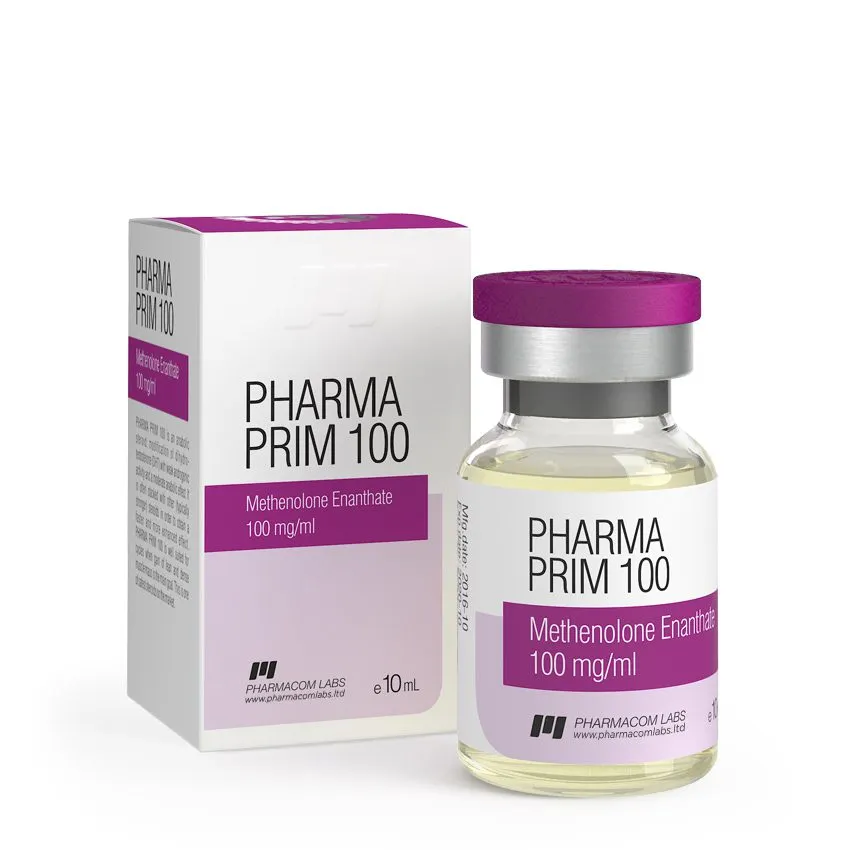
Methenolone, commonly known in research circles as Primobolan or Anabolen, is a DHT-derived anabolic steroid available primarily in injectable and oral forms. It belongs to the 19-nortestosterone class, distinguished by a methyl group at the alpha position of the D ring. Athletes and researchers typically select this compound for its reputation as a mild agent that supports lean mass accretion without significant water retention. The injectable form is often preferred for its consistent bioavailability and reduced hepatic load compared to oral variants. This profile makes it a frequent subject in studies regarding muscle preservation during caloric deficits. Users report that it integrates well into various training phases, though its subtle nature requires patience and strict adherence to protocol for observable results.
Drug Class
Fat Burner / Thermogenic
All Products
1 products
Legal status
Research compound (not FDA approved)
All Products — Methenolone
How Methenolone Works
Methenolone functions by binding to androgen receptors in skeletal muscle tissue, initiating a cascade of protein synthesis. As a derivative of dihydrotestosterone, it possesses a high affinity for these receptors, promoting nitrogen retention and cellular growth. The structural modification at the alpha position of the D ring enhances its anabolic activity while reducing androgenic side effects compared to testosterone. This results in a higher anabolic-to-androgenic ratio, which is why users often describe the effects as clean and dry. The compound does not aromatize into estrogen, eliminating the risk of water retention or gynecomastia. Instead, it promotes a dense, vascular look that is highly valued in competitive contexts. The mechanism is linear and predictable, making it a staple in research protocols focused on structural muscle growth rather than rapid mass accumulation. Its pharmacokinetics allow for steady-state levels when administered at consistent intervals.
Typical Research Applications
In research and athletic settings, Methenolone is predominantly utilized during cutting phases to preserve lean tissue while in a caloric deficit. Its lack of estrogenic activity makes it ideal for maintaining a low-body-fat aesthetic without bloating. Many athletes incorporate it into recomposition cycles to simultaneously shed fat and build muscle, although the rate of gain is slower than with more potent compounds. It is also frequently stacked with other agents to enhance overall efficacy without introducing significant androgenic side effects. The injectable form is preferred for long-term cycles due to its stability. Users report that it supports strength endurance and recovery, allowing for higher training volumes. It is rarely used as a standalone bulking agent due to its mild nature, but it serves as a foundational component in complex stacks. The compound’s versatility allows it to be integrated into both beginner and advanced protocols, provided the user understands its subtle mechanism of action.
Dosage Ranges and Cycle Length
Standard research protocols for injectable Methenolone typically range from 400 mg to 600 mg per week. Doses below 400 mg may yield minimal observable effects, while exceeding 600 mg increases the risk of side effects without proportional gains. The cycle length usually spans 8 to 12 weeks, aligning with the compound’s half-life and the time required for lean mass adaptation. Intermediate users often start at 400 mg/week to assess tolerance before titrating up. Advanced users may push towards 800 mg/week, though this is less common due to the diminishing returns and increased cost. The injectable form is administered two to three times per week to maintain stable blood levels. It is crucial to note that oral forms require higher doses due to first-pass metabolism, but the injectable remains the standard for research purposes. Consistency in administration is key to achieving the desired pharmacological outcome.
Side Effects and Safety
While Methenolone is considered mild, it is not side-effect free. Common issues include acne, hair loss, and increased aggression, particularly in genetically predisposed individuals. Because it is a DHT derivative, it can exacerbate androgenic side effects such as scalp hair thinning. Hepatotoxicity is minimal with the injectable form, but blood work is still recommended to monitor lipid profiles, as anabolic steroids can adversely affect cholesterol levels. Post Cycle Therapy is generally recommended after cycles exceeding 8 weeks to restore natural testosterone production. Users should monitor blood pressure and lipid markers throughout the cycle. The absence of estrogenic side effects simplifies management, but androgenic effects require vigilance. Safety protocols include regular blood work to track hematocrit and liver enzymes, ensuring that the body’s homeostasis is maintained during and after the research period.
Mechanism of action
Methenolone binds to androgen receptors to stimulate protein synthesis and nitrogen retention, promoting lean muscle growth without aromatization or significant water retention.
Questions & answers
Is Methenolone suitable for beginner research protocols?
Yes, due to its mild nature and low side-effect profile, Methenolone is often recommended for beginners. It allows users to experience anabolic effects without the harsh androgenic or estrogenic issues associated with more potent compounds, making it a good entry point for understanding steroid pharmacology.
How does Methenolone compare to Testosterone in terms of gains?
Methenolone is significantly milder than Testosterone. While Testosterone provides rapid mass and strength gains, Methenolone offers slower, leaner growth with less water retention. It is often used to complement Testosterone in stacks to enhance leanness and dryness without adding excessive bulk.
Does Methenolone cause water retention or bloating?
No, Methenolone does not aromatize into estrogen, which is the primary cause of water retention. Users typically report a dry, hard look with improved vascularity. This lack of bloating is a key reason it is favored during cutting phases and by athletes who prioritize aesthetics.
What is the recommended cycle length for Methenolone?
Most research protocols suggest a cycle length of 8 to 12 weeks. This duration allows for sufficient time to observe the compound’s effects on lean mass and strength. Longer cycles are possible but may increase the risk of androgenic side effects and require careful monitoring of blood markers.
Is Post Cycle Therapy necessary after using Methenolone?
Yes, Post Cycle Therapy is recommended after any cycle of anabolic steroids, including Methenolone, to help restore natural testosterone production. While Methenolone suppresses the HPTA axis less severely than other compounds, PCT ensures a smoother recovery and helps maintain the gains achieved during the cycle.
Related fat burner / thermogenics
Cardarine
Cardarine is the active compound in 1 product in the SynthesisGear catalogue (also known a…
View →Clenbuterol
Clenbuterol is the active compound in 5 products in the SynthesisGear catalogue (also know…
View →Clenbuterol Hydrochloride
Clenbuterol Hydrochloride is the active compound in 1 product in the SynthesisGear catalog…
View →drostanolone
drostanolone is the active compound in 1 product in the SynthesisGear catalogue (also know…
View →