
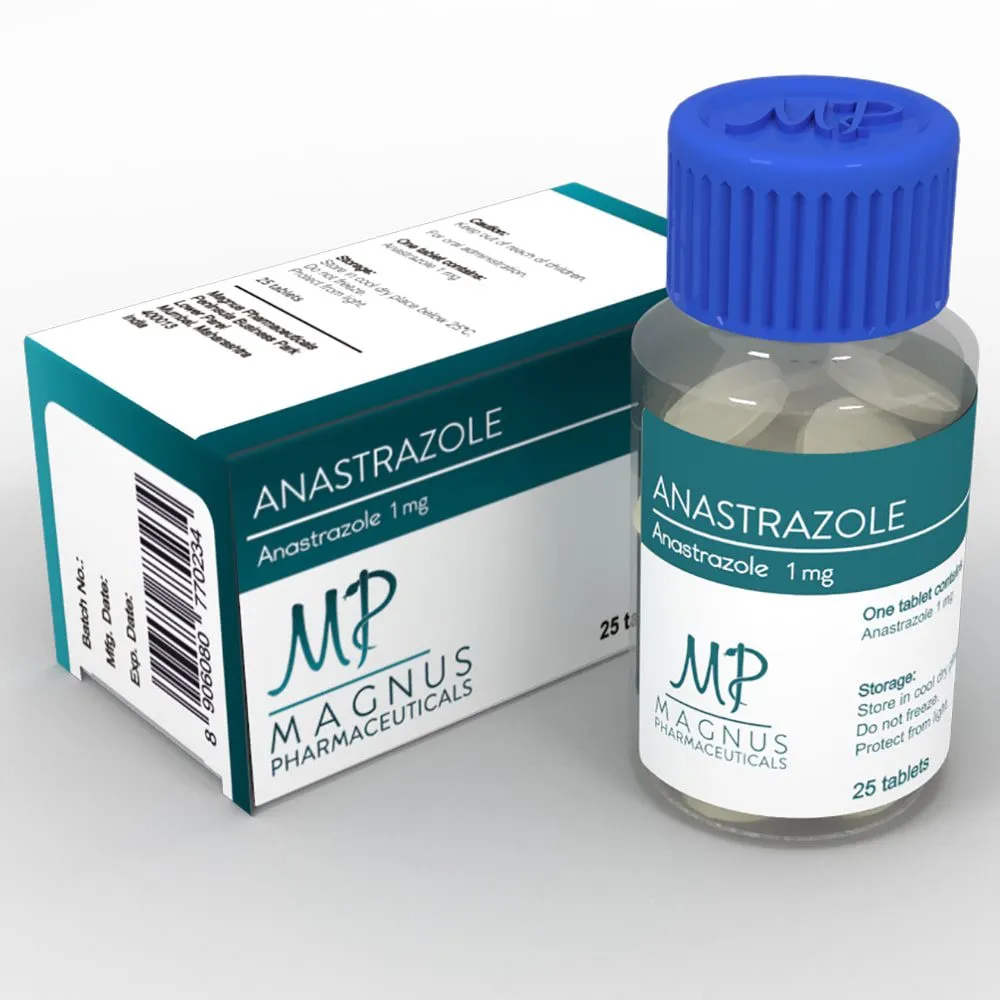
Cycle Package
Anastrozole
Anastrozole is a potent aromatase inhibitor (AI) widely utilized in performance research to manage estrogenic side effects associated with androgenic compounds. Unlike selective estrogen receptor modulators (SERMs), Anastrozole works by blocking the conversion of androgens into estrogens, thereby lowering serum estradiol levels. It is commonly available under brand names such as Arimidex and Anastri. In athletic contexts, it serves as a critical adjunct during cycles involving aromatizable steroids, helping to mitigate water retention, gynecomastia, and lipid profile disturbances. For research and educational purposes, understanding its pharmacokinetics is essential for maintaining hormonal balance. Users typically integrate it into protocols to control estrogen rebound, ensuring that estrogen levels remain within a physiological range rather than being suppressed entirely, which is vital for long-term health and performance consistency.
Drug Class
Cycle Package
All Products
6 products
Legal status
Prescription-only medicine (Rx)
All Products — Anastrozole
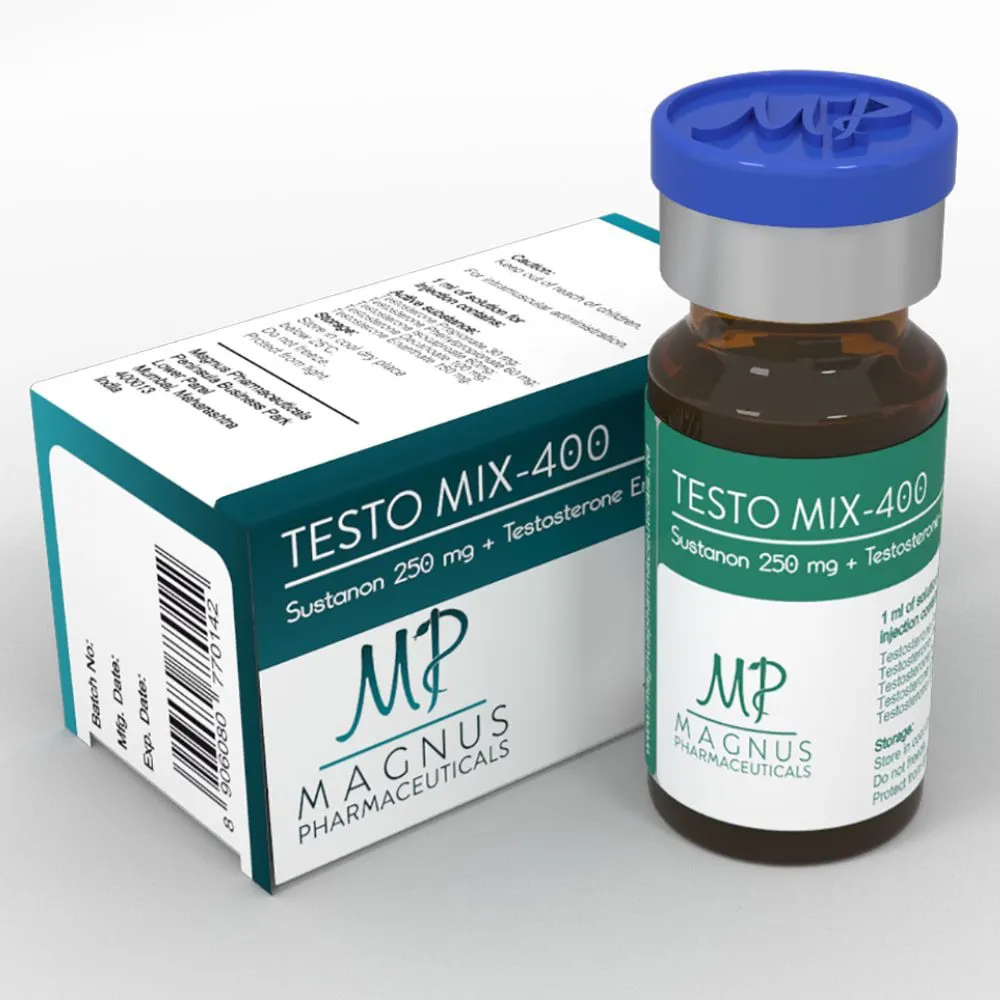
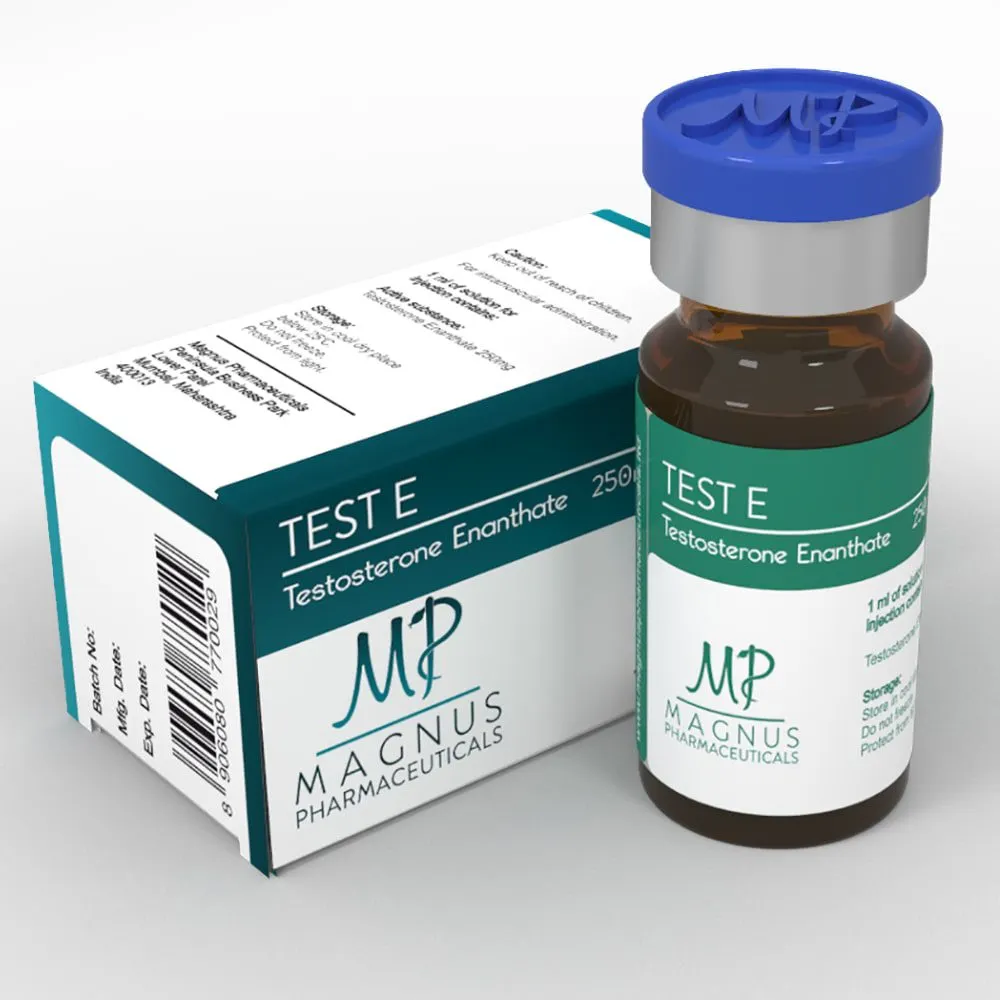
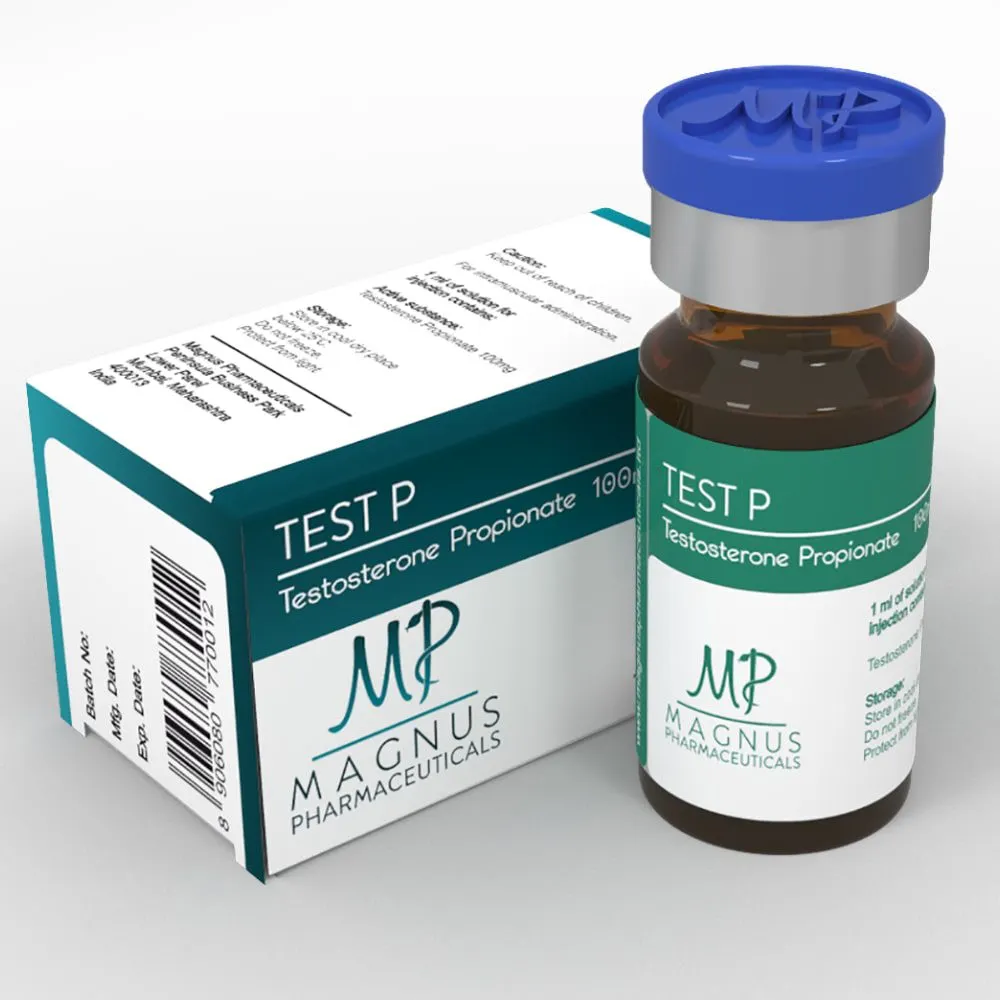
How Anastrozole Works Mechanistically
Anastrozole acts as a non-steroidal aromatase inhibitor that binds irreversibly to the heme group of the aromatase enzyme. This enzyme is responsible for the final step in estrogen biosynthesis, converting androgens like testosterone and androstenedione into estradiol and estrone. By inhibiting this pathway, Anastrozole significantly reduces circulating estrogen levels. Unlike SERMs such as tamoxifen, which block estrogen receptors, Anastrozole prevents estrogen production at the source. This distinction is crucial for researchers, as it directly impacts the negative feedback loop on the hypothalamic-pituitary-gonadal axis. When estrogen drops, the body may increase luteinizing hormone (LH) and follicle-stimulating hormone (FSH) secretion, potentially boosting natural testosterone production. However, excessive inhibition can lead to low estrogen states, causing joint pain, mood disturbances, and lipid abnormalities. Therefore, the goal in research settings is typically to modulate, not eliminate, estrogen activity. Users report that precise dosing is required to avoid the adverse effects of both high and low estrogen states, making it a tool that demands careful monitoring and adjustment based on individual biofeedback and blood work results.
Typical Research Applications
In performance research, Anastrozole is primarily employed during anabolic steroid cycles to manage estrogenic side effects. It is frequently added when users experience signs of high estrogen, such as excessive water retention, breast tenderness, or early signs of gynecomastia. It is less commonly used as a standalone agent for performance enhancement but serves as a supportive compound. Some researchers use it in post-cycle therapy (PCT) to lower estrogen levels that may remain elevated after a cycle, although SERMs are often preferred for this phase to avoid suppressing estrogen too much. Anastrozole is particularly relevant when cycling high-aromatizing compounds like Testosterone Enanthate or Deca-Durabolin. It is not typically used during bulking phases where high estrogen is tolerated for joint lubrication and water retention, but becomes more common in cutting phases where a leaner physique is the goal. Users report that it helps maintain a dry, hard appearance by reducing subcutaneous water. However, it is generally avoided in women due to the risk of suppressing estrogen to critically low levels, which can have severe health implications. The application is strictly adjunctive, aimed at optimizing the ratio of androgens to estrogens for desired aesthetic and performance outcomes without compromising long-term endocrine health.
Dosage Ranges and Cycle Length
Standard research protocols for Anastrozole typically range from 0.25 mg to 1 mg per day, depending on the severity of estrogenic symptoms and the specific compounds being cycled. For intermediate users, a starting dose of 0.25 mg every other day is common, allowing for fine-tuning of estrogen levels. Advanced users may utilize 0.5 mg to 1 mg daily, particularly when cycling high-aromatizing steroids at supraphysiological doses. It is crucial to note that dosing should be guided by blood work, specifically estradiol levels, rather than symptom observation alone. A typical cycle length matches the duration of the anabolic steroid cycle, often 8 to 12 weeks. Some users adopt an on-demand approach, taking Anastrozole only when symptoms of high estrogen appear, while others use a scheduled dosing protocol, such as 0.5 mg every other day. It is generally recommended to stop Anastrozole 1-2 weeks before the end of the main cycle to allow estrogen levels to normalize before PCT. Excessive dosing, such as 1 mg daily for extended periods, is discouraged due to the risk of lipid toxicity and joint issues. Users report that lower, more frequent doses often provide better control than higher, less frequent doses, minimizing the risk of estrogen rebound.
Side Effects and Safety Considerations
While Anastrozole is generally well-tolerated, its primary side effect profile is related to estrogen suppression. Common issues include joint pain, dryness, and decreased libido, which are indicative of low estrogen levels. Long-term use at high doses may negatively impact lipid profiles, specifically increasing LDL cholesterol and decreasing HDL cholesterol, posing cardiovascular risks. Users report that bone density may be affected if estrogen is suppressed for prolonged periods, although this is more relevant in long-term, high-dose usage. It is essential to monitor blood lipids, estradiol, and testosterone levels regularly during use. Anastrozole is not recommended for women due to the risk of severe estrogen deficiency. For men, it should be used cautiously, as complete estrogen suppression is rarely beneficial and can lead to significant health issues. PCT considerations include ensuring that estrogen is not too low when transitioning to SERMs, as this can complicate the recovery of natural testosterone production. Always consult with a healthcare professional and rely on comprehensive blood work to guide dosing decisions. Safety is paramount, and users should be prepared to adjust or discontinue use if adverse effects such as severe mood changes or joint discomfort occur.
Mechanism of action
Anastrozole is a non-steroidal aromatase inhibitor that irreversibly binds to the heme group of the aromatase enzyme, thereby blocking the conversion of androgens into estrogens and reducing circulating estradiol levels.
Questions & answers
Can Anastrozole be used for male infertility?
Anastrozole is sometimes used off-label to treat male infertility by lowering estrogen levels, which can increase LH and FSH, thereby stimulating testosterone production. However, this application requires strict medical supervision and blood work monitoring. It is not a first-line treatment and should only be considered under professional guidance to avoid hormonal imbalances.
What is the difference between Anastrozole and Letrozole?
Both are aromatase inhibitors, but Letrozole is generally considered more potent. Letrozole may suppress estrogen more aggressively, making it harder to titrate. Anastrozole is often preferred for its smoother dosing profile and easier adjustment, allowing for better control of estrogen levels without the risk of over-suppression.
Should I take Anastrozole during PCT?
Anastrozole is generally not recommended during standard PCT, as SERMs like Tamoxifen or Clomiphene are preferred to stimulate natural testosterone production without suppressing estrogen too much. Using Anastrozole during PCT can lower estrogen to levels that hinder recovery. It may be used briefly if estrogen remains dangerously high, but this is rare.
Does Anastrozole affect libido and sexual function?
Yes, Anastrozole can negatively impact libido and sexual function by suppressing estrogen, which plays a role in sexual desire and erectile function. Users report decreased libido and difficulty achieving erections if estrogen levels drop too low. Monitoring and adjusting doses are crucial to maintain sexual health while managing estrogenic side effects.
Is Anastrozole safe for long-term use?
Long-term use of Anastrozole is associated with risks such as lipid abnormalities, bone density loss, and joint pain. It is not intended for indefinite use. Safety depends on regular blood work monitoring to ensure estrogen levels remain within a healthy range. Discontinuation is advised if adverse effects arise, and it should always be used under professional supervision.
Related cycle packages
4-Hydroxyandrosterone
4-Hydroxyandrosterone is the active compound in 1 product in the SynthesisGear catalogue (…
View →Ashwagandha
Ashwagandha is the active compound in 1 product in the SynthesisGear catalogue (also known…
View →Liothyronine Sodium
Liothyronine Sodium is the active compound in 1 product in the SynthesisGear catalogue (al…
View →