
Post-Cycle Therapy
Human Chorionic Gonadotropin
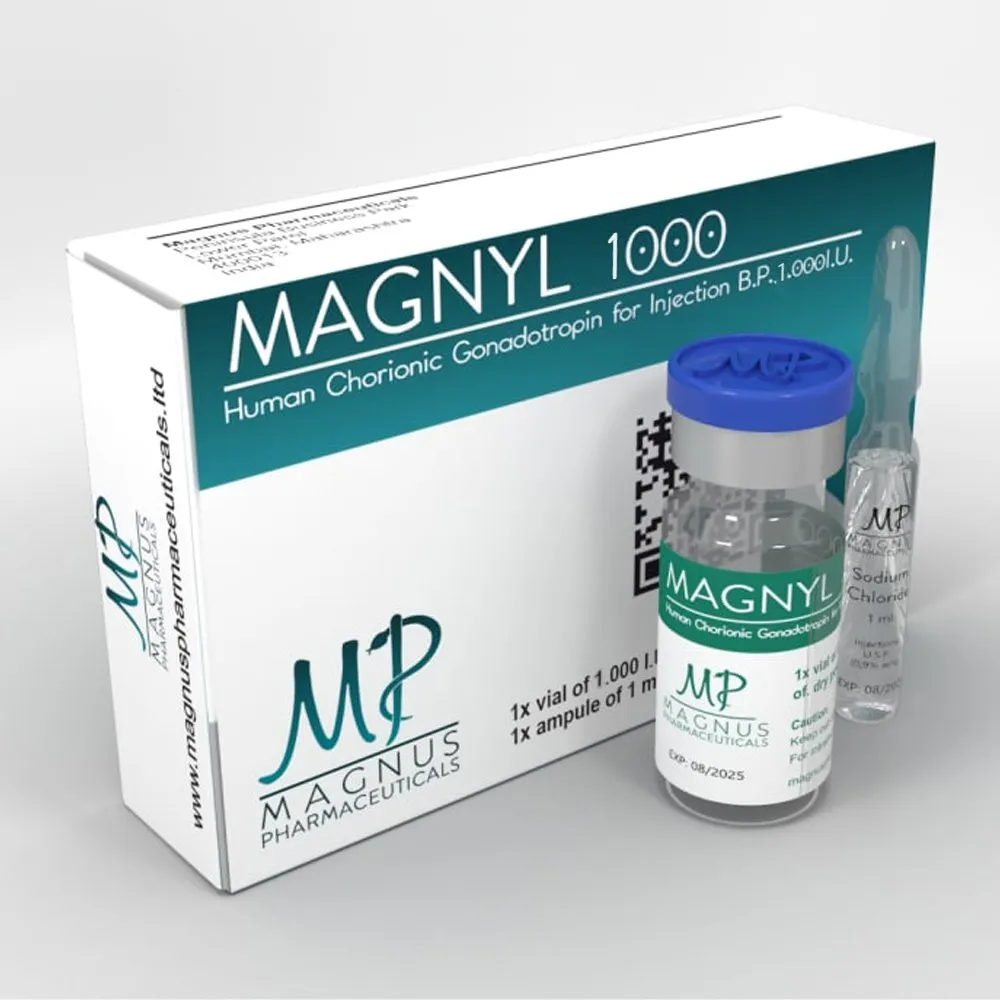
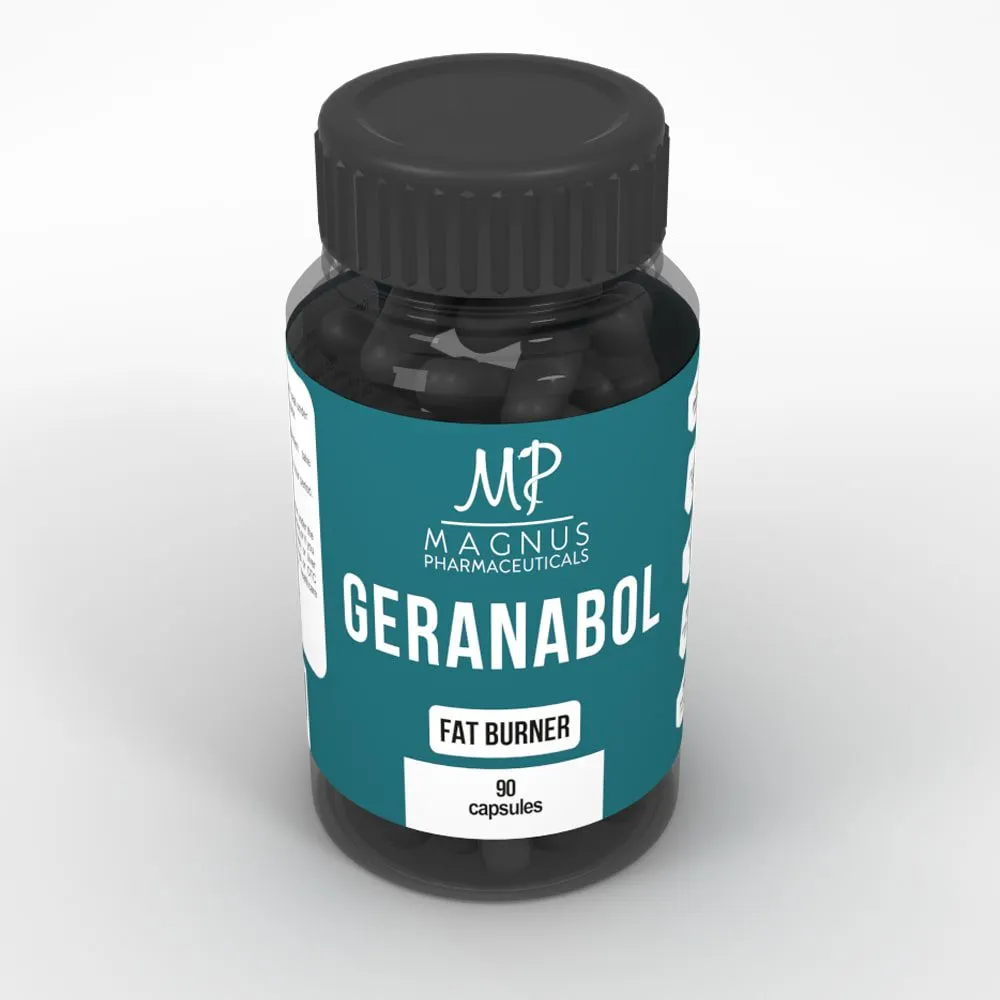
Human Chorionic Gonadotropin (hCG) is a glycoprotein hormone primarily utilized in Post-Cycle Therapy (PCT) and performance research contexts. While naturally produced during pregnancy, athletes and researchers use exogenous hCG to mimic luteinizing hormone (LH) signaling. This action stimulates the Leydig cells in the testes to maintain endogenous testosterone production and spermatogenesis. Common research compounds include Pregnyl and Ovidrel. For educational purposes, understanding hCG is critical for those managing hormonal suppression during anabolic cycles. It serves as a bridge to restore natural function, though it is not a standalone performance enhancer. Users must approach its use with strict adherence to safety protocols and medical monitoring to avoid long-term endocrine disruption.
Drug Class
Post-Cycle Therapy
All Products
4 products
Legal status
Prescription-only medicine (Rx)
All Products — Human Chorionic Gonadotropin
How hCG works in the body
Human Chorionic Gonadotropin functions by binding to the luteinizing hormone (LH) receptor on Leydig cells within the testes. This binding triggers the production of testosterone, effectively bypassing the hypothalamic-pituitary-gonadal (HPG) axis suppression caused by exogenous anabolic steroids. Unlike direct testosterone injections, hCG preserves the body's natural feedback loops, allowing the testes to remain active rather than atrophying. In research settings, this mechanism is valued for maintaining testicular volume and spermatogenesis during cycles. The hormone acts as a surrogate for LH, ensuring that the endocrine system continues to function at a baseline level. However, chronic high-dose use may lead to desensitization of LH receptors, potentially complicating the recovery process. Researchers typically monitor testosterone levels to ensure the dosage remains within an effective range without causing excessive estrogenic conversion or receptor downregulation.
Typical research applications
In athletic research, Human Chorionic Gonadotropin is predominantly employed during active anabolic cycles to mitigate testicular atrophy and maintain natural testosterone output. It is rarely used as a standalone performance enhancer due to its lack of direct anabolic potency compared to synthetic steroids. Instead, it serves as a supportive agent, often integrated into protocols involving Testosterone Cypionate or other suppressive compounds. For individuals focused on fertility preservation, hCG is a standard component of research protocols to sustain spermatogenesis. Some researchers also explore its use in recomposition phases, though evidence is largely anecdotal. The primary application remains the preservation of endocrine function. Users report that incorporating hCG helps maintain energy levels and libido during cycles, reducing the crash often associated with complete HPG axis shutdown. It is crucial to note that hCG itself does not provide significant muscle mass gains; its value lies in hormonal maintenance and recovery support.
Dosage ranges and cycle length
Research protocols typically recommend hCG dosages ranging from 250 IU to 500 IU, administered two to three times per week. This schedule aims to maintain stable testosterone levels without causing excessive estrogenic side effects. For intermediate users, a common starting point is 250 IU every other day, which averages to approximately 875 IU per week. Advanced researchers may adjust this based on blood work, sometimes increasing to 500 IU twice weekly during heavy suppression. The duration of use generally mirrors the length of the anabolic cycle, tapering off only when exogenous steroids are discontinued. It is not recommended to use hCG for extended periods beyond the active cycle, as this may lead to receptor desensitization. Users should monitor estradiol levels, as hCG can increase estrogen production. A typical research protocol might involve 8 to 12 weeks of hCG use, followed by a standard PCT using SERMs like Clomid or Nolvadex to fully restore natural production.
Side effects and safety considerations
While generally well-tolerated, Human Chorionic Gonadotropin carries specific risks that require monitoring. Common side effects include gynecomastia due to increased estrogen conversion, fluid retention, and acne. Some users report injection site reactions, such as redness or swelling, particularly with higher concentrations. Long-term use without proper tapering may lead to LH receptor downregulation, making it harder for the body to resume natural testosterone production after the cycle ends. Research protocols emphasize the importance of regular blood work, including total testosterone, free testosterone, estradiol, and LH levels. Users should be at least 21 years old and have no pre-existing endocrine disorders. It is critical to combine hCG with an aromatase inhibitor if estrogenic symptoms arise. Furthermore, hCG should not be used as a standalone PCT agent; it must be followed by SERMs to stimulate the pituitary gland. Ignoring these safety measures can result in prolonged hormonal imbalance and reduced fertility.
Mechanism of action
hCG binds to luteinizing hormone receptors on Leydig cells, stimulating endogenous testosterone synthesis and preserving testicular function during exogenous androgen exposure.
Questions & answers
Can hCG be used without anabolic steroids?
While technically possible, using hCG without exogenous steroids is rare in athletic research. It is primarily designed to counteract suppression. Standalone use may lead to unnecessary estrogenic side effects and receptor desensitization without significant performance benefits. It is best reserved for cycles involving suppressive compounds.
What is the difference between hCG and Clomid?
hCG mimics LH to stimulate the testes directly, while Clomid (Clomiphene) acts on the pituitary gland to increase natural LH and FSH production. hCG is typically used during the cycle to maintain function, whereas Clomid is used post-cycle to restart the HPG axis.
Does hCG cause testicular atrophy?
No, hCG is used to prevent testicular atrophy. By stimulating the Leydig cells, it maintains testicular volume and function. Atrophy is a common side effect of exogenous steroids alone, but hCG counteracts this effect by keeping the testes active during the cycle.
How long should I use hCG in a cycle?
Research protocols typically align hCG use with the duration of the anabolic cycle, often 8 to 12 weeks. It is discontinued when the exogenous steroids are stopped, followed by a standard PCT protocol using SERMs to ensure full hormonal recovery.
Is hCG safe for long-term use?
Long-term use is not recommended due to the risk of LH receptor downregulation. This can make it difficult for the body to resume natural testosterone production. It should be used only for short-to-medium term cycles with careful monitoring and a structured tapering plan.